



Key Takeaways-
- Decentralized exchanges are gaining strong momentum as users prefer secure, transparent, and intermediary-free cryptocurrency trading platforms.
- DEX platforms offer greater control, anonymity, and security by using blockchain technology and smart contracts instead of centralized authorities.
- Building a successful decentralized exchange requires essential features like digital wallets, liquidity integration, multi-crypto support, and strong security layers.
- The cost of decentralized exchange development generally ranges between $40,000 and $80,000, depending on features, complexity, and development expertise.
Introduction
Cryptocurrencies and crypto exchanges have grown rapidly in recent years, attracting businesses, startups, and individual users alike. As decentralized crypto exchange platforms witness rising traffic, the demand for solutions that can exchange cryptocurrencies wallet securely and efficiently exchange cryptocurrencies in a wallet continues to increase. According to recent research, decentralized exchanges captured about 25 % of global spot trading volume in May 2025, with total DEX trading exceeding $410 billion, highlighting a major shift toward trustless trading platforms.
Although cryptocurrencies faced regulatory restrictions earlier, growing global acceptance and support from major brands have strengthened market confidence. This shift has encouraged entrepreneurs to explore decentralized exchange development as a profitable opportunity.
This article explains what a decentralized exchange is, how it differs from centralized platforms, the essential features required, development costs, and key factors to consider before building a cryptocurrency exchange platform.
What is Decentralized Exchange (DEX)?
It is the boon of blockchain technology that the systems for crypto exchange can be completely decentralized. Decentralized exchange software has become popular in the world of cryptocurrency because of its unique approach to enable trading of cryptocurrencies without any intermediary.
When we talk about decentralized exchange or DEX, it means that there aren’t any intermediary businesses or companies to complete or facilitate the transactions. It reduces fraud or any other spam activities that may happen with financial transactions. The responsibility of the crypto wallet management, private keys, etc., is on the user only.
Having complete control of private keys means that nobody other than the user can manage the transactions. There are no banks or financial organizations to administer. However, the private keys system also has a few demerits. Since only the user knows the private keys, nobody else can use the funds or amount if the user passes away. Moreover, if the user forgets the keys or if they are stolen, it can quite be risky.
DEX software is based on self-executing intelligent contracts for enabling buying and selling of the various cryptocurrencies. Another benefit of using DEX over traditional exchange platforms is that the operational cost is also lower. Decentralized exchange platforms don’t need to comply with regulations like Anti-Money-Laundering (AML) or Know-Your-Customer (KYC).
What is Crypto Exchange?
When someone decides to buy or sell cryptocurrency, they need an online platform or marketplace to do so. This platform or marketplace for exchanging cryptocurrencies is known as a crypto exchange.
People can’t buy or sell cryptocurrencies from banks or financial organizations. There are dedicated crypto exchange platforms for this purpose. Hence, if someone wants to buy Bitcoin, Ethereum, or any other cryptocurrency, then he needs to visit the crypt exchange.
On the platform, an account is needed for every user. After account creation, the user can pay in his preferred currency like USD and buy the cryptocurrency. The user can also sell the cryptocurrency and get its value back in the preferred local currency.
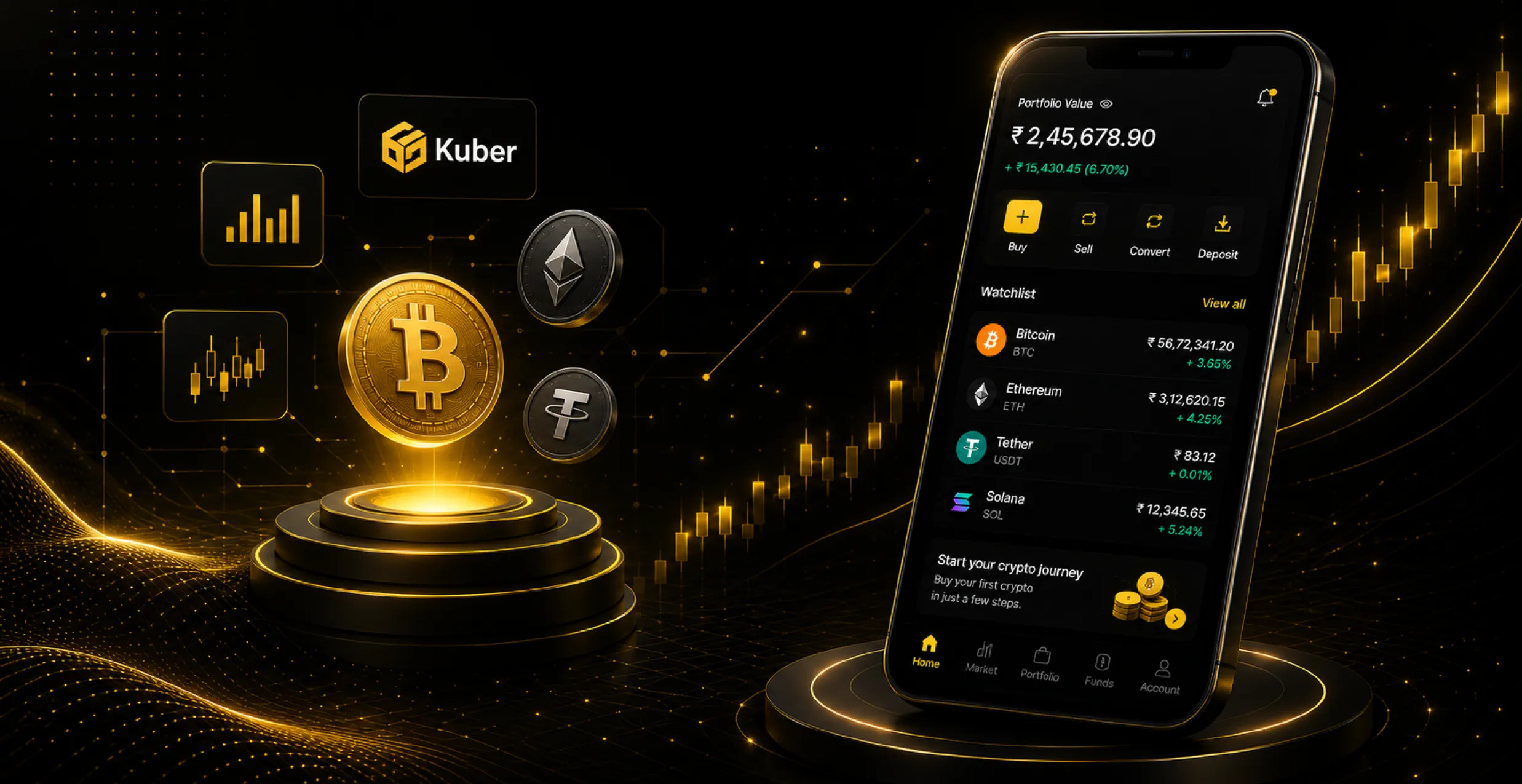
The crypto exchange mobile app like Binance can also be used for trading of cryptocurrencies, selling one cryptocurrency to buy another, etc. For instance, if you have Bitcoin, you can use the platform to convert it into Ethereum.
The rate of cryptocurrencies keeps on fluctuating. The exchange platforms will show the latest market price, and transactions will be done on the basis of the current price.
Millions of transactions take place on different crypto exchanges where billions of dollars come into trading every day. Therefore, the crypto exchange platforms are in demand and are a great source of profit.
Difference Between Centralized and Decentralized Crypto Exchange
Centralized and decentralized exchanges differ mainly in control, security, and transaction handling. In centralized exchanges, the middleman coordinates the trades and user assets, whereas in decentralized exchanges, peer-to-peer trading is made possible by smart contracts. The increasing security issues and the need to have transparency as a user are pushing them towards decentralized exchange platforms.
| Aspect | Centralized Exchange (CEX) | Decentralized Exchange (DEX) |
| Control | Managed by a single organization that oversees all operations. | No central authority; users control their own transactions. |
| Intermediary | Requires a platform or third party to process trades. | Removes intermediaries using smart contracts. |
| Transaction Processing | Handled via centralized servers. | Executed directly on the blockchain. |
| Security | Private keys are stored by the exchange, increasing risk. | Users retain private keys, offering higher security. |
| Data Storage | Transaction data is stored in a central database. | Data is distributed and recorded on the blockchain. |
| Transparency | Limited transparency and control for users. | High transparency with publicly verifiable transactions. |
| User Preference | Suitable for beginners and high liquidity. | Preferred for privacy, security, and decentralization. |
Key Features to Integrate into Decentralized Exchange
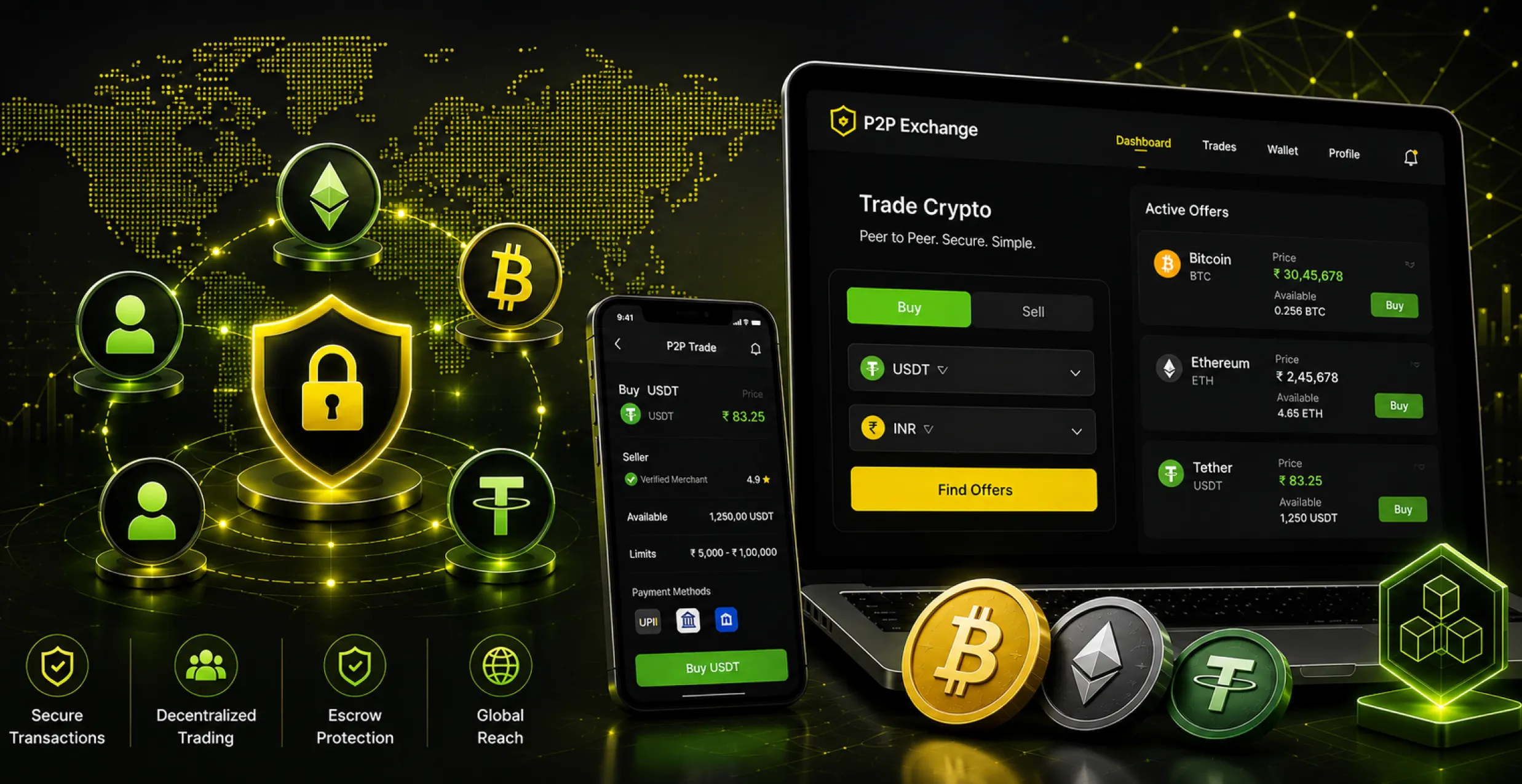
When you decide on decentralized P2P exchange development, ensure that the application exhibits all the essential features. Some features are must-haves and can’t be ignored, whereas some features are advanced and will help you to onboard more users.
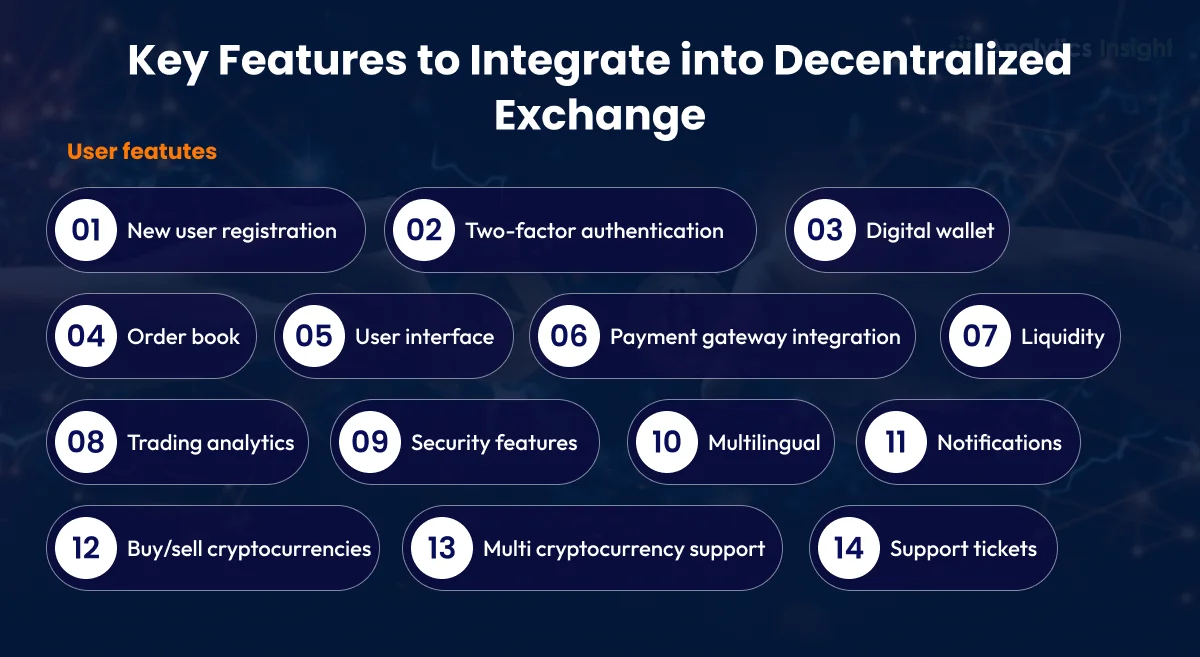
User Features
- New user registration: This is the first step in onboarding new users to your platform. After landing on your app or website, the new users should be able to easily create their accounts and log in to exchange cryptocurrencies. The user registration should also have security features, like captcha or user verification, to avoid unauthorized logins and tampering.
- Two-factor authentication: For additional security, you can also provide a two-factor authentication feature for accessing the account. For instance, you can send an OTP to facilitate secure logins. Users will be having financial assets, which makes it essential to have robust security features.
- Digital wallet: The role of a digital wallet apps in the crypto exchange is to allow users to store their cryptocurrencies. They can add their preferred local currency to the wallet and use it for buying or trading cryptocurrency. If they choose to sell the cryptocurrency, the amount can also be stored in this wallet. When the user wants to withdraw it to their bank accounts, it can be done quickly from the wallet.
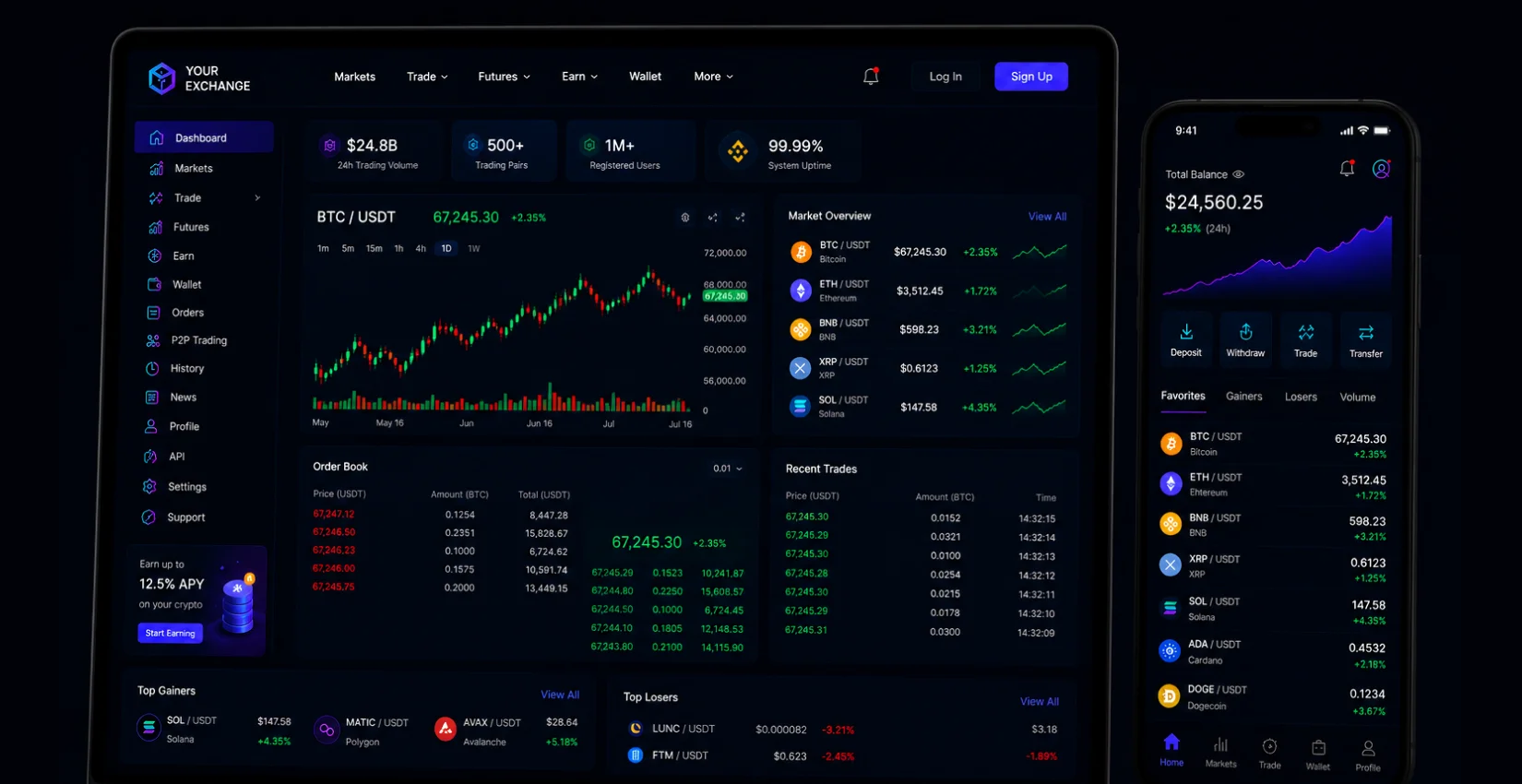
- Order book: An order book in the decentralized crypto exchange app or site is used to show users the transaction history. Whenever the user adds money to the wallet, buys or sells cryptocurrency, withdraws some amount, a list of all transactions can be viewed in the order book.
- User interface (UI): Having an appealing user interface for the DEX platform is crucial for its success and user satisfaction. The UI should be designed not only for attraction but also for offering a great user experience. Many developers get caught in the complexity of the app or website that they don’t pay much heed to the UI and UX. Therefore, it must be better to opt for a web and app development company that has expertise in creating such platforms.
- Payment gateway integration: The platform should have a number of different crypto payment gateways so that users can pay with their preferred currency to buy or invest in cryptocurrency. For withdrawal and trading also, ensure that the users can make transactions easily. The best way is to go with the most used crypto payment gateways globally.
- Trading analytics: The platform shows all the important analytics related to trading in the form of charts and graphs. It allows users to see and analyze the investment, profits, progress, etc. Moreover, they can also make predictions related to further cryptocurrency exchanges and trades.
- Security features: Security should be a priority, especially when financial risks are involved. You must have several security practices in place to secure the login activities, encrypt user access, limit login attempts, etc. Two-factor authentication can be made compulsory for every user to avoid account compromises. Additionally, you can get the time-locked transaction feature integrated so that it logs out after particular trading is done.
- Multilingual: While English is the most preferred language for mobile apps and websites today, you can enable support for multiple languages. It will help you onboard people who are comfortable with local or regional languages. In addition, people like to browse in the language of their choice.
- Liquidity: Liquidity presents the ease with which a cryptocurrency can be converted into cash or the local currency of the user. You can leverage a secure API for liquidity and get it integrated into your platform so that users can make the right decisions while trading.
- Buy/sell cryptocurrencies: Users should be able to easily place orders, whether it is for buying or selling cryptocurrencies. They can view the current rate of the cryptocurrencies like Bitcoin and Ethereum, enter the amount, and place the order.
- Multi cryptocurrency support: There are numerous cryptocurrencies available for trading around the world. If you aim to have the platform for a global audience, then it is important to support multiple cryptocurrencies. It will help you to find more users for your platform and generate more revenue.
- Notifications: A feature to keep users notified about the latest updates in their account, such as order confirmation, new rates of cryptocurrencies, etc.
- Support tickets: Users may face several types of issues related to their assets, transactions, wallets, etc. In order to keep them satisfied and win their trust, it is crucial to have a support feature.
Recommended Read: P2P Payment App Development
Admin Features
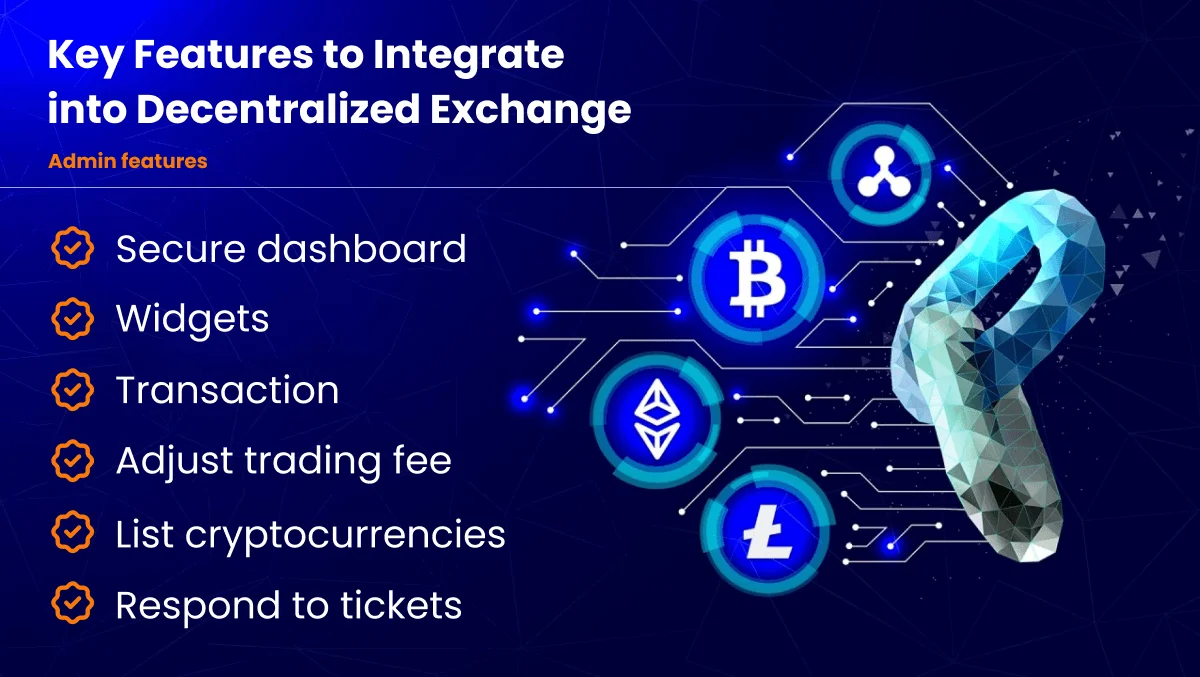
- Secure dashboard: The dashboard will work as a unified way for the admins to view and manage the decentralized exchange from the backend. It should be highly secure and protected against all sorts of cyber threats.
- Widgets: There should be multiple widgets that can be used by the admin to check user activities, new registrations, trading rates, etc. The admin can also approve new user requests, manage cryptocurrency listing, adjust fee structure, and perform other essential actions. The backend also has the option for the administrators to integrate additional features when required.
- Transactions: Admin can see the transactions made during a certain interval and the cryptocurrencies preferred by most of the users. Along with the user transactions, the DEX should also show the commission or fee charged during a day, week, or month.
- Adjust trading fee: You can keep the trading fee low initially to onboard more users and help them make profits. As the user base grows and your platform gains popularity, you can adjust the trading fee accordingly. However, you should not overcharge the users. It can result in people abandoning your platform.
- List cryptocurrencies: Various sorts of cryptocurrencies are available for trading today. You have to decide which cryptocurrencies to choose and list on your DEX. You can begin with the most preferred cryptocurrencies and add more as the platform grows. It is essential that you ask for scalability while looking for decentralized finance or DeFi exchange development.
- Respond to tickets: As an admin, you should reply to the user queries and support tickets submitted through the platform. This is an important thing to do for user satisfaction.
Best Decentralized Cryptocurrency Exchange Platforms
Before you choose to develop a decentralized exchange, it makes sense to know who are the top players in the market and how they are doing the business. It will also help you get an idea of exactly what to consider and what sort of business model to create for your idea. Below, you will find a brief about the top decentralized cryptocurrency exchanges this year:
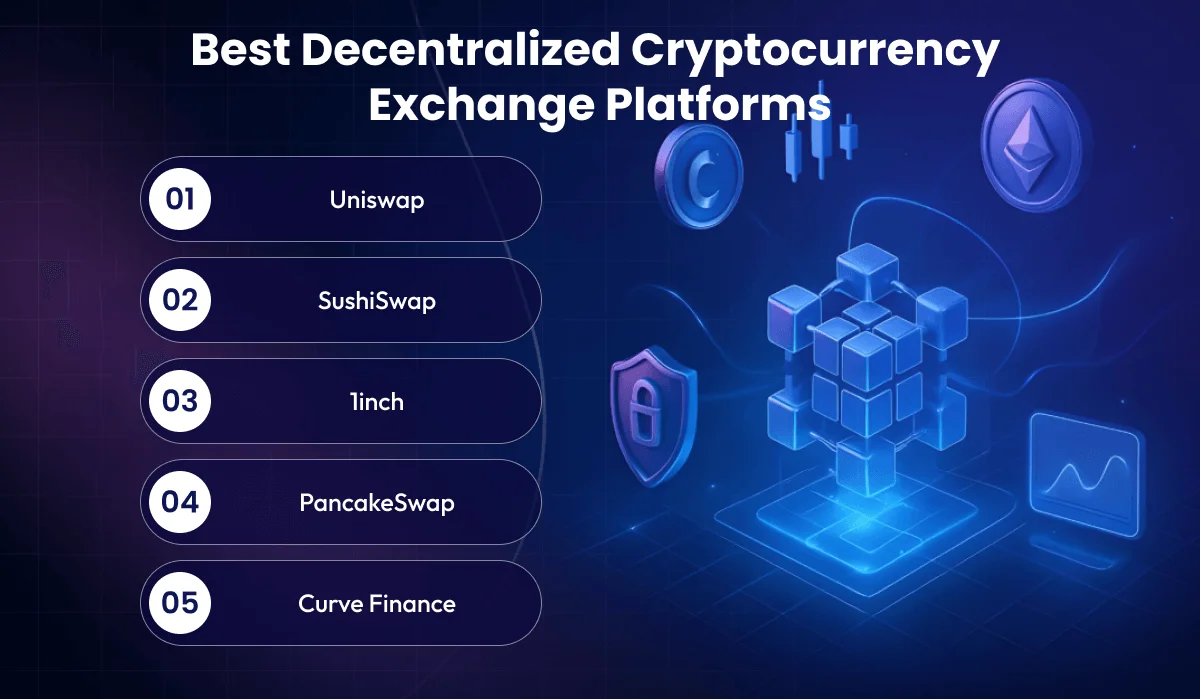
1. Uniswap
It is one of the most prominent DeFi platforms out there for exchanging cryptocurrencies. Founded in 2018, Unisawp is also a protocol that uses smart contracts on the Ethereum blockchain for processing automated transactions. In just a couple of years, Uniswap became so prevalent that it was listed as the most prominent decentralized exchange in October 2020.
Based on trading volume every day, it is also among the top five cryptocurrency exchanges in the world. The DeFi solution is earning nearly $3 million per day from trading fees, as of March 2021. Uniswap currently has more than 5,000 tokens, including AAVE, DAI, ETH, WBTC, USDT, and more.
2. SushiSwap
SushiSwap is another trending decentralized finance platform using which people can easily swap tokens. Based on the Ethereum blockchain, SushiSwap is a new player that was launched in 2020. However, it gained popularity quickly and became one of the most preferred DEX today. Currently, the platform is seeing a trade of over $180 million per day.
The number of tokens available on this DeFi platform is more than 1,400, which includes UNI, AAVE, BAL, MATIC, and many more.
3. 1inch
1inch is a decentralized exchange aggregator rather than a standalone platform. It brings together several DEX platforms and shows the audience the rates of those exchanges. Users can compare the pricing, transaction fees, and choose the cheapest options.
In addition, it also has its own exchange named 1inch Liquidity Protocol. It was formerly called Mooniswap. Currently, 1inch provides support for thousands of tokens.
4. PancakeSwap
PancakeSwap is very similar to the Uniswap platform. However, it is not based on the Ethereum blockchain. PancakeSwap uses Binance Smart Chain. The audience can buy and sell the BEP-20 tokens directly on the platform.
This exchange wasn’t very prevalent till last year. But the Ethereum network had increased its transaction fees earlier this year, which made people jump to PancakeSwap since it doesn’t run on the Ethereum blockchain. The daily volume of the exchange is over $13 million. PancakeSwap supports nearly 300 tokens, including DOGE, ETH, BNB, BUNNY, etc.
5. Curve Finance
Curve Finance is a trending decentralized exchange meant for swapping stablecoins. It also allows the exchange of tokenized stablecoins. Curve Finance has seventeen pools on the platform, which users can use to swap and exchange stablecoins like USDT, TUSD, BUSD, DAI, etc. This DEX is known for its low fee and seamless user experience.
Read Also: Top Decentralized Exchange Development Companies in the USA
Steps to Develop a Decentralized Exchange
1. Define the Business Model and Target Market
Begin by defining your business objectives, revenue model, and your target audience. Determine how the platform will make money and what type of user base you would like to serve, and this will inform all the technical and functional decisions.
2. Select Cryptocurrencies and Blockchain Network
Select the cryptocurrencies that you will support depending on the market demand, liquidity, and compatibility. In addition to this, complete the blockchain network that provides the optimal security/scalability/efficiency balance of transactions.
3. Finalize Core Features and Functionality
List key characteristics (e.g., digital wallets, trading engine and liquidity integration, buy/sell options, and security mechanisms). Competitor study enhances the need to make sure that your platform meets the expectations of the users so that it can be simple to use.
4. Design, Develop, and Secure the Platform
Work on creating an accessible UI/UX and creating smart contracts and backends. It is essential to use security audits, encryption, and smart contract testing to secure user assets and maintain the reliability of the platform.
5. Testing, Deployment, and Ongoing Support
Perform extensive testing prior to launch in order to detect and resolve problems. After deployment, it needs to be monitored and updated regularly and have technical support in place to ensure performance, security, and user confidence.
Why Choose Octal IT Solution As Your Blockchain App Development Company?
Octal IT Solution is one of the top blockchain development agencies, helping businesses transform ideas into robust digital solutions. Being highly innovative, quality-driven, and scalable, we provide technology-based outcomes that are in line with your business goals and accelerate long-term growth.
Proven Technical Expertise
Our industry-leading developers develop scalable, secure, and performant software on the top blockchain programming languages, with modern technologies and industry best practices.
Customized Business-Driven Solutions
Our custom software development is based on the specific business objectives/purpose, operational requirements, and expansion strategies.
Agile & Transparent Development Process
An agile approach to the project will guarantee prompt completion, effective communication, frequent updates, and full visibility of the project.
Quality Assurance & Security Focus
We have rigorous QA procedures and security policies to provide quality, bug-free, and compliant software solutions
Dedicated Support & Long-Term Partnership
We provide ongoing support, maintenance, and strategic guidance to make sure that your software keeps up with your business. To be transparent and trusting, you may refer to our blockchain case study, and then make your choice to proceed.
Decentralized Exchange Development Cost
Another common question asked by those looking for DEX development is how much does it cost to develop a decentralized exchange app. Well, the total cost depends on a lot of factors. These factors include the number of cryptocurrencies to integrate for trading, the number of local currencies accepted, features, functionalities, technology stack used, and the experience and location of the app development company.
Servers, audience base, and volume of transactions also impact the pricing. Since such apps and websites are a bit complex to develop and require more time, the budget is usually higher. It will cost you somewhere between $40,000 to $80,000.
Wrapping Up
Decentralized crypto exchange development is gaining strong momentum as users increasingly prefer platforms that give them full control over their assets and transactions without relying on intermediaries. With cryptocurrency adoption rising globally and regulations becoming more favorable across many countries, the demand for secure, transparent, and user-centric DEX platforms continues to grow.
To businesses and entrepreneurs, the launch of a decentralized exchange is an opportunity that could enable them to reach the growing crypto economy. Nonetheless, to create a scalable, secure, and feature-rich DEX, it takes appropriate technical knowledge and skills, a strong blockchain architecture, and a rich market need perception. In case you are planning the creation of a decentralized exchange platform, one of the things that could be useful to make your idea work is to collaborate with a well-established blockchain app development company that would assist you in transforming it into a reliable and solution-oriented application.
To pose questions, discuss the technicalities, or request anything regarding the project, reach out to our specialists and make the first move towards the creation of your own decentralized exchange platform.
FAQs:


 Get in Touch
 By
By August 7, 2026