



Key Takeaways
- The average mobile app development cost in the UK ranges from £15,000 to £500,000, depending on complexity and features.
- Mobile app development costs are influenced by industry standards, demand, and team experience, making quotes vary widely.
- Specific features, design complexity, and the development stage can significantly impact the overall budget for mobile apps.
- Ongoing costs after launch, including maintenance and compliance, can be essential to factor in for budgeting.
- To control costs, consider building an MVP, using cross-platform solutions, and adopting a phased approach to development.
You have an app idea and a budget in mind. Then you ask three agencies for a quote. One says £20,000, and another says £90,000. The third needs a workshop first. So how much does it really cost to build an app in the UK?
This guide offers you a straight answer. It breaks down mobile app development costs in the UK by complexity, stage, platform, rates, and industry. It also covers what other guides skip: UK rules, tax relief, and real budgets. You will end up knowing what to spend and what to ask.
How Much Does It Cost to Build A Mobile App in the UK in 2026
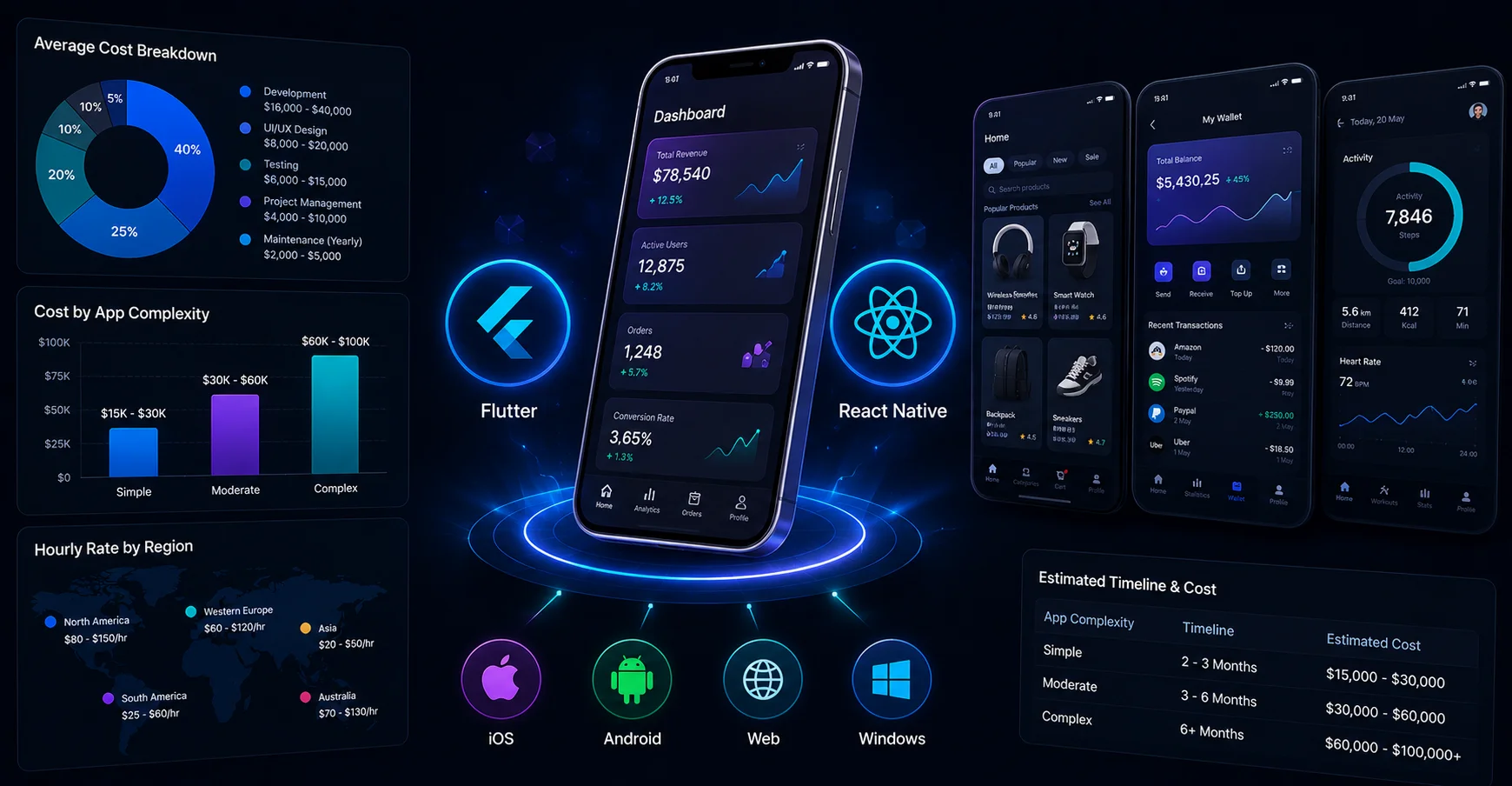
The average mobile app development cost that UK founders see in 2026 runs from £15,000 to £500,000. Most business apps land between £40,000 and £80,000.
UK App Cost At A Glance (MVP / Mid / Complex / Enterprise With Timeline)
Mobile app development pricing from UK agencies seems similar when you examine it side by side. We reviewed current UK price guides and rate data. This table indicates the bands that repeat most often.
| App type | Typical cost | Timeline |
| Simple / MVP | £15,000–£45,000 | 2–3 months |
| Medium | £45,000–£100,000 | 4–6 months |
| Complex | £100,000–£250,000 | 6–12 months |
| Enterprise | £250,000–£500,000+ | 12+ months |
Why Two UK Quotes Can Differ By 3x
One mobile app development quote can be three times higher than another. Scope is the primary factor. Team location, seniority, and missing line items add to the gap. A £30,000 quote without QA isn’t always truly £30,000.
UK Mobile App Market in 2026: What It Means for Your Budget
Market conditions shape UK mobile app development cost as much as features do. Higher demand can push developers’ rates up and make good talent harder to secure.
Market Size & Growth
IBISWorld puts UK app development at £32.3 billion in 2026, up 11% from last year. In 2025 it was £29.1 billion. DataReportal counted 99.3 million mobile connections by the end of 2025. That is 143% of the population.
How Demand is Pushing Developer Rates & Hiring
More demand means more competition for good engineers. UK contract developers earn roughly £510 to £530 a day, per April 2026 ITJobsWatch data. London agencies add a bigger premium, often 30–50%.
Mobile App Development Cost in the UK by Complexity
Complexity is the biggest factor affecting mobile application development costs in the UK. More features, user roles, and integrations mean more hours.
Simple / MVP Apps
Businesses can expect £15,000 to £45,000 for a simple app. You get core displays, sign-up, simple content, and a cross-platform build. Most take up to 3 months.
Medium-Complexity Apps
Budget £45,000 to £100,000 for mid-size apps. This tier adds payments, push notifications, an admin panel, and a few integrations. The mobile app development timeline is typically 4 to 6 months.
Complex Apps
Plan on £100,000 to £250,000. Think real-time tracking, several user roles, marketplaces, and heavy backend work. These builds run 6 to 12 months.
Enterprise Apps
Enterprise builds start near £250,000. They need strict security, custom integrations, audit trails, and large user loads. Regulated companies often pay more for compliance planning.
App Development Cost by Stage
Each stage of the mobile app development process takes a share of the budget. Knowing the breakdown helps you to see a lopsided quote.
| Stage | Share of budget | On a £60,000 build |
| Discovery and planning | 10–12% | £6,000–£7,200 |
| UI/UX design | 10–15% | £6,000–£9,000 |
| Development | 50–60% | £30,000–£36,000 |
| Testing and QA | 10–15% | £6,000–£9,000 |
| Launch and deployment | 3–5% | £1,800–£3,000 |
| Project management | 5–10% | £3,000–£6,000 |
Discovery & Planning
This is where scope gets fixed. Teams run workshops, map user flows and list features. Paying early avoids costly changes later.
UI/UX Design
Design covers wireframes, prototypes, and the final look. Good UX cuts rework and support tickets. Custom animation pushes the prices higher.
Development (Frontend & Backend)
Development takes the biggest share, around half to 60%. It covers screens, servers, databases, and APIs. Backend planning is often bigger than clients assume.
Testing & QA
Testing assesses capabilities, security, and speed across devices. UK users have a wide mix of phone models and OS versions. Skipping it costs more after launch.
Launch & Deployment
Launch covers store submission, server setup, and release pipelines. It is a small share, roughly 3–5%. Store reviews can take days, so leave buffer time.
Cost by Platform & Tech Approach
Platform choice can significantly affect the cost of mobile app development in the UK more than most people assume. Your tech approach can affect the budget just as much as the platform choice.
iOS vs. Android vs. Both
UK users split almost evenly. StatCounter shows iOS at 51.5% and Android at 48.5% in August 2026. Skip one platform, and you lose half your audience. Two native builds nearly double the effort.
Native vs. Cross-Platform vs. Hybrid
Cross-platform tools like Flutter and React Native use one codebase. Many assets cite 30–40% savings over two native apps. Native development can be a better fit for heavy graphics or deep hardware access.
| Approach | Cost vs. two native apps | Best for |
| Native (iOS + Android) | Baseline, highest | Games, AR, deep hardware |
| Cross-platform | About 30–40% lower | Most business apps |
| Hybrid (WebView) | Lowest upfront | Simple content apps |
UK App Developer Rates in 2026
Rates drive the largest part of the app development quotes you will see in the UK. Location, seniority, and team size all affect the hourly rate.
Hourly & Day Rates by Seniority
Rates generally rise with seniority. Freelance contractors charge about £500 or more a day across the UK.
| Level | Regional UK (per hour) | London (per hour) |
| Junior | £30–£45 | £45–£65 |
| Mid-level | £45–£65 | £65–£90 |
| Senior | £65–£100 | £90–£130 |
London vs. Regional UK vs. Near/Offshore
London agencies price 30–50% more than Manchester, Bristol, or Leeds. Nearshore teams in Poland or Romania frequently charge £35–£60 an hour for mobile work. Offshore companies run lower, but time zones need care.
In-House vs. Agency vs. Freelancer vs. Dedicated Team
A mobile app development company costs more per hour but brings a complete team. A senior in-house developer in London can also cost over £100,000 a year before overheads.
| Team model | Indicative rate | Best for |
| UK agency | £600–£1,200 a day | Regulated work |
| UK freelancer | £350–£800 a day | Small jobs |
| Nearshore agency | £200–£450 a day | Tight budgets |
| Offshore agency | £80–£200 a day | Simple builds |
Fixed Price vs. Time & Material vs. Dedicated Team Pricing
Fixed price fits a clear MVP, often £20,000 to £80,000. Time and materials suit changing scope, usually £40,000 to £200,000. A dedicated team runs about £15,000 to £40,000 a month and fits long-term products.
Cost by App Type & Industry
The cost to develop a mobile app in the UK changes a lot by industry. Regulation, integrations, and user trust all add scope.
| Industry | Typical UK range | Main cost drivers |
| Fintech | £80,000–£300,000+ | KYC, open banking, FCA rules |
| Healthcare | £60,000–£250,000+ | NHS integration, data security |
| E-commerce | £70,000–£160,000 | Payments, stock sync, loyalty |
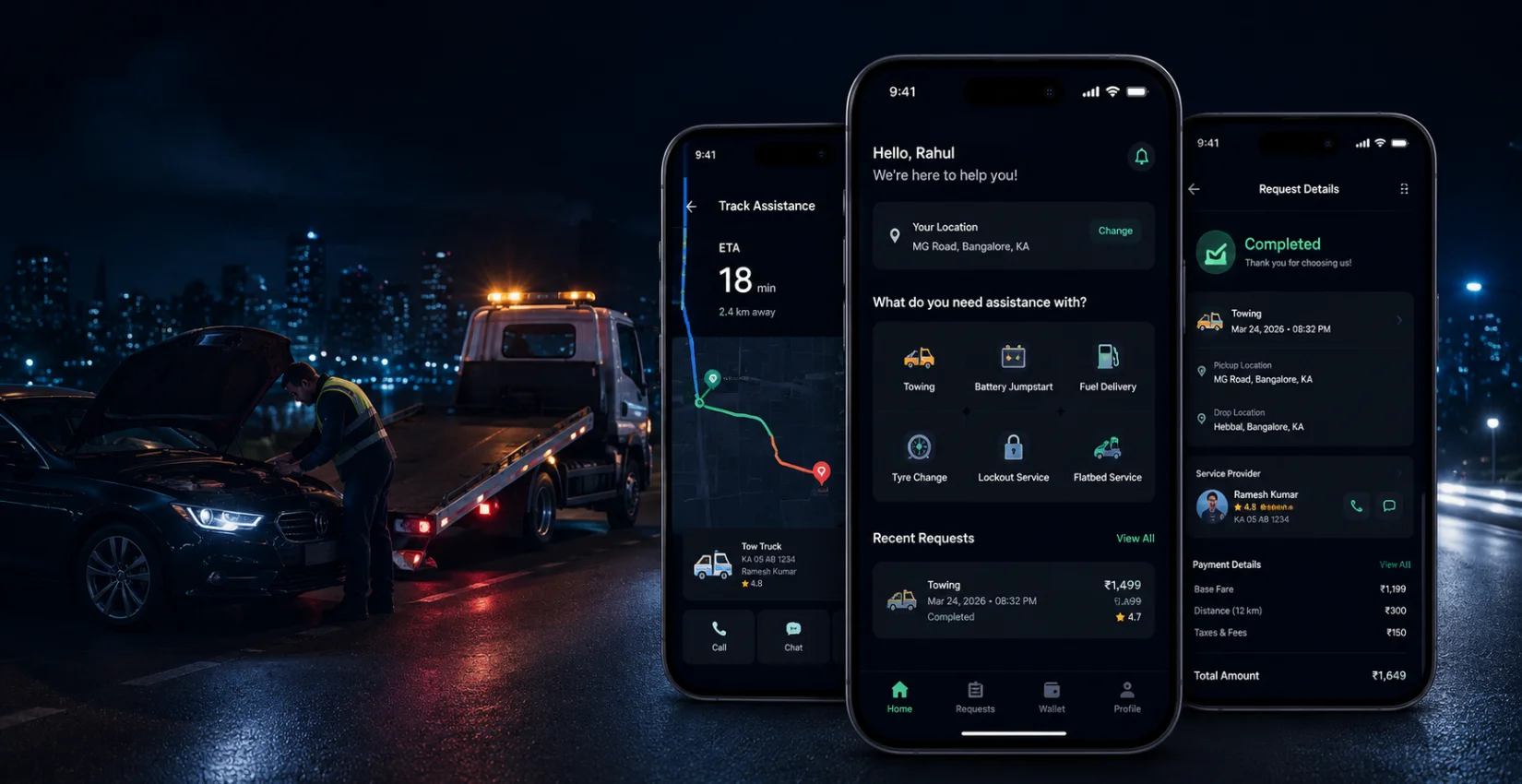
| On-demand | £45,000–£150,000 | Customer, rider and admin apps |
Fintech & Banking
Fintech is the priciest category, often 80,000 to 300,000 or more. KYC checks, open banking links, and fraud tools each add fees. FCA rules shape the design from day one.
Healthcare & Wellness
Why does a patient portal cost more than a booking app? Because of strict data rules. Healthcare builds run £60,000 to £250,000 or more. NHS-facing apps may also need a DTAC evaluation.
E-Commerce & Retail
Retail apps live or die on checkout velocity. One UK retail estimate puts the cost at £70,000 to £160,000 over 10 to 16 weeks. Payments, stock sync, and loyalty features drive the price.
On-Demand & Marketplace
Two-sided apps need at least 3 interfaces: a consumer app, a company app, and an admin panel. A Deliveroo-style first model costs about £45,000 to £65,000. A full platform can cost £150,000.
Social, Education & Fitness
These apps share one trap: content and community. Video, chat and feeds are heavy to build and to run. Price them by feature, not by category.
What AI Features Add to Your UK App Budget
AI features can quickly increase your UK app development budget, but not all AI features cost the same. A simple chatbot and a custom model cost differently.
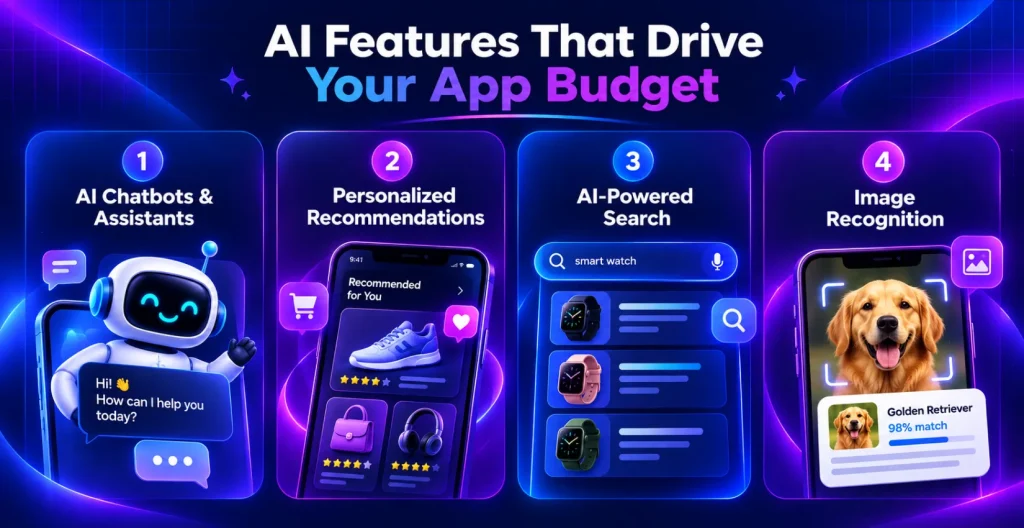
AI Chatbots & Assistants
One UK agency guide prices a chatbot on an existing model at £18,000 to £45,000. A richer conversational assistant runs £28,000 to £80,000. Connecting it to your live data raises the price.
Personalised Recommendations
Recommendation engines are the cheapest AI win. Expect the cost to range from £8,000 to £25,000 using existing tools. Great data matters more than the model.
AI-Powered Search
Smart search understands what users mean, not just what they type. Costs run about £20,000 to £60,000. It needs well-structured content and a search index.
Image recognition
Computer vision reads images or camera feeds. Costs run £35,000 to £120,000, depending on training data. Start with an off-the-shelf model before deciding to buy a custom one.
The Running Cost Most Guides Skip
Model usage bills arrive each month. Chat and search features can incur charges per request, so higher usage raises costs. Set usage caps from day one. AI-enabled systems often spend £30,000 to £100,000 a year on upkeep.
The UK 2026 Cost Shifters: What Global Cost Guides Miss
Global guides ignore rules that change mobile app development costs UK teams face this year. These six factors push your budget up or down.
UK GDPR & Data Use
The Data (Use and Access) Act 2025 amends UK GDPR and cookie rules. Core parts took effect on 5 February 2026. PECR fines now reach £17.5 million or 4% of turnover. In the process, expect consent flows, data mapping, and deletion tools. Setup often runs £3,000 to £7,000.
Online Safety & Age Checks
If customers can chat, post, and upload content, these rules may apply to your app. You want reporting tools, moderation, and often age checks. Ofcom can fine up to £18 million or 10% of worldwide sales.
Apple, Google & Payments
The CMA gave Apple and Google strategic market status on 22 October 2025. On 30 June 2026, it proposed letting developers steer users to payment options outside the store. These proposals may change, so check the final guidelines before making a decision. Design your payments so that you can add options later.
Accessibility & Privacy
Public-sector apps must meet accessibility guidelines, and users expect it everywhere. Retrofitting later can cost 5–15% of the build. Apple and Google also require privacy declarations that list your SDKs. Build both in early.
R&D TAX Relief
Custom software can qualify as R&D. The merged scheme provides a taxable credit, with the exact benefit depending on the company’s circumstances. Loss-making, R&D-intensive SMEs can rise to 27%. Ask a tax adviser.
Sticker Price vs. Real UK Cost (Worked Example)
The quote is only the starting line. Here is an illustrative first-year view.
| Line item | Amount |
| Agency quote, mid-complexity app | £80,000 |
| UK GDPR and privacy set-up | + £5,000 |
| First-year maintenance (about 17.5%) | + £14,000 |
| R&D relief on £50,000 qualifying spend (net) | − £7,500 |
| Real first-year cost | £91,500 |
This is an illustration, not tax advice.
Hidden & Ongoing Costs After Launch
Most guides stop at launch. The real mobile app development cost in the UK keeps running for years. So, plan for it now.
Maintenance & OS Updates
Budget 15–20% of the build price every year. The first year can run higher, up to 40–50%, as early bugs surface. Apple and Google launch important OS updates each year. So, your app has to keep up too.
Cloud, Third-Party APIs and SDKs
Hosting, databases, maps, SMS, payments, and analytics all bill monthly. Small apps might also pay a few hundred pounds. Busier apps can cost much more. Ask for a monthly cost estimate before launch.
App Store Fees, ASO & Marketing
Apple charges £79 a year, while Google charges a one-off $25. Commission applies to in-app sales: 15% below $1 million in yearly proceeds on Apple, 30% above. Marketing is a separate expense. An app nobody finds earns nothing.
Three-Year Total Cost of Ownership
Every mobile app development cost estimate should consider at least three years of ownership, not one. This example uses an £80,000 build.
| Item | Year 1 | Year 2 | Year 3 |
| Build | £80,000 | – | – |
| Maintenance (15–20%) | £12,000–£16,000 | £12,000–£16,000 | £12,000–£16,000 |
| Privacy and compliance upkeep | £1,500–£5,000 | £1,500–£5,000 | £1,500–£5,000 |
| Total | £93,500–£101,000 | £13,500–£21,000 | £13,500–£21,000 |
Three-year total: about £120,500 to £143,000. Hosting usage, advertising and marketing, and new features cost more.
Budget-First Planner: What £25K, £50K, £100K & £250K Buys in the UK
Most guides start with features. Most founders start with a budget. So turn the question. Instead of asking, “How much does it cost to develop an app in the UK?” ask what your budget can buy.
What Each Budget Tier Gets You (Scope, Timeline & Team)
These tiers integrate the price bands above with typical build times.
| Budget | What you can expect | Timeline |
| £25,000 | One core journey, cross-platform MVP, simple backend | 2–3 months |
| £50,000 | Sign-up, payments, admin panel, clean custom UI | 3–4 months |
| £100,000 | Integrations, roles, deeper QA, analytics | 4–7 months |
| £250,000 | Multi-role platform, real-time features, compliance work | 6–12 months |
Must-Have vs. Later Feature Matrix
Sort each feature into 3 lists. Must-haves support the core launch. Cut the list until it fits the price range.
| Must-have (launch) | Should-have (v1.1) | Later (v2) |
| Sign-up, search, booking, payment | Push alerts, reviews, favourites | Loyalty, referrals, in-app chat |
How to Read a UK Agency Quote (Line Items to Check)
Look for discovery, design, the frontend, backend, QA, project management, hosting set-up, and post-launch support. Missing terms mean hidden extras. Check who owns the code. Ask what counts as a change request.
Red Flags & Early Warning Signs of Overruns
Be wary of cost far below the rest, no discovery phase, and vague QA. Overruns show early: scope creep, gradual sign-offs, and rising change requests. Ask for weekly development and spend reports.
How to Reduce Mobile App Development Cost Without Cutting Quality
You can reduce mobile app development costs without cutting corners. The savings come from planning, not from cheaper testing.
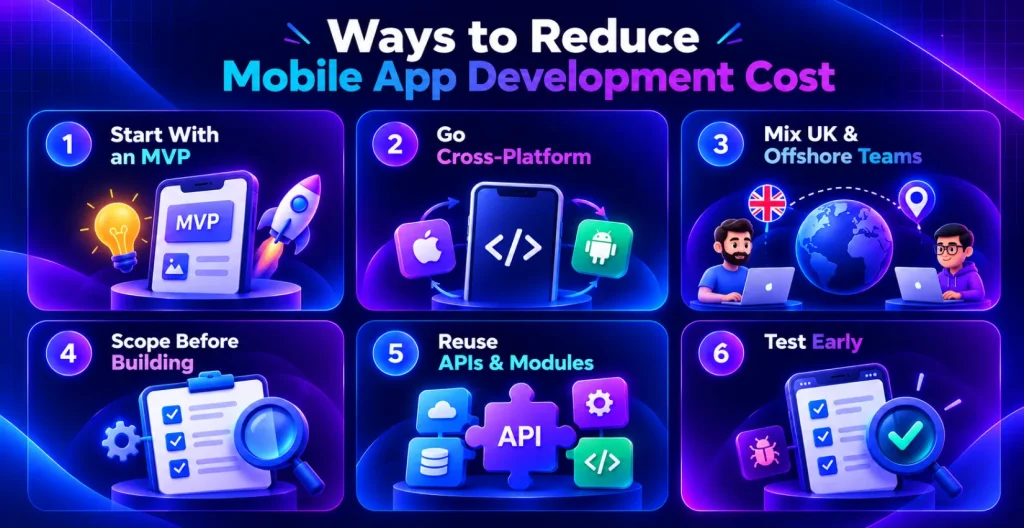
Build an MVP First
Launch with the core journey first. Real customers then tell you what to build next.
Use Cross-Platform Where It Fits
One Flutter or React Native codebase can cut 30–40% versus two native apps. It also means one bug fix, not two. Choose native for heavy graphics or deep hardware needs.
Blend UK & Nearshore/Offshore Teams
When you outsource mobile app development, keep a UK product owner close. Pair them with nearshore engineers at £35–45 an hour. You keep control and lower the combined fee.
Pay for a Scoped Discovery Phase
Paid discovery costs about 10–12% of the project. It offers you a fixed scope, a clickable prototype, and a firm estimate. It ends vague quotes.
Reuse APIs & Modules
Do not build payments, maps, chat, or login from scratch. Use services like Stripe or Firebase. Ready-made modules save weeks. Watch monthly fees as usage grows.
Test Early
Fixing a security issue during design costs far less than fixing it after release. Test every feature on actual devices.
How to Choose a UK App Development Partner
Before you hire mobile app developers, look at proof, not price. A low quote can become expensive if it leaves out important work.
Verify Clutch Reviews, Portfolio & IP Ownership
Check opinions on Clutch and GoodFirms. Open live apps from their portfolio. Confirm you own the source code and design documents. Ask for two client references you can contact.
Ask Questions Before Signing
Ask who will be working on your project, how modifications are priced, and how bugs are handled after launch. Ask about security checks. Clear answers show that the team has a defined process.
Check UK Compliance Experience
Ask how they handle UK GDPR, age checks, and UK accessibility. A team that has delivered UK apps will answer quickly.
Review Their Communication Rhythm
Weekly demos, a shared board, and a named contact matter more than a polished pitch. Time-zone gaps are fine if overlap hours are agreed in writing.
Ask for a Written Cost Breakdown
Get hours and roles per phase, not one lump sum. Check what takes place if scope changes. A breakdown lets you examine three quotes fairly.
Plan the Exit Before You Start
Discuss and agree on how code, credentials, and documentation transfer in case you depart. A good partner should be comfortable with this arrangement.
How Octal IT Solution Helps You Control App Development Costs
Octal IT Solution has delivered over 2,300 projects and serves customers in more than 70 countries. Here is how that experience helps you keep your app budget in check.
Free Cost Estimate
Use our free app cost calculator for a fast ballpark. Then we scope your idea and prepare a time-to-market roadmap. Every discussion stays under NDA.
Flexible Pricing Models
Choose hourly, monthly, or fixed-price engagement. Fixed rate fits a clean MVP. Monthly teams fit products that are evolving.
One Flutter Codebase
Where it fits, we build iOS and Android apps from a single Flutter codebase. That means one team, one QA cycle, and lower overhead.
Ready-Made Modules
Login, payments, chat, and notifications rarely need custom code. We reuse proven modules and APIs. Your budget goes to what makes your app different.
UK Presence
Our London office gives you a UK phone line and email address. Raise UK GDPR and accessibility needs at discovery so they’re priced in.
Post-Launch Support
Maintenance and upgrades are part of our offer. We plan them with you at quote stage, so year-two costs are no surprise. Regular updates keep your app secure and store-ready.
Conclusion
Building an app in the UK costs more than a headline number suggests. Budget for the build, the rules, and 3 years of maintenance. Treat every range here as a starting point. Start with a clear scope, a fair quote, and a team you can question. If you need a more specific estimate for your app, talk to our team.


 Get in Touch
 By
By September 30, 2026