



In recent years, the sports mobile app industry has witnessed remarkable growth, especially with the rise of community-based platforms. Among these, social sportsbook apps have gained traction for merging real-time sports tracking with interactive community engagement. These apps offer users the ability to follow games, join prediction challenges, interact with friends, and compete on leaderboards — all within one platform.
If you’re planning to develop such an app, understanding the cost, features, and market potential is crucial. This guide covers everything you need — from revenue forecasts to feature must-haves, and the typical investment required to launch a quality product.
Market Outlook: Why Invest in a Social Sportsbook App?
The global demand for sports-related mobile experiences is booming. According to Grand View Research, the sports app market was valued at $3.66 billion in 2022 and is projected to reach $8.03 billion by 2030. This represents a compound annual growth rate (CAGR) of 10.9%, which is significant for any digital sector.
Another forecast from Technavio expects the sports app market to grow by $3.52 billion between 2024 and 2029, with a CAGR of 12.1%. Driving this growth is an increased demand for mobile-first experiences, personalization, and live content integration.
For deeper insights and trends around social sportsbooks and esports integration, check strafe.com for latest data. Their platform highlights how community-driven sports prediction platforms are reshaping digital fan engagement.
Key Features of a Social Sportsbook App
Creating a feature-rich app requires a balance between user utility, simplicity, and entertainment. Below are the essential features typically built into successful social sportsbook apps:
1. User Onboarding & Authentication
Allow users to sign up using email, phone numbers, or social accounts. Incorporate two-factor authentication for better security. Smooth onboarding leads to higher user retention.
2. Real-Time Score Updates
Integrate live score APIs to provide users with up-to-the-minute updates on their favorite teams and matches. This is the heart of engagement for any sports app.
3. Prediction Challenges
Enable users to join match-based prediction games. They can forecast outcomes like scores, top scorers, or event occurrences, earning rewards or recognition based on accuracy.
4. Social Interaction
Incorporate chatrooms, comment threads, and reaction features. This allows users to discuss games, share opinions, and challenge friends — making the app socially sticky.
5. Leaderboards & Achievements
Add gamification through public leaderboards and achievement badges. This motivates users to stay active and improve their rank among peers.
6. Wallet System & Virtual Tokens
A built-in wallet with virtual currency allows users to join challenges, send tokens to friends, or redeem rewards. Integration with third-party payment gateways is also useful for token purchases or withdrawals.
7. Push Notifications
Send alerts for upcoming games, friend challenges, leaderboard rankings, or app updates. Ensure these are personalized based on user behavior.
8. Admin Dashboard
Give your backend team visibility into user activity, wallet transactions, and app performance. This helps you monitor health, engagement, and identify feature needs.
Explore our work in Social Networking App development Casestudy
Advanced Features to Boost User Retention
Once the basic app is launched, you can consider upgrading with advanced features that deepen engagement:
- AI-Powered Personalization: Suggest relevant challenges, games, or content to users based on past activity. This increases session time and user satisfaction.
- AR/VR Experiences: Add augmented reality overlays for in-stadium experiences or 3D visualizations of game stats. This is especially attractive to younger audiences.
- Live Video Integration: Offer in-app viewing of games via streaming APIs or third-party embeds. This turns your app into a one-stop hub for fans.
- Multi-language & Currency Support: Expand globally by supporting various languages and local tokens or currencies.
- Advanced Security: Implement KYC (Know Your Customer), fraud detection, and geolocation-based access rules to meet regulatory and user safety standards.
Also Read – 35+ Highly Profitable Sports App Development Ideas in 2025

Cost to Develop a Social Sportsbook App
The mobile app development cost depends on the complexity of the app, technology stack, design, features, and development team’s location. Here’s a breakdown in three stages:
Basic Version (Approx. $50,000 to $80,000)
A basic app includes core features such as registration, live scores, prediction games, leaderboards, and notifications. It’s often built using cross-platform tools like Flutter or React Native to keep costs low. This version is ideal for testing your idea and gaining early users.
Mid-Level App (Approx. $100,000 to $180,000)
The intermediate version includes additional features such as social feeds, real-time chat, advanced wallets, admin panels, and analytics dashboards. It also includes better design, moderate scalability, and cross-region support. At this level, the user experience is smoother, and engagement is higher.
Advanced App (Approx. $200,000 to $400,000+)
Enterprise-level apps incorporate cutting-edge technology such as AI-based recommendations, augmented reality, in-app live streaming, fraud detection, multi-language interfaces, and modular backend architecture. These apps are ready to scale for millions of users and high-traffic live events. Ongoing maintenance, bug fixing, updates, and user support generally add 15–25% of the initial development cost annually.
Factors That Affect Development Cost
Several variables influence your final budget:
- Number of Platforms: Developing for Android and iOS separately will increase the cost unless you go for a cross-platform solution.
- Geographic Team Location: Hiring developers in India or Southeast Asia can reduce your hourly cost compared to teams in the U.S. or Europe.
- Third-Party Tools: Integration of real-time data feeds, streaming APIs, or payment gateways may involve recurring subscription costs.
- Security Compliance: Implementing features like KYC or regional restrictions can increase development complexity and cost.
- Scalability Requirements: Planning to handle thousands or millions of users in real-time events means investing in microservices, auto-scaling infrastructure, and cloud DevOps.
Recommended Tech Stack
For most sports apps, a solid foundation looks like:
- Frontend: React Native or Flutter
- Backend: Node.js, Python (Django/Flask), or Laravel
- Database: PostgreSQL or MongoDB
- Real-time: Firebase, WebSockets
- Hosting: AWS, Google Cloud, or Azure
- APIs: Sports data providers like RapidAPI or Sportradar
Partnering with a seasoned development team like Octal Software ensures that you not only get the right technology stack but also benefit from scalable, secure, and high-performance solutions.
Monetization Strategies for Social Sportsbook Apps
A key aspect of app success isn’t just development and user engagement — it’s also about sustainable revenue generation. Social sportsbook apps can be monetized through several proven strategies that align with user behavior and market expectations:
1. In-App Purchases
You can offer virtual coins, tokens, or access to premium features such as exclusive challenges, advanced statistics, or avatar upgrades. This model encourages users to spend more time in the app and feel rewarded for their engagement.
2. Subscription Plans
Introducing tiered subscription models gives users access to enhanced insights, ad-free experiences, or early access to new features. Monthly or yearly plans help generate recurring revenue and build brand loyalty.
3. Sponsored Challenges & Brand Partnerships
Brands can host their own custom challenges or tournaments within the app. This opens up B2B monetization through promotional placements, affiliate partnerships, and influencer-led competitions.
4. Native Advertising
Instead of disruptive ads, integrate brand promotions naturally within leaderboards, game previews, or user feeds. Contextual and interactive ads tend to perform better and keep the user experience clean.
5. Freemium Model
Offer the app for free with limited features and allow users to upgrade for full access. This popular strategy helps acquire users quickly while driving conversions over time.
Why Choose Octal Software?
At Octal Software, we bring deep expertise in building high-performance, community-focused mobile apps. Whether you need custom mobile app development, AI-based personalization engines, real-time backend architecture, or cloud deployment, our full-stack teams deliver solutions that scale.
We’ve helped clients across the sports, gaming, entertainment, and community spaces bring their vision to life with engaging UI/UX, scalable architecture, and secure infrastructures.
Launch Roadmap
If you’re looking to launch your own social sportsbook app, here’s a quick roadmap:
- Define Your Niche: Choose the sport or region you want to target.
- Research Competitors: Study leading apps and define your unique angle.
- Build Wireframes & Design: Work with UI/UX experts to shape the app visually.
- Develop MVP: Launch a basic app to collect user feedback.
- Iterate Based on Data: Use analytics and behavior tracking to refine features.
- Scale with Cloud & AI: Add intelligent features and prepare for user growth.
Each of these steps can be fully managed by the Octal Software team, offering end-to-end support — from discovery to deployment and beyond.
Final Thoughts
With the sports app market projected to surpass $8 billion by 2030, now is the perfect time to develop a social sportsbook app that connects fans in meaningful ways. Whether your focus is cricket, football, basketball, or esports — integrating social features with real-time gameplay creates unmatched stickiness and engagement.
The key to success lies in combining intuitive design, live data integration, gamified features, and scalable architecture. If you’re serious about creating a standout experience, partnering with a development company like Octal Software ensures your vision becomes a robust and revenue-ready product.


 Get in Touch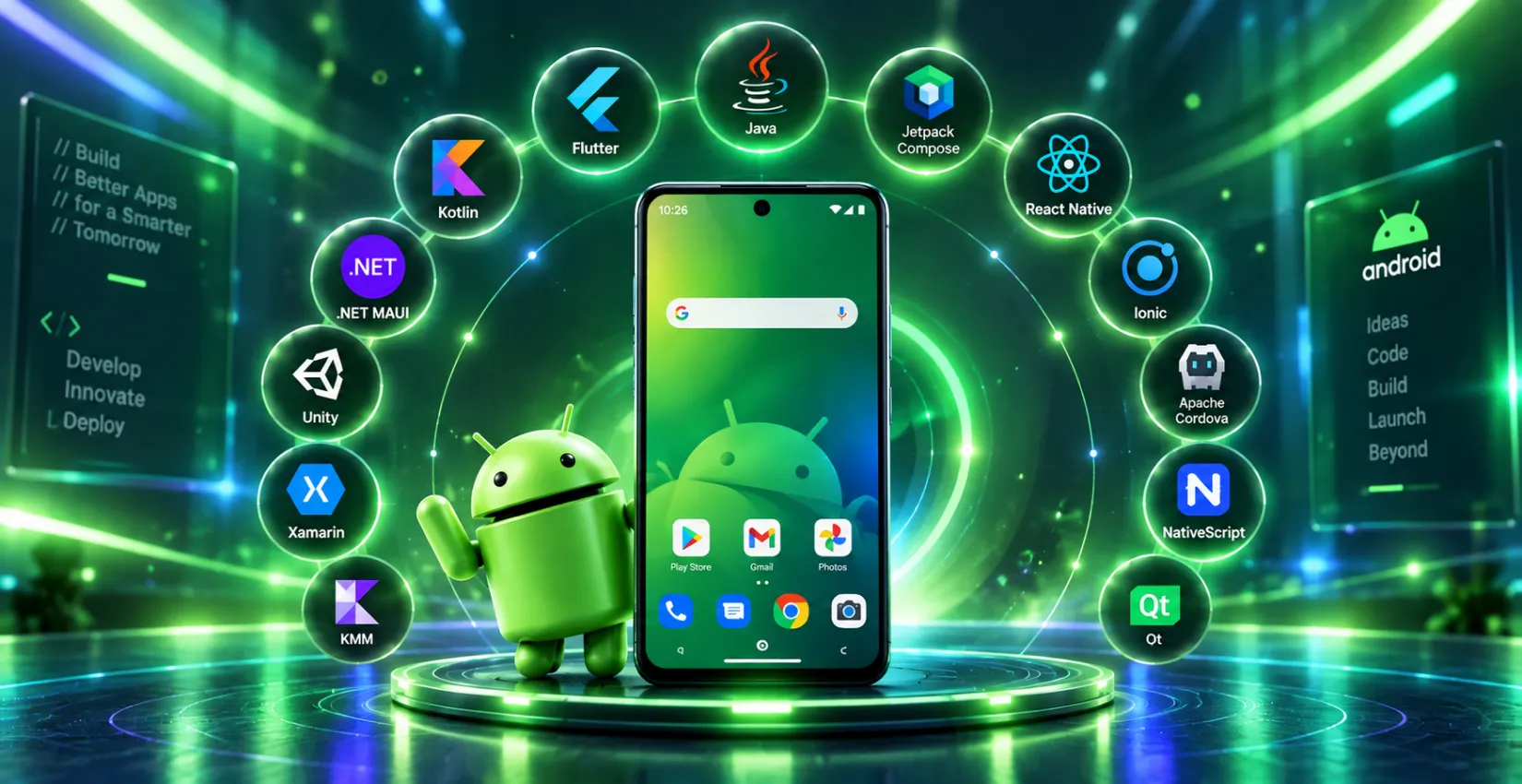
 By
By September 23, 2026