



Looking for a chiropractor app development? But do not have an idea of where to start or what to include in the process. No worries, you are at the right place. Recent healthcare studies show that both young and older populations are increasingly seeking chiropractic care for conditions such as back pain, neck stiffness, and posture-related problems. With the rising demand, having a dedicated app can make it easier for patients to access professional care anytime, anywhere.
A well-designed chiropractor app can offer essential features such as appointment scheduling, teleconsultations, personalized treatment plans, and progress tracking. Beyond patient convenience, it also helps chiropractors manage their practice efficiently by streamlining bookings, patient records, and follow-ups. By integrating modern technology and user-friendly design, such an app not only improves patient engagement but also elevates the overall quality of care and clinic operations.
So, without spending one more minute thinking, what to do next, let’s dive into the chiropractor app development guide, which covers all the necessary information you need for your project.
What is Chiropractor App Development?
A healthcare software development company aids in Chiropractor Application Development. It is done through the process of designing and building a mobile app that allows Chiropractors to provide chiropractic care and manage their practices. These apps can help both patients and practitioners by helping patients schedule appointments, manage treatment plans, process payments, and communicate with practitioners.
They typically have specialized features that are specific to Chiropractic Practice, such as Spinal Health Monitoring Tools or Rehabilitation Guiding Tools. As the number of people using mobile health continues to rise, developing a Chiropractic application is a smart and competitive choice. A well-designed application can help streamline your clinic’s operations and maximize patient satisfaction.
Why Chiropractic Clinics Need Dedicated Apps?
When clinics implement a dedicated app for their operations, their way of management improves dramatically. From managing patient appointment schedules to providing them with better and timely treatment, a sensible chiropractor practice management app can resolve everything.
- Increased Patient Engagement and Adherence
Mobile apps allow clinics to send patient reminders and track their progress in real time. Evidence indicates that the use of mobile health apps enhances patient engagement and adherence rates by as much as 78%. ( Source: Research Paper)
- Enhanced Practice Visibility and Patient Loyalty
Patients today prefer to have digital convenience at their disposal. A mobile app will make your clinic appear more technologically savvy and patient-focused. This will result in greater retention and fewer trips made to other clinics.
- 24/7 Appointment Scheduling
Apps provide patients with a method for scheduling new appointments, as well as cancelling and/or rescheduling existing appointments, at their convenience. This gives patients control over their schedules while allowing clinic staff more time to devote to other important tasks.
- Improved Treatment Monitoring and Results
The use of in-app technology means that patients can log their symptoms, complete exercise plans, and track their recovery from injury through a digital log. Clinic owners will have access to these logs; they will be able to make informed decisions quickly.
- Enables Virtual Consultations & Follow-Up
With a Chiropractor app, clinics can conduct all of their consultations virtually using telehealth features. The addition of AI in healthcare will also allow physicians and clinics to perform indirect evaluations of patients through smart symptom triage.
- Provides Actionable Patient Information
Employing apps to collect data concerning patient behaviors and utilization patterns allows clinics to utilize the collected patient data. This can help them optimize their resources and enhance the quality of care provided.
- Enhances Clinics’ Competitive Advantage
Through collaborating with a chiropractor app development company, clinics get the opportunity to access customized features. They get the options that would not be available through the use of standardized platforms. This provides them with a long-term competitive advantage over their competition.
Overview of the Chiropractic App Market
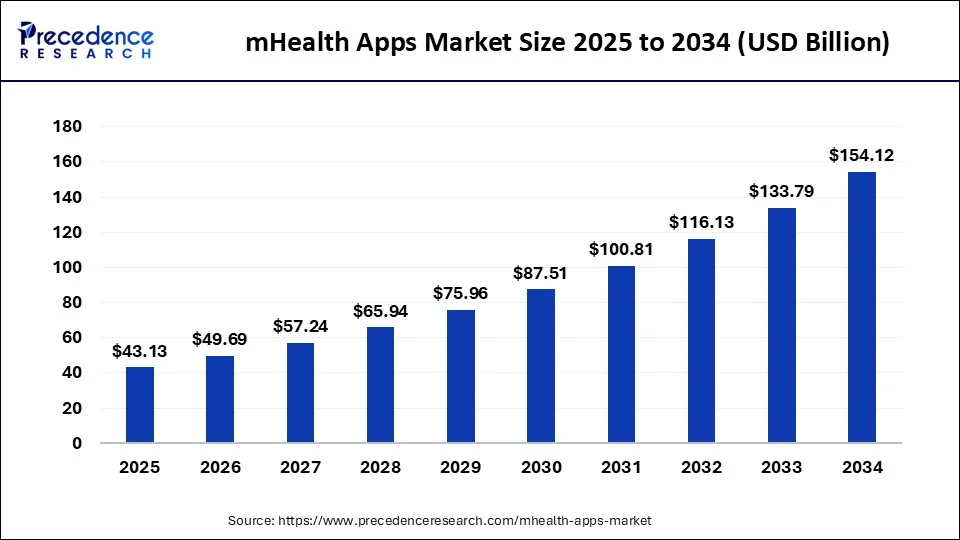
As the world continues to embrace digital health, the chiropractic app market is expected to grow steadily. The global mobile health app market reached almost USD 43.13 billion in 2025, with projected growth nearing 15.20% year-on-year through 2034. This demand will ultimately provide chiropractors with many opportunities to partner with a chiropractic app development agency.
This will give them an in-depth understanding of the specialized clinical workflows within the profession. These targeted functionalities and better patient-centric engagement will provide greater growth to your health clinic.
Types of Chiropractor Apps
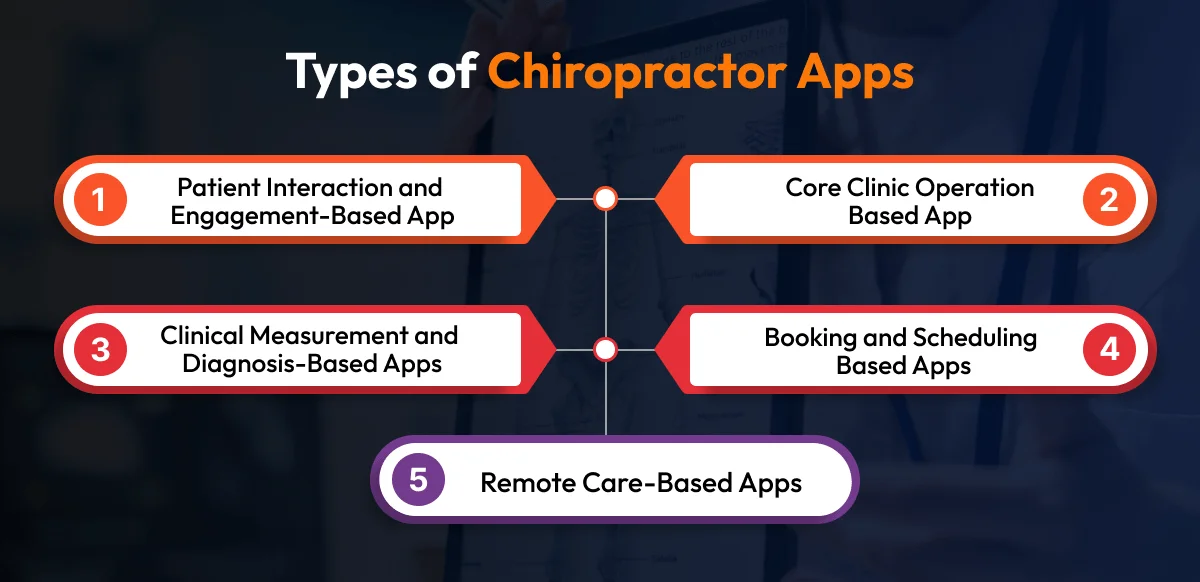
There are many different types of chiropractor apps catering to different clinical and operational needs. By understanding the categories of chiropractor apps, you can make an informed choice about which chiropractor app best suits your business.
- Patient Interaction and Engagement-Based App
This kind of app provides education, reminders, and ongoing communication for patients. This way, patients can stay on track with their care plan and feel physically supported between visits.
- Core Clinic Operation-Based App
These apps are designed to streamline the processes of billing, documentation, and scheduling in your clinic. Many clinics utilize these apps with the help of a trusted medical software development company to create a more seamless administrative workflow for their clinic.
- Clinical Measurement and Diagnosis-Based Apps
These applications assist chiropractors with posture measurement, pain evaluation, and rehabilitation assessment of the patient’s rehabilitation progress. The help improves diagnostic accuracy with personalized treatment plans as well.
- Booking and Scheduling Based Apps
Chiropractic scheduling apps make it easier for patients to schedule their own appointments. They also reduce the number of hours that staff work and improve patient show rates.
- Remote Care-Based Apps
Chiropractic Remote Patient Care Apps allow patients to have follow-up virtual appointments and consults with their chiropractor by utilizing telemedicine technology. They improve patient access to care, which may result in positive health outcomes for patients who live in rural areas.
Core Features of an Ideal Chiropractor App
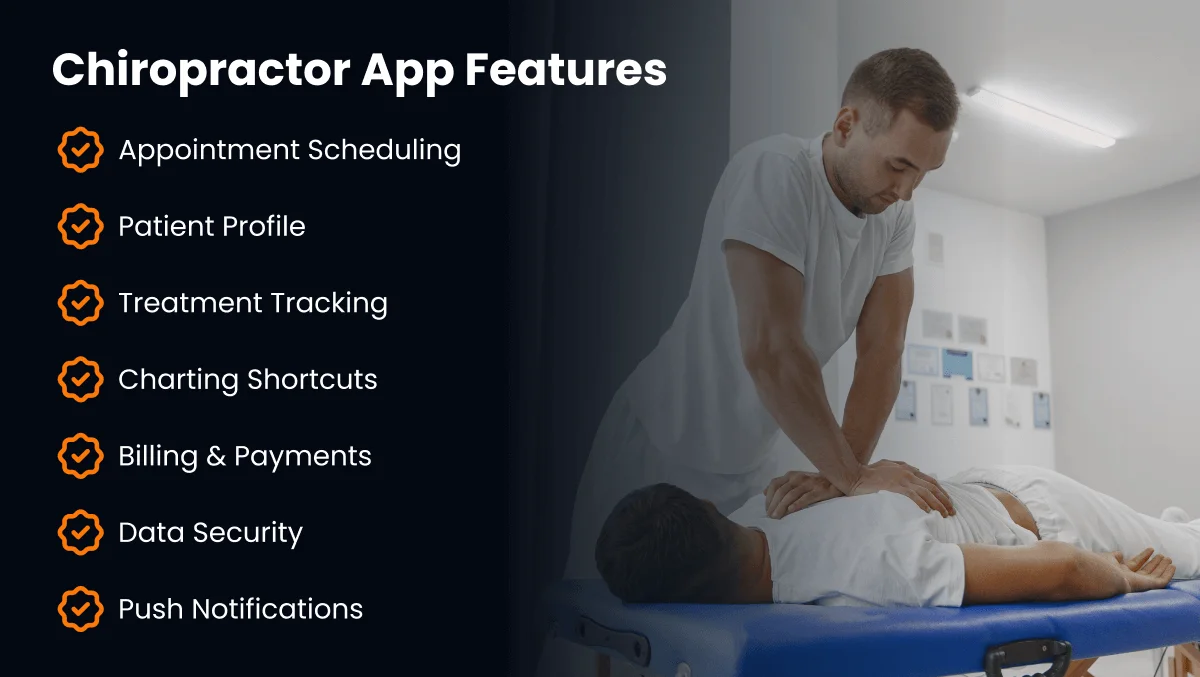
The “Right” Chiropractor’s app will combine both clinical capabilities and patient conveniences for staff and patients. An effective Chiropractic practice management app meets the day-to-day operational needs of the clinic through deploying these core features.
- Appointment Scheduling:
A patient can schedule, cancel, or reschedule an appointment based on the availability of the chiropractor. Automated appointment reminders will reduce no-shows and help the clinician efficiently utilize their time.
- Patient Profile:
A patient profile is a secure way to store a patient’s complete medical history, treatment notes, and preferences. A chiropractor can review a patient’s medical records, make informed decisions about the patient’s care, and develop a plan.
- Treatment Tracking
As a patient progresses through therapy, tracking tools enable the practitioners to understand how well a patient is doing with it. With this information, practitioners can modify their approaches and provide therapy consistently.
- Charting Shortcuts
Digital charting shortcuts make it easier to document visits by using fewer resources to track information. This is allowing a chiropractor to focus more time on interacting with patients.
- Billing and Payments
Integrated billing enables clinics to invoice and receive payments from patients using secure payment gateways. Patients can use online forms to request and receive payment bills easily from clinics with minimal errors.
- Data Security
Strong security measures are implemented to safeguard sensitive patient data through the use of encryption and limited access rights. Compliance with relevant healthcare regulations minimizes the risk of lawsuits for improper handling of patient data.
- Push Notifications
Alerts are a powerful way to remind patients of upcoming treatments, exercises, and follow-up visits. It keeps patients informed of their treatment progress, increasing patient engagement.
Step-by-Step Development of Chiropractor Apps
Creating chiropractic apps requires careful planning, technical understanding, and vision from the start. By aligning business objectives with patients’ needs from the outset, the development process of your app will have less risk, have controlled timelines, and create scalable Chiropractic app solutions that lead to long-term growth.
Step 1: Define What You’re Going to Create
Clearly identify what the primary purpose of the app is, who your target audience is, and what outcomes you expect from the app. By identifying these elements at the outset, scope creep will be minimized, and decision-making will be more centralized on your project goal.
Step 2: Measure Your Clinic Workflow
This includes recording daily operational components, such as scheduling, consultation, billing, and follow-up. The efficiency of the clinic’s workflow will allow the developer to accurately replicate all of the clinic’s offline processes online and create an efficient user experience.
Step 3: Define User Roles, Data Access Control, and Permissions
It is important to define who will be your prime app users (i.e., patients, chiropractors, and administrative staff). This will provide chiropractor app development services with an idea of what types of access levels each type of user should have and what levels of permission each user should have to access data within the system.
Step 4: Create the Chiropractic App Design
Determine the wireframes and user journeys for the chiropractic app based on patient interaction and chiropractor interaction with their practice. Well-designed apps provide a better user experience and cause less confusion.
Step 5: Finalize the Seamless User Interface (UI)
Create a clean visual representation of the UI with consistent navigation for the healthcare app development for chiropractors. A seamless UI will enhance user adoption and reduce the amount of confusion as users are using the app for the first time.
Step 6: Sequentially Arrange the App Features
Organizing the features of the app in order will increase the user experience levels. This will simplify things for them, allowing for improved efficiency and lower levels of frustration.
Step 7: Strengthen Compliance and Security
Ensuring the app’s compliance and security from the beginning via encryption, secure authentication, and the sincere use of blockchain in healthcare. It also mitigates any potential legal ramifications due to a data breach.
Step 8: Launch and Adopt With Time
After custom chiropractor app development, launch an MVP to capture user feedback, along with an iterative and scheduled approach to improving the product. This will both introduce the product to users in a stable manner and also increase the likelihood of acceptance on the part of users for an extended period.
What Does It Cost to Create a Chiropractor App?
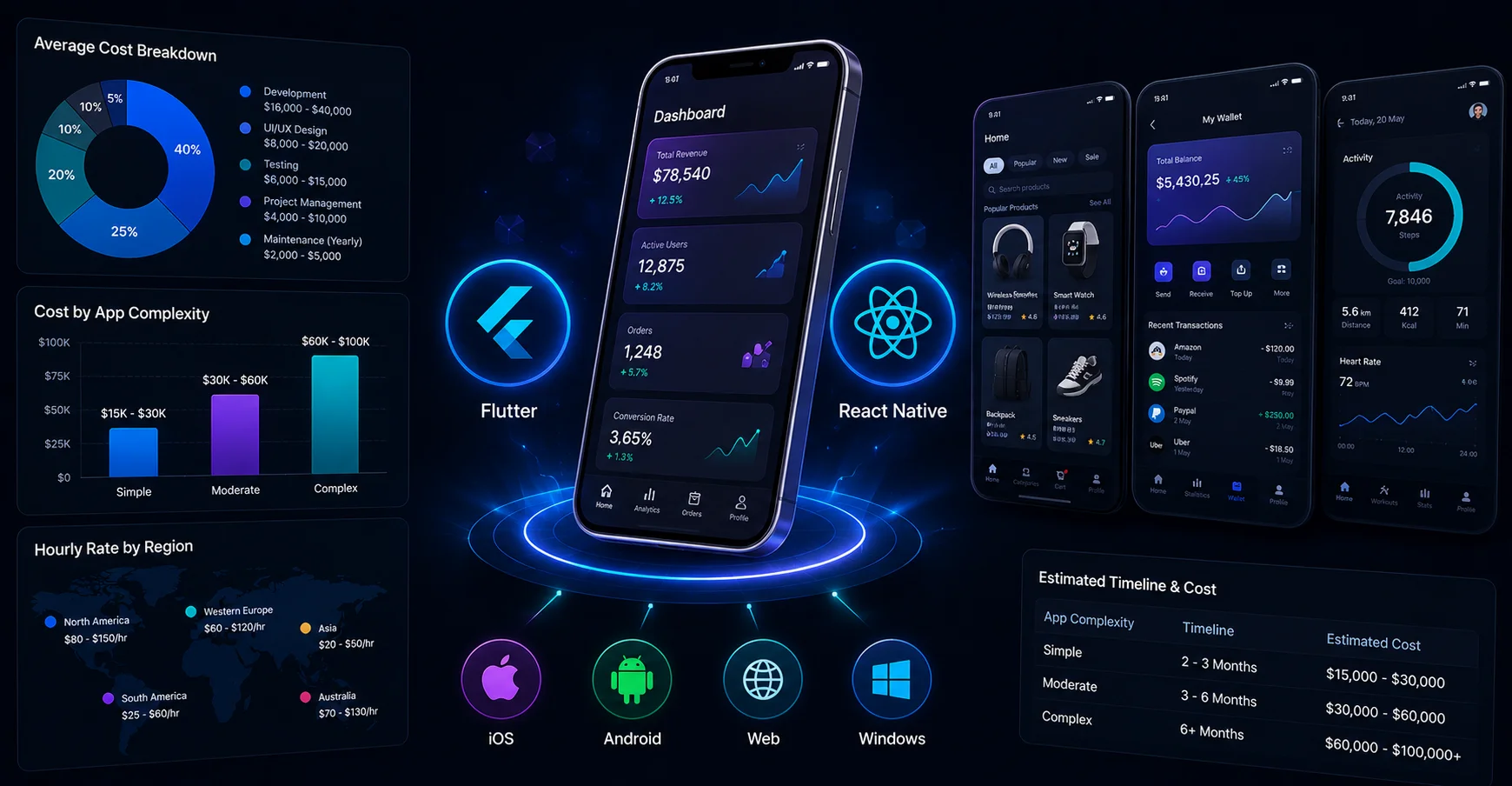
The cost to develop the app and hire chiropractor developers will vary based on requirements, features, compliance, location, and the technical depth of the developer. Planning and requirements gathering will typically cost between $5,000 and $10,000. UI/UX designs can cost anywhere from $8,000 to $15,000, depending on complexity. Finally, core application development, security, compliance, testing, and deployment will run between $30,000 and $60,000, depending on how in-depth this part of the project is.
The initial implementation and introduction of an application into the marketplace will incur an approximate annual budget of $5,000 – $10,000. The development of an app to meet the growing demand is critical to helping clinics financially plan for future expenditure. So, it is essential to have a true understanding of the overall healthcare app development cost, so that any future costs will be realistic and free of unexpected costs.
Chiropractor App Monetization Scopes
Revenue generation supported by data analytics in healthcare allows chiropractor apps to continue producing ongoing value to patients. By creating a plan to generate revenue early in the life cycle of the app, chiropractors can scale their applications with the least amount of effort. Here are monetization scopes that you can explore;
- Premium patient features and advanced tracking tools through subscription plans.
- Virtual consultations and expert sessions for follow-up services.
- In-app fee-based payment systems for both appointment booking and prioritized scheduling.
- Referenced wellness content sponsorship and partner advertising.
- Affiliate sales for rehabilitation tools and other health and wellness products.
Conclusion
Chiropractors have no choice but to embrace a mobile-first environment through dedicated apps. As more clinics adopt digital solutions, the ability to connect with patients improves significantly, whether it’s through seamless appointment scheduling, personalized care plans, or real-time communication. This shift not only enhances patient engagement but also boosts operational efficiency, helping practices save time, reduce errors, and scale with confidence.
Looking ahead, the impact of agentic AI in healthcare will make this transformation even more compelling. From automating routine tasks to delivering smarter, data-driven patient insights, AI-powered chiropractor apps will redefine how care is delivered. Clinics that invest in this technology today won’t just stay relevant; they’ll lead the future of patient-centric, intelligent chiropractic care.
FAQs
Chiropractors can possibly mobile application as their primary tool for getting the patient engaged, organizing appointments, and personalizing the treatment giving them the best performing practices that are also in the competition.
The features to be mainly in the app are booking for appointment online, patient profiles, history of treatments, reminders, chats in the app, telehealth support, payment integration, and analytics dashboards for managing the clinic.
The pricing is usually a range of $15,000 to $60,000+, with the amount depending on the complexity of the app, what features it has, the design, and using advanced technologies like AI or automation.
The minimal viable product can be made in 8–12 weeks while the full-featured app may take up to 3–5 months, depending on the needs for customization and compliance.
The effect of agentic AI in healthcare gives rise to possibilities like more intelligent, data-driven care for clinics through smarter automation, predictive scheduling, personalized treatment plans, and faster patient support.
It is safe if it is done through the right way. A HIPAA-compliant architecture coupled with encrypted data storage, secure authentication, and regular security audits is a set of strategies employed by a professional development team to safeguard patient information.


 Get in Touch
 By
By October 16, 2026