


Key Highlights
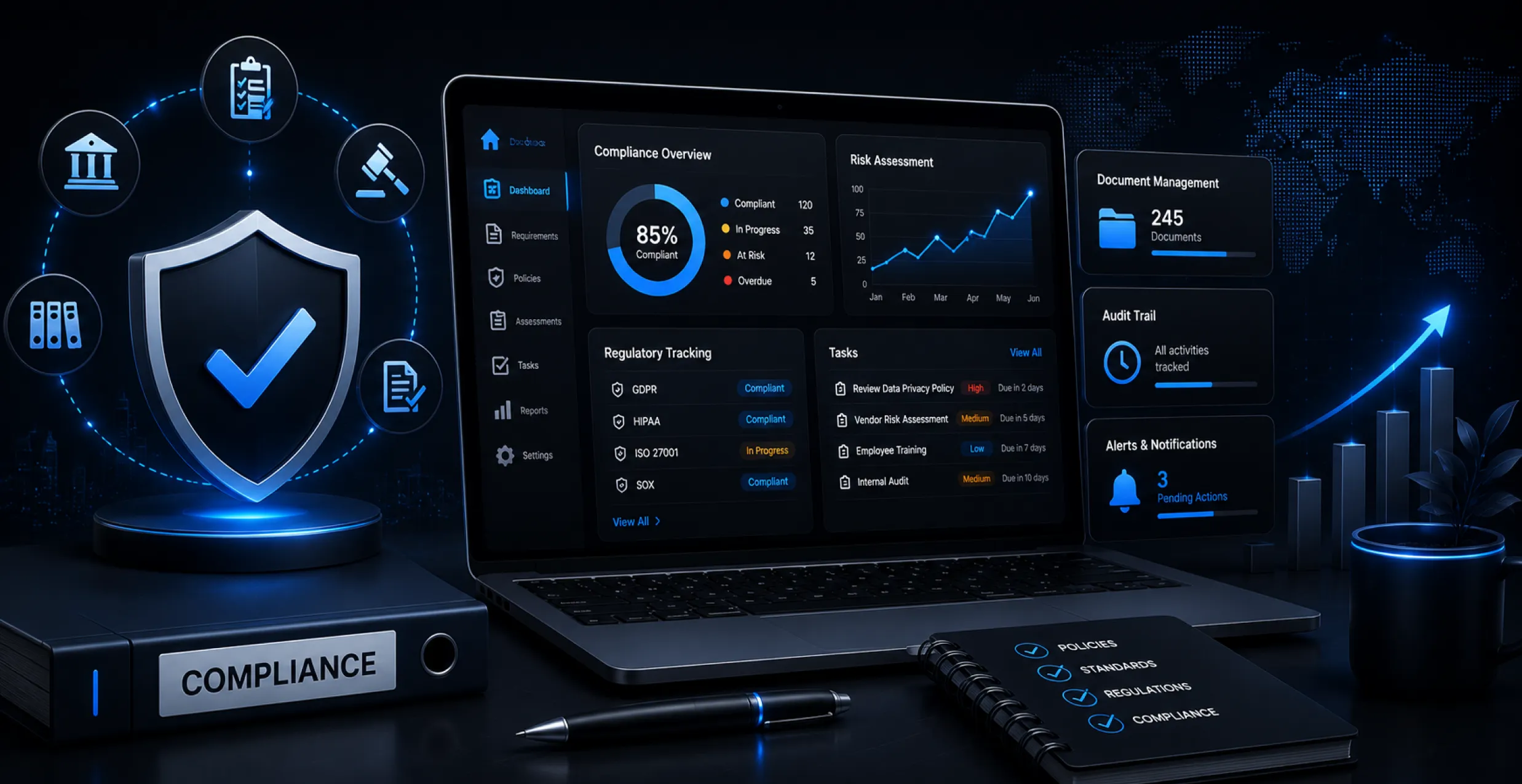
- Compliance management software takes over regulatory tracking, policy enforcement, and audit workflows. So teams do less manual chasing and avoid a lot of the non-compliance risk for modern businesses.
- In this blog, we cover the main features and different types. Along with the whole development process of the compliance management system development. Furthermore, it’s a bit more involved than people first assume.
- We also outline the compliance management software development cost across phases, regions, and team roles. Besides that, there are various complexity levels because pricing never sits in one neat box.
- You’ll see practical industry use cases, from healthcare to fintech. Also, you’ll notice how compliance tools handle sector-specific headaches, not just “generic requirements.”
- We will do the build vs. buy discussion in this guide. In furtherance, we talk about how AI is reshaping compliance automation software toward smarter and more proactive governance.
- Key Highlights
- What Is Compliance Software and Why Is It Important for Modern Businesses?
- Types of Compliance Management Software
- What Are the Key Features of Compliance Software?
- Benefits of Developing a Compliance Management Software
- 5 Most Selected Compliance Management Software Solutions
- Step-by-Step Compliance Management Software Development Process
- How Much Does Compliance Management Software Development Cost?
- Essential Tech Stack Required in Compliance Management Software Development
- Industry-Oriented Use Cases of Compliance Management Software
- What Is the Role of AI and ML in Compliance Management Software?
- Challenges That Occur While Developing Compliance Management Software
- Build vs. Buy: Which Compliance Management Solution Is Right for Your Business?
- Why Do Organizations Choose Octal IT Solution as Their Compliance Software Platform Partner?
- Final Words
- Frequently Asked Questions
Is your business keeping up with regulatory change, or are you stuck in that endless catch-up loop? With rules getting stricter across virtually every industry. Compliance management software has gone from a “nice-to-have” to something business-critical.
If you operate in fintech, healthcare, or enterprise IT, the right compliance software can reduce regulatory risks. This blog covers what you need, including features, development costs, and the key things to consider before you build or buy.
What Is Compliance Software and Why Is It Important for Modern Businesses?
Compliance software is a digital solution that helps organizations to track, manage, and enforce adherence to regulatory requirements. Also, the internal rules and industry standards swap out manual, error-prone processes for structured automation.
Why it matters:
- The compliance management software market was valued at USD 33.1 billion in 2024 and is projected to hit USD 75.8 billion by 2032. It is growing at a CAGR of 10.9%, mostly because regulation is getting more complex. Meanwhile, corporate governance expectations keep rising. (Source – Verified Market Research)
- Regulatory frameworks like GDPR, HIPAA, and SOX. As well, CCPA calls for ongoing monitoring that manual efforts just can’t sustain.
- Cloud-based deployment still dominates adoption because it provides real-time visibility. Also, it has the capacity for growth that on-premise systems can’t easily match.
Types of Compliance Management Software
Every industry faces different regulatory demands. And picking the right compliance management solutions determines how well your team can manage risk while still meeting obligations.
1. Regulatory Compliance Software
This tracks specific legal and sector requirements like GDPR, HIPAA, or SOX. It connects regulatory updates to internal controls in an automated way, after which it highlights gaps in real time.
2. Audit Management Software
Audit management software helps with the whole journey. From planning and evidence gathering to final reporting and follow-up correction work. This cuts down on a bunch of manual coordination across teams, which typically costs time.
3. Policy Management Software
With this solution, you centralize policy drafting, handle version control, manage employee acknowledgment, and distribute policies. It makes sure every stakeholder is on the same page with the newest internal rules and operating procedures.
4. Risk and Compliance Management Software
It merges risk identification, evaluation, and compliance tracking into one flow; it holds everything together. Teams can prioritize high-risk areas and allocate resources more effectively.
5. IT Compliance Software
This one is mostly about data safety, access controls, and infrastructure governance. IT compliance software supports standards such as ISO 27001, SOC 2, and PCI-DSS. Through the use of automated evidence gathering and built-in reporting.
What Are the Key Features of Compliance Software?
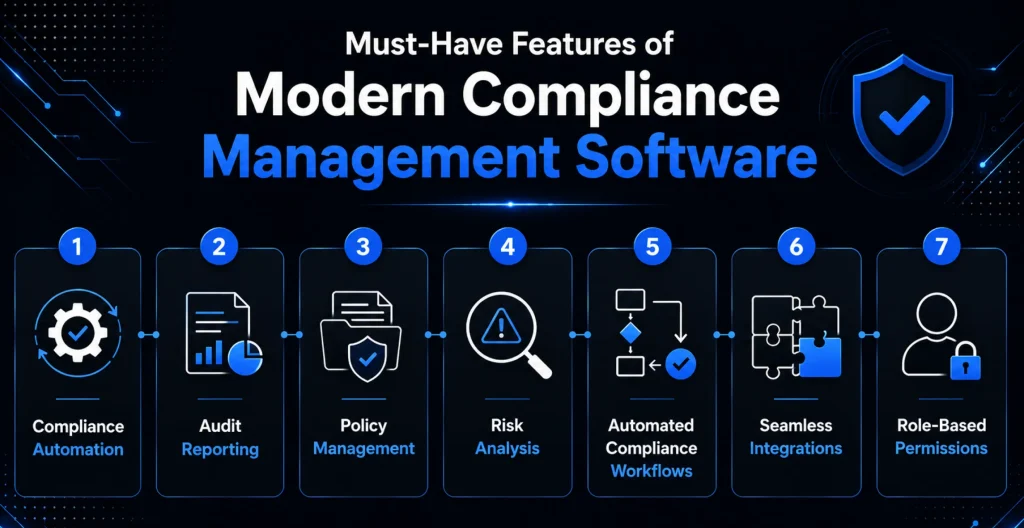
The right features decide if compliance software turns into a real business partner. Or if it becomes yet another thing your team works around. Below are seven capabilities that tend to matter most.
1. Automated Compliance Monitoring
Keeps an eye on regulatory changes and internal policy adherence all the time. It triggers alerts when something drifts out of line, so you do not have to run manual checks across multiple frameworks.
2. Audit Trail and Reporting
Records every action, adjustment, and call with time stamps and user references. Compliance reporting software afterward produces audit-ready output on request, reducing preparation time significantly.
3. Policy and Document Management
Keeps policies stored, versioned, and shared across the whole organization. Employees can acknowledge documents digitally, while administrators are able to track completion progress in one centralized dashboard.
4. Risk Assessment Tools
It merges risk identification, evaluation, and compliance tracking into one flow, like you’re just keeping it together, even if it appears a bit compressed. It holds everything in one place. Teams can focus on the high-risk areas first and then allocate resources a lot more effectively.
5. Compliance Workflow Automation
This one is mostly about data safety, access controls, and infrastructure governance. IT compliance software supports standards such as ISO 27001, SOC 2, and PCI-DSS. It does that through automated evidence gathering and reporting that’s built in, so the process is a lot less manual.
6. Integration Capabilities
Connects with ERP, HRMS, and security systems to automatically pull compliance-relevant data. That reduces duplication and helps ensure everything lands in a single “source of truth” for governance.
7. Role-Based Access Control
Limits document and data access based on user roles and responsibility levels. In regulated industries, this is extremely critical because sensitive compliance information should be visible only to authorized personnel.
Benefits of Developing a Compliance Management Software
When you develop custom compliance software for your organization, you get advantages over off-the-shelf tools. Especially if your regulatory environment is complicated or if you’re in a specific industry with unusual expectations.
1. Reduced Compliance Risk
Custom compliance monitoring software spots gaps before they grow into bigger problems. Proactive alerting can lower the chances of regulatory violations, penalties, and systemic disruptions.
2. Operating Efficiency
Automation reduces repetitive work, allowing teams to focus on risk analysis and strategic decisions. Along with actual decision-making instead of getting stuck in manual documentation or constant data gathering.
3. Flexibility Across Jurisdictions
Custom-built systems can expand smoothly as your organization walks into new markets or runs into unfamiliar regulatory frameworks. One platform can handle multiple regional requirements at the same time without doing the same work twice.
4. Centralized Visibility
With one dashboard, leadership gets near real-time visibility into compliance status across all business units. Decisions move faster, and they are better informed when information does not sit in separate departmental silos.
5. Cost Savings Over Time
There is an upfront compliance software development cost. But avoiding penalties and audit failures drives a stronger long-term ROI. Also, custom software removes recurring licensing fees that come with multiple vendor tools.
6. Competitive Advantage
Organizations that build solid compliance infrastructure tend to gain credibility with partners, investors, and regulators. This matters a lot in areas like fintech or healthcare, where trust is a market differentiator.
5 Most Selected Compliance Management Software Solutions
The compliance software market has several proven platforms. When you know the leading tools, it becomes easier for businesses to benchmark. For example, what custom compliance management software development should achieve.
1. MetricStream
A top GRC platform used by big enterprises worldwide. MetricStream handles audit management, policy management, and regulatory compliance in one highly configurable system.
2. SAP GRC
This integrates straight into SAP ERP environments. SAP GRC automates access controls, risk management, and regulatory reporting. So, it seems like a natural fit for businesses that are already deep in the SAP ecosystem.
3. IBM OpenPages
An AI-driven governance, risk, and compliance platform. IBM OpenPages uses machine learning to uncover compliance risks and then suggests actions across messy and connected enterprise setups.
4. NAVEX Global
Focused mostly on ethics and compliance management. NAVEX Global offers policy management, hotline reporting, and training tools. It’s specifically built for organizations that care a lot about corporate culture and conduct risk.
5. Workiva
Well known for integrated reporting and audit workflows. Workiva brings together financial data, audit evidence, and compliance documentation inside one platform, which makes it popular in regulated financial services.
Step-by-Step Compliance Management Software Development Process
Making compliance software needs a methodical approach. Every development stage affects how the finished system behaves when it’s under real regulatory conditions.
Step 1: Requirements Gathering and Regulatory Mapping
Start by figuring out which regulations, frameworks, and internal policies the software is supposed to support. You want to pull in compliance officers, legal teams, and IT stakeholders early, like before any real coding happens, so the full scope is collected properly, even the “edge” stuff that people forget.
Step 2: System Architecture and Tech Stack Selection
An architecture that can actually handle scale, security, and all the integration pieces. The choices here, cloud vs. on-premise and microservices vs. monolith, will end up coloring every later phase in a chain-reaction way.
Step 3: UI/UX Design
After that, design dashboards and workflows so that even technical non-compliance staff can use them without getting stuck or feeling lost. A common problem is that a clunky user experience leads to these compliance tools getting less use after deployment
Step 4: Core Development and Integration
Now build the core modules, monitoring, reporting, audit trails, and workflow automation. Then connect everything to existing enterprise systems, like ERP, HRMS, and identity management platforms.
Step 5: Testing, Security Audits, and Deployment
Finally, run functional testing, penetration testing, and regulatory compliance audits before go-live. Once it’s released, keep watching with ongoing monitoring so you catch weird behavior early, especially when regulations evolve or change over time.
How Much Does Compliance Management Software Development Cost?
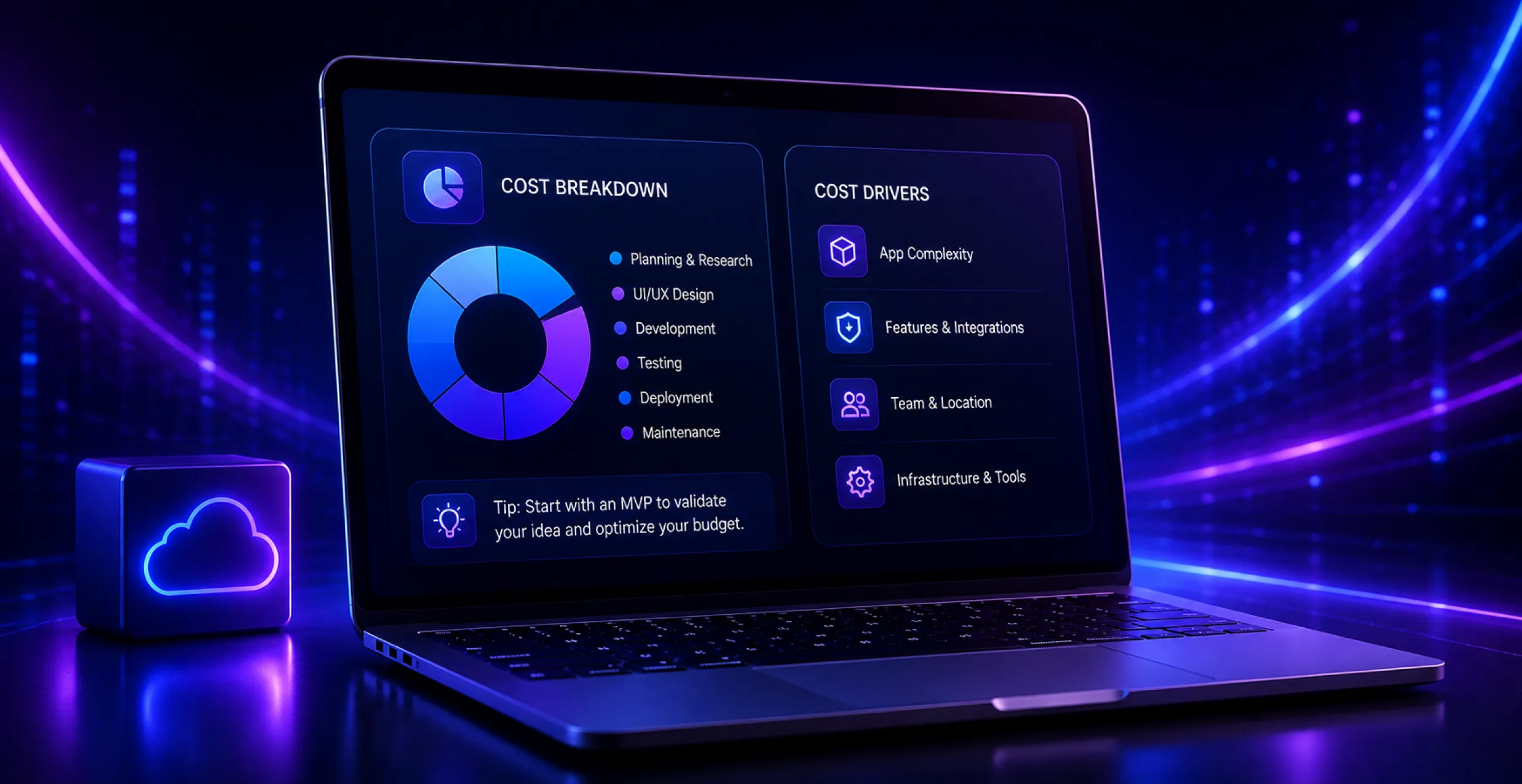
The compliance management software development cost can vary a lot. The cost will depend on team structure, geographic area, how complex the project is, and which stage you’re in. Below you’ll find four cost breakdown tables to help you plan it more accurately.
Table 1: Cost Based On Development Phase
| Development Phase | Estimated Cost (USD) |
| Discovery & Requirements Gathering | $5,000 – $15,000 |
| UI/UX Design | $8,000 – $20,000 |
| Core Development | $40,000 – $150,000 |
| Integration & API Development | $10,000 – $30,000 |
| Testing & QA | $8,000 – $25,000 |
| Deployment & Launch | $5,000 – $15,000 |
| Maintenance & Support (Annual) | $10,000 – $40,000 |
Table 2: Cost by Project Complexity
| Complexity Level | Estimated Cost (USD) |
| Basic | $20,000 – $50,000 |
| Mid-Level | $50,000 – $120,000 |
| Advanced | $120,000 – $300,000+ |
Table 3: Cost As Per Team Role (Hourly Rates)
| Role | US/Canada (USD/hr) | Eastern Europe (USD/hr) | South Asia (USD/hr) |
| Project Manager | $80 – $150 | $40 – $70 | $20 – $45 |
| Backend Developer | $90 – $160 | $45 – $80 | $25 – $50 |
| Frontend Developer | $80 – $150 | $40 – $75 | $20 – $45 |
| QA Engineer | $60 – $120 | $30 – $60 | $15 – $35 |
| UI/UX Designer | $70 – $130 | $35 – $65 | $18 – $40 |
| Security/Compliance Specialist | $100 – $180 | $50 – $90 | $30 – $60 |
Table 4: Cost According to Development Region
| Region | Average Hourly Rate | Total Project Estimate (Mid-Level) |
| North America | $100 – $180/hr | $150,000 – $300,000 |
| Western Europe | $80 – $140/hr | $100,000 – $220,000 |
| Eastern Europe | $40 – $80/hr | $60,000 – $130,000 |
| South Asia (India) | $20 – $50/hr | $30,000 – $80,000 |
| Southeast Asia | $25 – $55/hr | $35,000 – $90,000 |
Essential Tech Stack Required in Compliance Management Software Development
Choosing the right tech stack is essential for compliance software. It must provide strong security, scale easily, and support complex enterprise integrations. You want the stack to keep data integrity front and center and do real-time processing cleanly. Additionally, make every action traceable and auditable in every layer, too.
| Layer | Technologies |
| Frontend | React.js, Angular, Vue.js |
| Backend | Node.js, Python (Django/FastAPI), Java (Spring Boot), .NET |
| Database | PostgreSQL, MySQL, MongoDB, Microsoft SQL Server |
| Cloud Infrastructure | AWS, Microsoft Azure, Google Cloud Platform |
| Validation & Security | OAuth 2.0, SAML, LDAP, Multi-Factor Identification (MFA) |
| API & Integration | REST APIs, GraphQL, Webhooks, Middleware (MuleSoft, Apache Kafka) |
| AI/ML | TensorFlow, PyTorch, Scikit-learn, OpenAI APIs |
| Reporting & Analytics | Power BI, Tableau, Apache Superset, custom dashboards |
| DevOps & CI/CD | Docker, Kubernetes, Jenkins, GitHub Actions |
| Compliance & Security Standards | SOC 2, ISO 27001, GDPR modules, HIPAA-compliant storage |
Industry-Oriented Use Cases of Compliance Management Software
Compliance challenges are not generic; they vary sharply by industry. Custom compliance management systems tend to deliver way more value. When they’re structured around the exact frameworks and controls. Moreover, the day-to-day workflows that people in that sector use.
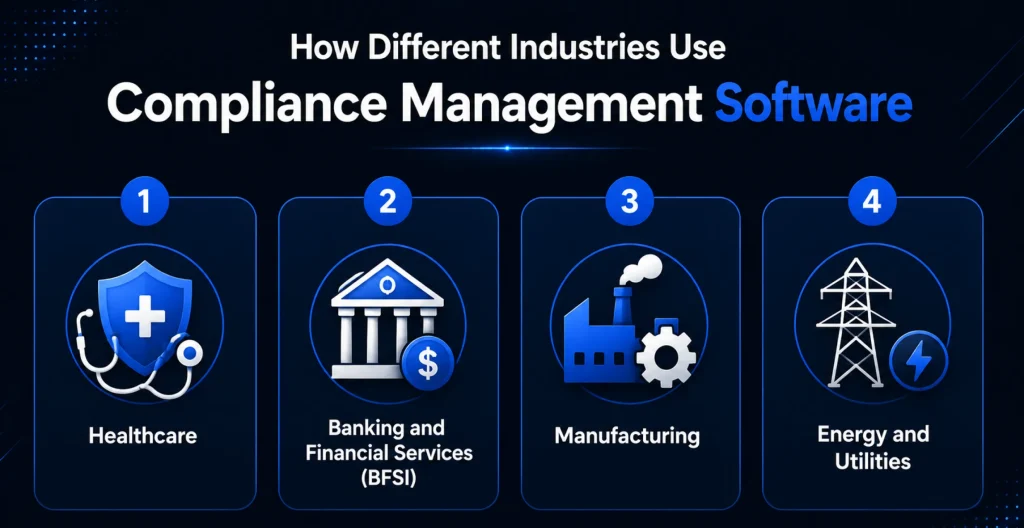
1. Healthcare
Hospitals and health networks tend to run compliance software to cover HIPAA requirements and store patient consent records. Additionally, maintain clinical audit trails. Automatic alerts help catch access violations early, before they turn into incidents.
Note: If you are looking for healthcare software development services, connect with the experts who can provide you with all services with assurances.
2. Banking and Financial Services (BFSI)
Banks use regulatory compliance software to manage AML checks, KYC verification, and Basel III reporting. Such automation replaces those manual spreadsheet-based processes, which can be error-prone and difficult to audit later.
3. Manufacturing
Manufacturers typically rely on compliance tools to handle environmental regulations, workplace safety standards, and product quality certifications. And with real-time monitoring in place, the chances of suffering costly production shutdowns due to non-compliance fall.
4. Energy and Utilities
Energy companies use compliance tracking software to manage greenhouse gas reporting, environmental impact assessments, and grid safety regulations. Centralized dashboards eventually give executives a real-time view of regulatory status across multiple facilities.
What Is the Role of AI and ML in Compliance Management Software?
AI and machine learning are reshaping compliance from something reactive into a more proactive, intelligent routine. AI-powered compliance management software helps lower human error, and it boosts decision-making speed.
1. Predictive Risk Detection
ML models analyze past compliance information, and they look for recurring signals that tend to show up before violations. Then teams can step in early, before a regulatory breach happens, instead of dealing with one that already occurred.
2. Automated Regulatory Change Monitoring
AI scans regulatory archives and government announcements in near real time. When the platform updates the relevant controls automatically. Moreover, AI also helps in alerting compliance owners about the actions.
3. Natural Language Processing for Policy Analysis
NLP tools can pull out compliance duties from dense legal papers and connect those obligations to internal workflows. This ends up reducing the manual workload of interpreting new standards or dealing with cross-jurisdictional rules.
4. Automated Report Generation
AI compiles compliance data together from multiple sources. After that, it spits out audit-ready reports with very little human input. It cuts report setup time from days to hours. Especially in those big enterprise setups where everything is complicated and overlapping.
5. Smart Workflow Routing
AI-based compliance workflow automation routes tasks, escalations, and approvals to the proper stakeholders automatically. But it also does it using risk level, jurisdiction, and policy demands. So there is no need for manual triage.
Challenges That Occur While Developing Compliance Management Software
Enterprise software development comes with a few distinct techniques. It also comes with organizational headaches that teams should expect early on. If you don’t plan for them from the start.
1. Complex System Integrations
Compliance software has to hook up with ERP, HR, and security systems. These are not consistent in data formats and protocols. When integration goes sideways, it leaves those ugly data gaps, which can erode how dependable compliance tracking is.
2. Data Security and Privacy Requirements
Compliance systems process sensitive organizational and personal information. Trying to satisfy security baselines such as SOC 2, ISO 27001, and GDPR all at once. As well, it brings extra tangles to the overall design, especially around architecture, storage, and access management decisions.
3. User Adoption
Compliance tools are frequently overlooking or only lightly used. Because the workflows appear complicated to people who are not technical. So usability and functionality both need to designe together. Otherwise, even a well-made product ends up being useless in real life.
4. Ability to Scale Across Business Units
Something that works for one department, or one region, might fail when you expand to the full enterprise. If you start with modular and adjustable architecture from day one. By doing so, you avoid costly rework later as the user base and regulatory scope grow.
Build vs. Buy: Which Compliance Management Solution Is Right for Your Business?
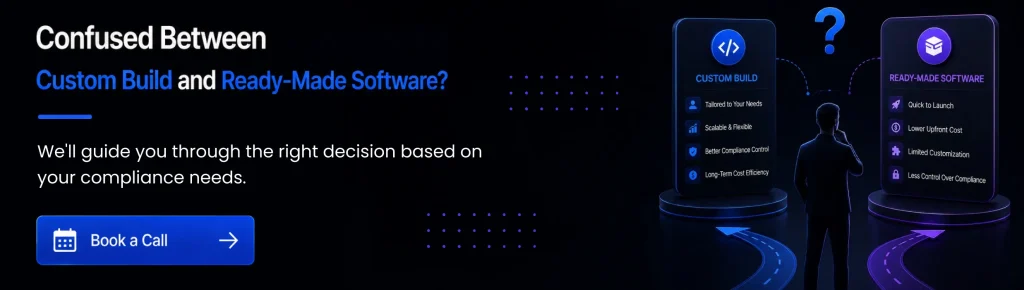
The choice between building custom compliance management software and buying an off-the-shelf platform. It depends on how big your organization is, regulatory complexity, and what your long-term roadmap looks like. Here is a direct comparison.
| Factor | Build (Custom Development) | Buy (Off-the-Shelf) |
| Upfront Cost | Higher ($30K–$300K+) | Lower (subscription-based) |
| Long-Term Cost | Lower (no recurring license fees) | Higher (per-user/annual fees) |
| Customization | Fully tailored to your needs | Limited to vendor features |
| Implementation Time | Longer (3–12 months) | Faster (weeks to a few months) |
| Regulatory Fit | Built precisely around your frameworks | May require workarounds |
| Scalable | Designed for your growth trajectory | Depends on vendor roadmap |
| Integration | Custom-built integrations | Pre-built connectors (may be limited) |
| Maintenance | In-house or outsourced partner | Vendor-managed |
| Best For | Complex, regulated, or multi-jurisdiction enterprises | SMBs or organizations with standard compliance needs |
Why Do Organizations Choose Octal IT Solution as Their Compliance Software Platform Partner?
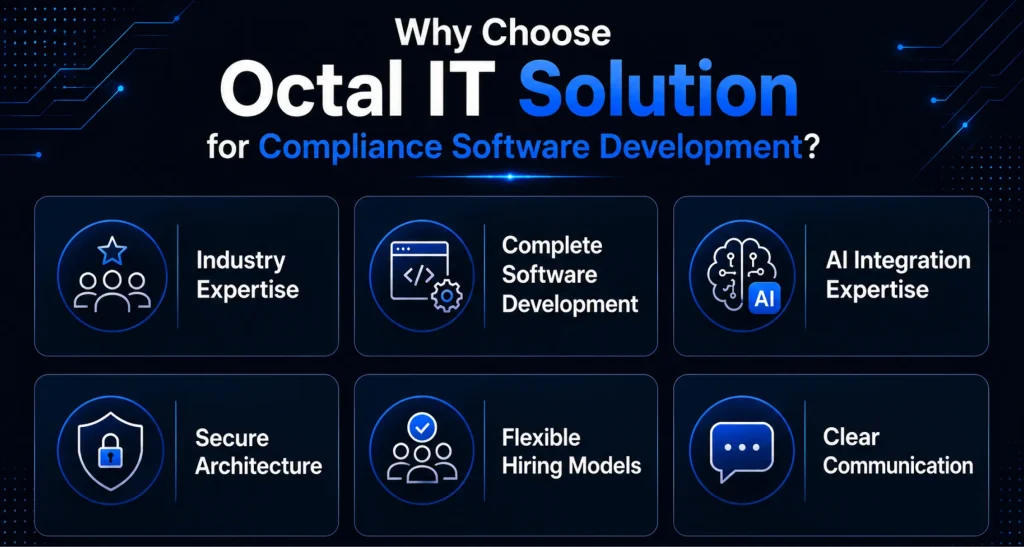
When you’re developing custom compliance management software, you need a partner. An AI development company that can handle both the engineering load and the regulatory sensitivity of the whole space. Octal IT Solution blends deep domain understanding, proven enterprise delivery habits, and a hands-on approach. Such a requirement helps keep your compliance software built right and built to last.
- Domain-Proven Expertise: Our team provides compliance and governance solutions across all industries. Such frameworks include HIPAA, GDPR, SOX, and ISO 27001.
- End-to-End Custom Software Development: From discovery and architecture right through to deployment and continuous maintenance. We run the full development lifecycle under one roof.
- AI Integration Capability: We integrate AI-powered compliance management features such as predictive risk detection, automated monitoring, and smarter reporting.
- Security-First Architecture: Every system we build follows security by design principles. That means built-in access controls, encrypted data processing, and audit trail integrity from day one.
- Flexible Engagement Models: Whether you want a dedicated team or a fixed-price project. Also, staff augmentation extends what you already have; we adjust to your delivery preference.
- Transparent Communication: We work with visible milestones, steady progress reporting, and direct access to your project team, so you’re not guessing about development standards.
Final Words
Compliance is no longer only a legal obligation; it is a strategic business function. Whether you’re looking at custom software development services for the first time, you need to connect with industry experts. The best system can dramatically reduce risk and make operations more transparent. This will help your organization move forward with confident growth.
From core compliance management software features and the development costs to AI capabilities and the build vs. buy discussion. This guide essentially went over the critical considerations. So, are you ready to build a solution that fits your exact needs? Work with a highly experienced custom software development team, one that truly understands the tech side and the compliance environment.
 By
By September 23, 2026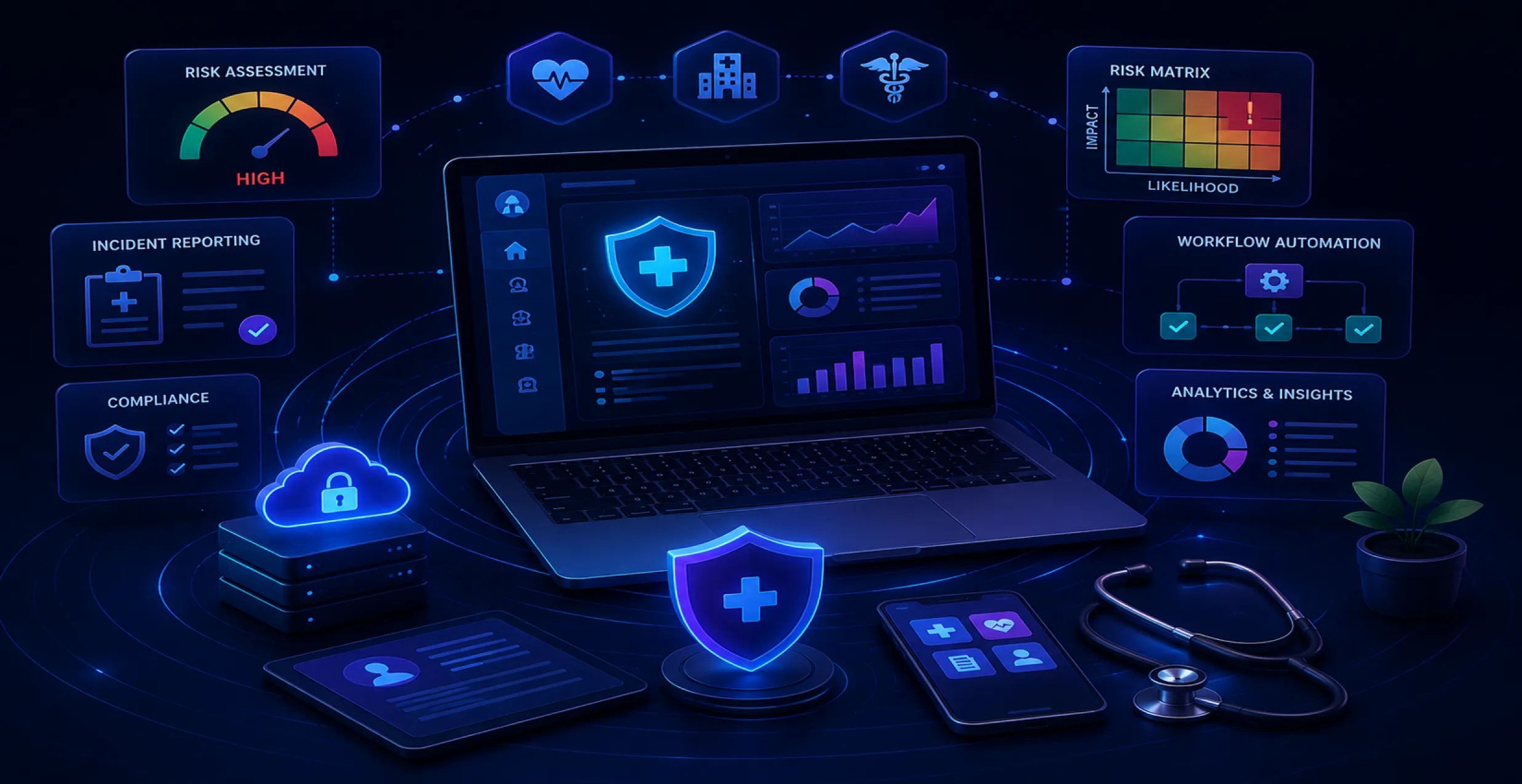




 Get in Touch