



Are you interested in developing a personal medical records app? If you are, then this guide will definitely be helpful.
As everyone knows, the blockchain transforms the healthcare sector and this is continuously growing because anyone wants to make their life healthier, and for tracking the records, these shorts of applications will help them. A Personal Medical Records App is a digital solution that is designed to help people manage their health information.
In this blog, you will discover everything about personal medical records apps like what they are, their features, the list of popular healthcare apps, the personal medical records app development process, the cost to build personal medical records app, relevant revenue models, and technologies which are used to develop personal medical records apps.
But wait, we will start with some amazing market stats about the personal medical records app. Before developing the app, you have to be sure about your decision.
Let’s begin!
Market Stats of Personal Medical Records App
The market for personal medical records apps is anticipated to grow significantly in upcoming years, with day-by-day growing demand for digital health solutions, increased patient awareness, and global initiatives supporting digital health record systems.
The personal health record app is an important tool in the global Electronic Health Records (EHR) market that stood at more than $29 billion in the year 2021 and is expected to grow steadily at 4.5% CAGR till 2030. The advancement of the cloud-storage approach will permit users to freely manage their health records securely and conveniently from anywhere.
Regionally, the North American region is the leading market; governments in countries such as the United States are providing programs, such as the HITECH Act, to encourage the use of EHRs to improve quality and reduce cost of care. Europe and Asia-Pacific also have growth both in the private and public sectors of healthcare as digital health technologies increase their integration.
According to Mordor Intelligence, The Electronic Medical Records (EMR) Market size is estimated at USD 32.82 billion in 2024 and is expected to positively reach USD 42.10 billion by 2029, growing at a CAGR of 5.11% during the forecast period (2024-2029).
What is a Personal Medical Records App?
The Personal Medical Records App is a digital tool that helps people collect, organize, and keep track of all their health information in one place. In this app, users can safely keep records like doctor’s notes, prescriptions, lab results, vaccination details, and other important health documents on the user’s phone or any other device.
Such an app will facilitate a user’s ability to view, access, and share it with their doctors or family members if required and keep- it trackable over time. A Personal Medical Records App with features such as data privacy, reminders, and secure sharing provides the user control over their health data while keeping it safe and accessible.
Explore Our Services: Telemedicine App Development
Features to be Considered in Personal Medical Records App Development
When you make up your mind to develop personal medical records app, then you should be aware of the features that are important to integrate at the time of development. These features can increase the app’s functionality, making it a valuable application for users to manage their personal health records securely and efficiently. Choose the best features and consider them while developing such an app.
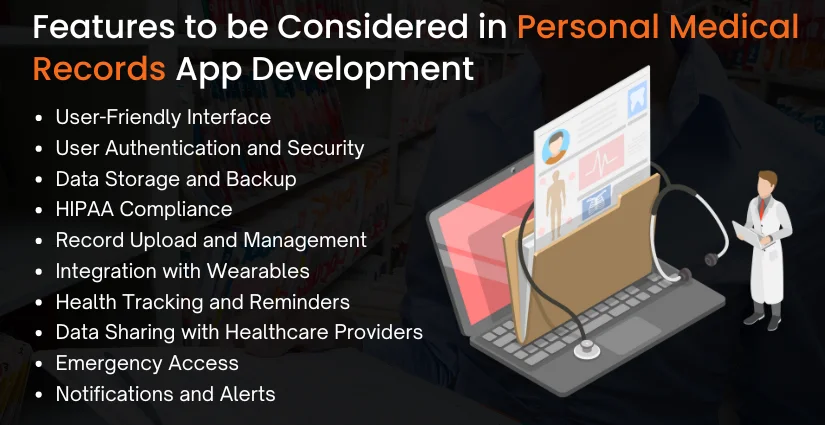
Here are key features to consider when developing a Personal Medical Records App:
User-Friendly Interface
A user-friendly interface is the most prioritized feature in the healthcare app industry. A simple, intuitive design ensures that users of all ages can navigate the app, upload documents, and organize their health records without confusion.
User Authentication and Security
User authentication and security are the most important features because users want secure login options like passwords, biometrics (fingerprint or face ID), and two-factor authentication to ensure that only authorized users can access their sensitive medical data.
Data Storage and Backup
Data storage and backup features are needed for everyone because users want to save their data for years. The app should offer secure cloud storage to save medical records and regular backups to prevent data loss. This keeps user information safe and accessible from anywhere.
HIPAA Compliance
HIPAA compliance features ensure the app complies with data privacy laws, like HIPAA in the US or GDPR in Europe, to protect users’ medical information and gain trust. This feature plays an important role in these kinds of applications.
Record Upload and Management
Record upload and management features allow users to easily upload, view, and manage their medical records. This feature can include scanned documents, lab results, prescriptions, and vaccination records, helping users keep everything in one place.
Integration with Wearables
Integration with wearables feature is helpful for users because it allows integration with popular wearables (like the Fitbit or Apple Watch) to automatically sync health data. This feature adds value to the app, and with the help of this feature, users can track their health continuously and conveniently.
Health Tracking and Reminders
Health tracking and reminder features are needed in this kind of application. This feature helps to track vital health metrics like blood pressure, heart rate, or glucose levels. Reminders for medication, upcoming appointments, or health checkups also add great value to the app.
Data Sharing with Healthcare Providers
Data sharing with healthcare providers is the best feature because it enables users to securely share their records with their doctors or family members. This feature can save time during appointments and improve medical care by providing accurate health history.
Emergency Access
The emergency access feature allows users to share critical health information, such as allergies, blood type, and medications, with emergency responders.
Notifications and Alerts
Notifications and alerts are the most important for these apps because of this feature; users should receive alerts for new uploads, updates to shared records, or reminders. This makes it easy to stay on top of their health records and appointments.

Trends Anticipating Personal Health Records
Now more than ever, new technological advancements and modernization of healthcare systems will push personal health records toward being more empowered and patient-centred. Below are some major trends suggested by a custom mobile application development services provider that are shaping the future of PMR apps:
1. AI Health Insights
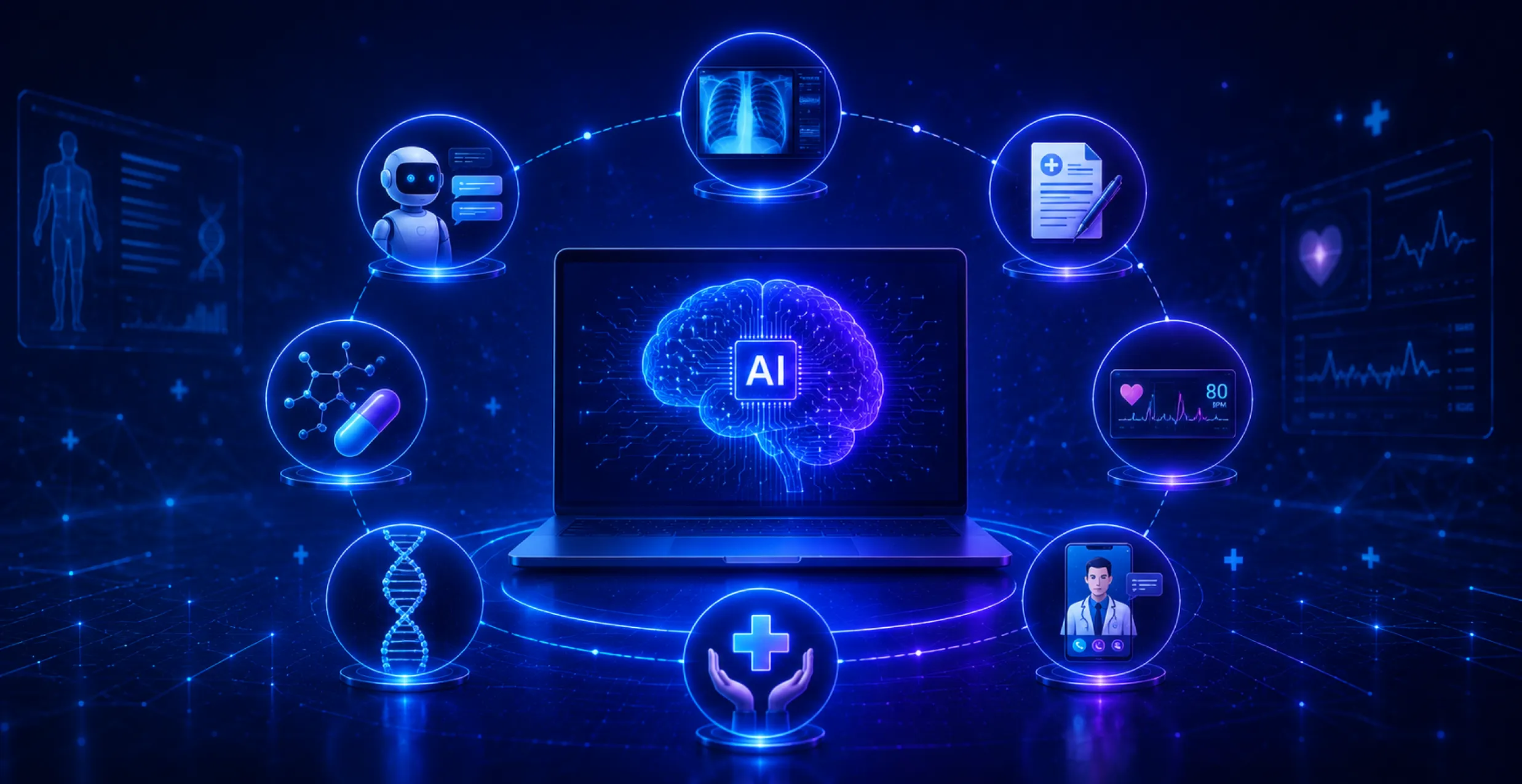
AI will analyze users’ medical history, wearable data, and health behaviours to provide predictive insights, individualized wellness suggestions, and early risk detection.
2. Blockchain Security
With blockchain technology, users gain control over the data in decentralized and tamper-proof health records, hence securing and trusting themselves with digital health systems.
3. IoT & Wearable Integration
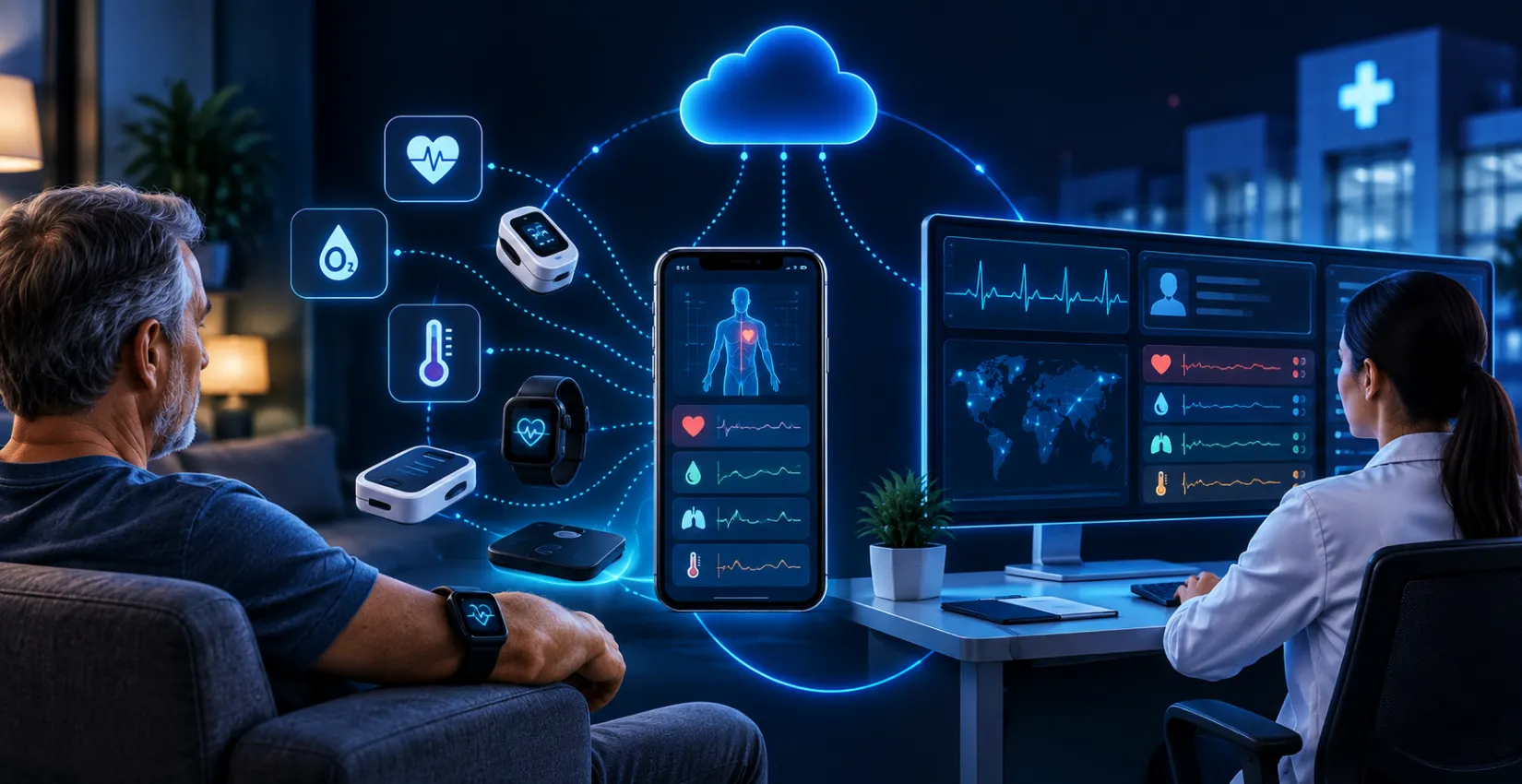
More syncing of PMR apps will be with wearable devices like smartwatches and fitness trackers, and home monitoring tools like glucose monitors or ECG devices for real-time health monitoring.
4. Unified Health Systems
Future apps will enable seamless data exchange among hospitals, clinics, pharmacies, and insurers for a complete 360-degree view of health for users.
5. Voice-Enabled Management
Integration of voice assistants within PMR apps will allow users to update health records, set reminders, and even request health summaries by issuing voice commands.
6. Enhanced Patient Interaction
Aside from physical health, more PMR apps will be capturing mental health records and therapy notes, along with data for stress tracking and assessments for emotional well-being.
7. Genomics & Personalized Medicine
With genomics expected to soon become mainstream, it is expected that PMR apps will offer these genetic data integrated with healthcare recommendations tailored to individual DNA profiles.
8. Virtual Health Coaches
Apps will have a virtual AI-powered coach for guiding the user through fitness, nutrition, medication adherence, and chronic disease management.
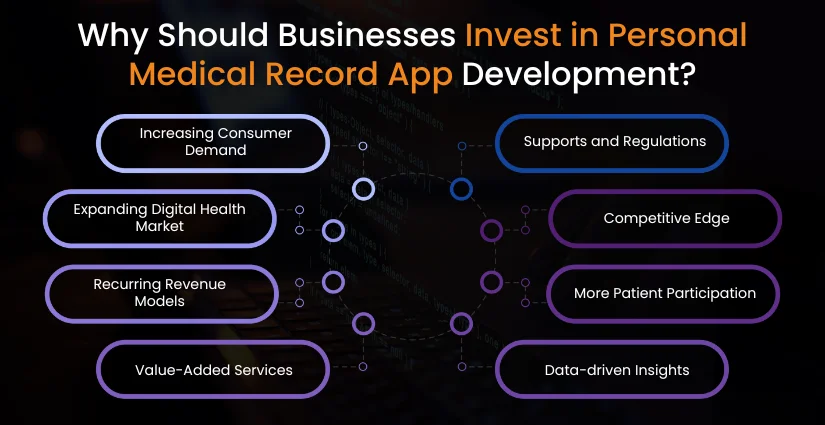
Why Should Businesses Invest in Personal Medical Record App Development?
The apps in digital health are changing fast, and Personal Medical Record applications lead in the very transformation process. Here are some reasons why an organization should invest heavily in developing personal medical record apps by consulting a mobile app development company:
1. Increasing Consumer Demand
Patients want control over their health information, and the PMR apps allow the end-user to access as well as to manage, and share health data anytime. And this is precisely the reason why there are going to be more users using it.
2. Expanding Digital Health Market
The global digital health market is expected to exceed the 900 billion dollar mark by the year 2030. Personal medical record apps constitute one of the highly crucial segments with tremendous opportunities and revenues for growth.
3. Recurring Revenue Models
PMR applications reap continuous income through subscriptions, freemium models, collaborations with caregivers, insurance companies, and data-driven services.
4. Value-Added Services
Businesses can additionally include other services like online consultations, medication reminders, insurance services, along wellness programs. All these together would widen the actual service ecosystem and revenues.
5. Supports and Regulations
An increasing number of countries are encouraging the introduction of digital health records through supportive policies and incentives, thus setting an environment for businesses.
6. Competitive Edge
9A sturdy app in PMR goes a long way in making a business a pioneer in the healthcare technology industry as opposed to traditional companies and players who still lag in their digital transformation.
7. More Patient Participation and Loyalty
A good health record application will again keep users engaged and create trust, thereby building longer relationships for the brand.
8. Data-driven Insights
Using de-identified health data (with compliance to regulations), companies can gain valuable insights that help in strategic decision-making, mobile app development, and marketing.
Top Personal Health Record Apps You Should Know About
Several personal medical record apps have changed how one can engage with their health information. Below follows an analysis of some of the most successful apps:
1. Apple Health
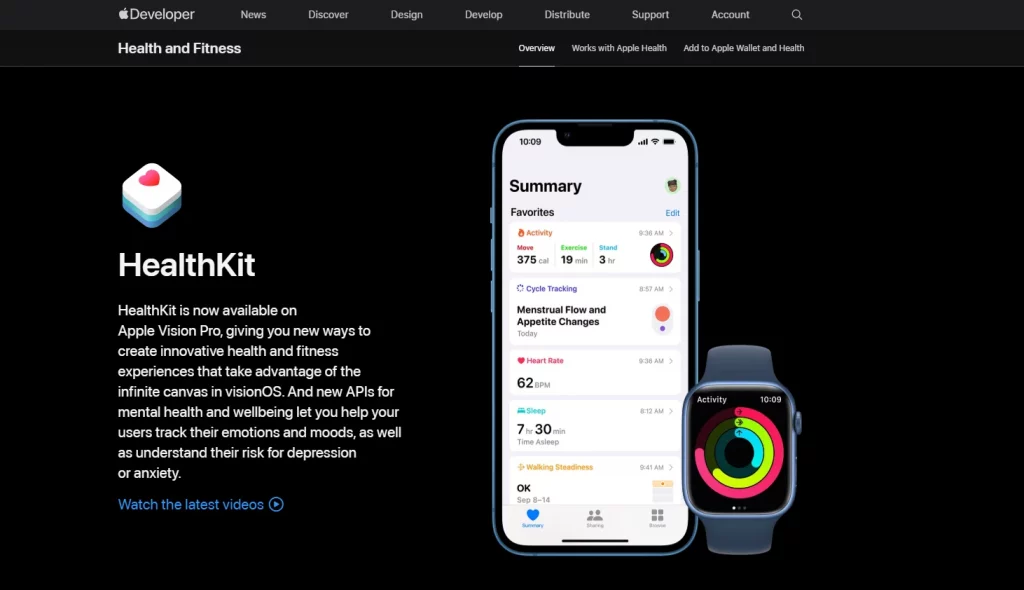
Apple Health is a built-in app for iOS users that gathers health data from iPhones, Apple Watches, and connected health devices or apps. It provides a centralized place for users to view and manage their fitness, wellness, and medical data.
Key Features:
- Consolidation of data from multiple sources for health, such as fitness trackers, hospitals, and labs.
- Access to health records is available from participating healthcare organizations.
- Records heart rate, steps taken, duration of sleep, menstrual cycles, and other health parameters.
- Tracks medications and alerts for any critical updates.
Success Point:
The most significant strength of Apple Health is the integration into hospitals and health systems through the Health Records feature without compromise to privacy; health data is encrypted and is only accessible by the user.
2. MyChart (by Epic Systems)
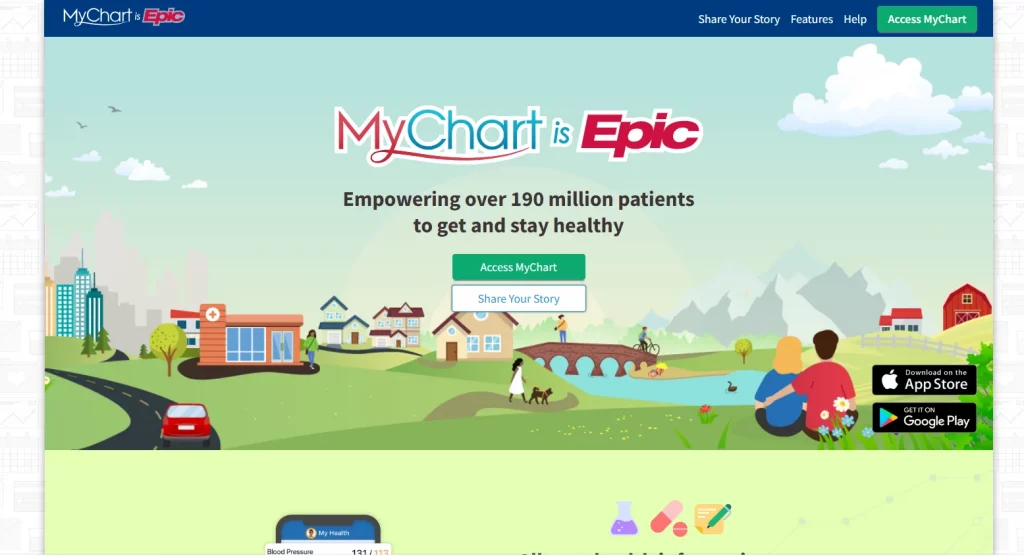
MyChart allows patients to access their health records, view test results, message doctors, and manage appointments all from their mobile devices. It is widely used across hospitals and healthcare organizations in the USA.
Key Features:
- Secure access to lab results, immunization history, and medications.
- Scheduling appointments and conducting video consultations.
- Bill payment and insurance management features.
- Direct messaging with healthcare providers for quick consultations.
Success Point:
MyChart’s success lies in its strong hospital network adoption (Epic is one of the largest Electronic Health Record providers) and its patient-friendly interface. It helps patients stay continuously connected with their healthcare providers.
3. Healow (by eClinicalWorks)
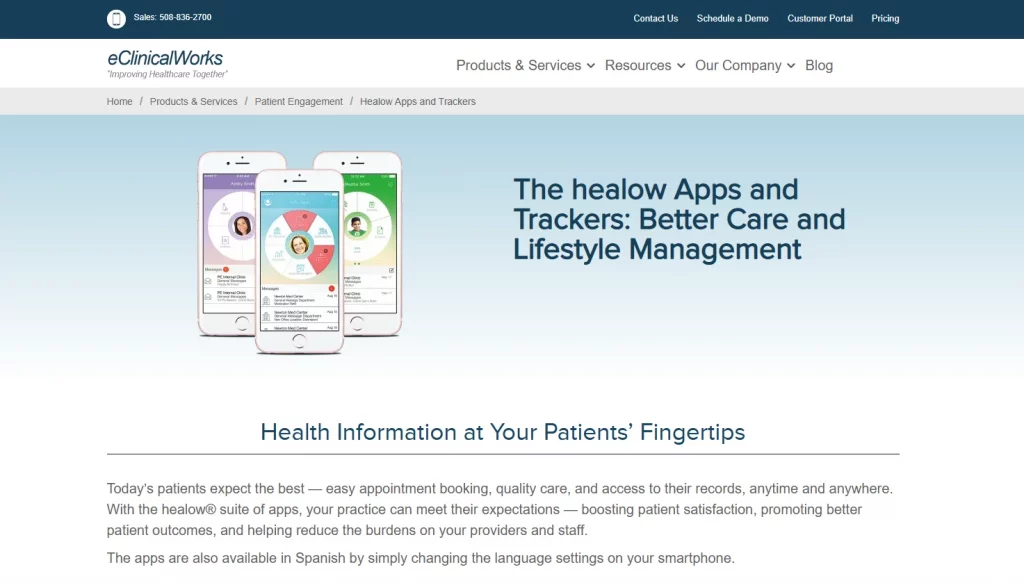
Healow (an acronym for Health and Online Wellness) is a patient engagement platform linking users with their doctors or medical history to allow real-time health tracking.
Key Features:
- Access to personal health records across different providers.
- Telemedicine support with integrated virtual visits.
- Customizable health goals and activity tracking through connected devices.
- Appointment reminders and medication refill alerts.
Success Point:
Healow excels in interoperability-allowing users to bring data in from many healthcare providers into one view. In addition, the real-time monitoring keeps patients engaged in their health journey.
4. CareZone

The team behind CareZone believes that complicated medication management for patients with chronic conditions or those with a medley of prescriptions must be made simple. Apart from medication management, it is also a vault for other significant health-related documents.
Key Features:
- Medication lists with pictures of every pill and instructions.
- Automated reminders for medications and alerts to refill prescriptions.
- Care journal to enter symptoms and health notes.
- For storage: insurance cards, IDs, and important documents.
Success Point:
The major strength of CareZone is its great design focusing on end users, particularly elderly users and their caregivers in charge of managing the health of others. The software is straightforward and easy to use, preferred by customers managing multiple prescriptions.
5. GoodRx
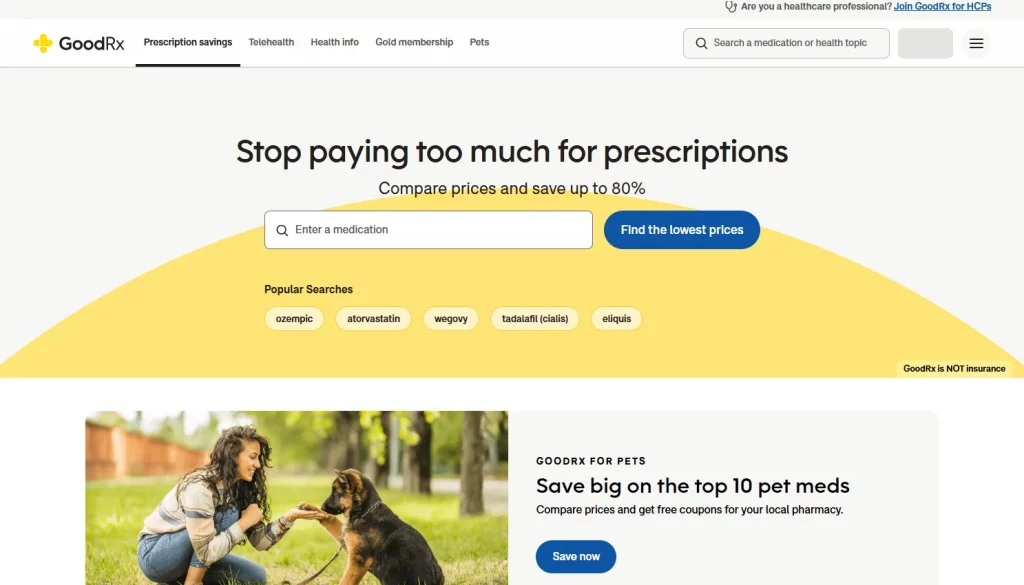
Initially built to help users find lower prescription drug prices, GoodRx has expanded into offering telehealth consultations and basic health tracking, thereby becoming an emerging player in digital health records.
Key Features:
- Compare prescription prices at local pharmacies.
- Discounts and coupons for medications.
- Telehealth services for basic medical consultations.
- Health profile management to track prescriptions and health conditions.
Success point:
GoodRx’s advantage lies in making healthcare affordable by providing transparent pricing and huge savings on prescription medications. It plays a bridging role between traditional healthcare and affordable digital health services.
10 Best Personal Medical Records Apps to Manage Your Health
In the app market, there are many applications available that are considered for personal medical records. As we cover some of the popular healthcare applications and with them, we make a table to showcase the app’s rating, platform availability, country, and the launch year of the app.
Here’s a table of popular personal medical record apps:
| App Name | Rating | Platform | Country | Launched Year |
| MyChart | 4.5/5 | iOS, Android | USA | 2008 |
| MDCalc Medical Calculator | 4.8/5 | iOS, Android | USA | 2005 |
| Apple Health | 4.7/5 | iOS | USA | 2014 |
| CapzulePHR | 4.1/5 | iOS | USA | 2011 |
| Healow | 4.6/5 | iOS, Android | USA | 2013 |
| Medisafe Medication Management | 4.7/5 | iOS, Android | Israel | 2012 |
| CareZone | 4.4/5 | iOS, Android | USA | 2012 |
| Doctor On Demand | 4.6/5 | iOS, Android | USA | 2013 |
| GoodRx | 4.8/5 | iOS, Android | USA | 2011 |
| Zocdoc | 4.8/5 | iOS, Android | USA | 2007 |
| MTBC PHR | 4.3/5 | iOS, Android | USA | 2010 |
| Amwell | 4.5/5 | iOS, Android | USA | 2006 |
| Be Healthy – Medical Records | 4.2/5 | iOS | Canada | 2018 |
| mySugr | 4.7/5 | iOS, Android | Austria | 2012 |
| Talkspace | 4.4/5 | iOS, Android, Web | USA | 2012 |
Personal Medical Records App Development Process
We are at the core point of the “personal medical records app development process.” If you plan to develop personal medical records app, then you must be worried about the steps, such as which steps you need to follow to build personal medical records app. Yes, as per your concern, we cover the entire development process in simple steps. You just need to follow the steps and not need to worry about anything.
This process helps build a reliable and secure app for managing personal medical records efficiently. Here’s a short and simple outline of the personal medical records app development process:
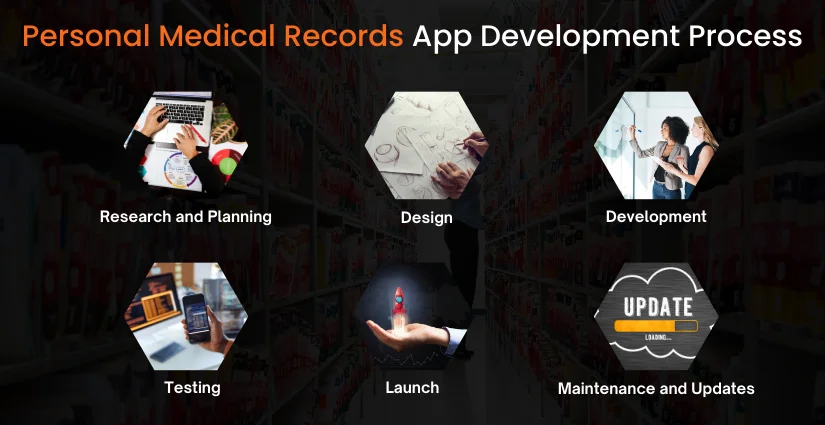
1. Research and Planning
Initially, you have to research and plan for your project. Understand audience needs and legal requirements for health data. After research, you have to make a list of essential features like data storage, security, and sharing options that you want to integrate into the app.
2. Design
After research and planning, you have to go to hiring mental health app developers for your project and create a user-friendly and accessible app layout. With the team, you have to focus on easy navigation, clear data display, and simple options for uploading and viewing medical records.
3. Development
After the design part, it’s time to develop personal medical records app. Your hired developers will build the app’s main functions, such as secure data storage, file uploading, sharing, and user authentication. Prioritize data privacy and encryption.
4. Testing
After compilation of personal medical records app development, the app is ready for testing. Your potential team will test the app for security, functionality, and ease of use. Check that the entire app meets all data protection standards (e.g., HIPAA compliance in the US).
5. Launch
Last but not least, the app is finally ready for launch. After successfully testing your app release on app stores or Play Store (relevant platform), start marketing it to potential users like patients, doctors, and clinics.
6. Maintenance and Updates
Finally, after launching the app, you just need to maintain it and make regular updates according to the market and the demands of your users. Your mental health app development company will add more or less things as per your concern. Regularly update the app to improve features, fix bugs, and ensure it remains compliant with any new healthcare regulations.
Note: You can also have options to develop other applications related to this industry, such as medicine ordering app development and meditation app development.
Cost to Develop Personal Medical Records App
The personal medical records app development cost depends upon multiple factors, and significantly, the app is based on its complexity—Basic, Advanced, or Complex. There are many factors like features, complexion, developers’ experience, locations, technologies, platforms, and many more things. The fact is each and every factor affects the overall cost. Let’s differentiate the categories:
- A Basic app includes essential features like record storage, secure logins, and basic API integration.
- Advanced apps include more interactive features, such as advanced data visualizations, in-app messaging, and additional security.
- Complex apps add high-level functionalities like AI-driven insights, real-time health monitoring, and multi-device sync with medical devices.
Every type of app requires skilled professionals across roles with higher expertise and experience. So, let’s discover the table for developing a personal medical records app, broken down by role and complexity level: Basic, Advanced, and Complex.
| Role | Basic App | Advanced App | Complex App |
| Project Manager | $5,000 – $8,000 | $8,000 – $12,000 | $12,000 – $18,000 |
| UI/UX Designer | $3,000 – $6,000 | $6,000 – $10,000 | $10,000 – $15,000 |
| Front-end Developer | $8,000 – $12,000 | $12,000 – $18,000 | $18,000 – $25,000 |
| Back-end Developer | $10,000 – $15,000 | $15,000 – $25,000 | $25,000 – $40,000 |
| API Integration | $3,000 – $6,000 | $6,000 – $10,000 | $10,000 – $15,000 |
| Database Administrator | $5,000 – $8,000 | $8,000 – $12,000 | $12,000 – $18,000 |
| QA & Testing | $4,000 – $8,000 | $8,000 – $12,000 | $12,000 – $18,000 |
| Security Specialist | $6,000 – $10,000 | $10,000 – $15,000 | $15,000 – $25,000 |
| DevOps Engineer | $3,000 – $5,000 | $5,000 – $10,000 | $10,000 – $15,000 |
| Total Estimated Cost | $47,000 – $78,000 | $88,000 – $134,000 | $144,000 – $189,000 |
Checkout More: Role of IOT in Healthcare

Revenue Models
If you are ready to create personal medical records app, then you must think about revenue, like how this app makes money once you invest in this project. So yes, for this concern, there are many revenue models available in the market. You have to choose a suitable monetization strategy, apply it to your application, and start earning.
Discover these simple revenue models for a Personal Medical Records App:
1. Subscription Model
The subscription model is one of the best revenue models because, in this model, users just need to pay a monthly or yearly fee for premium features like unlimited storage, advanced data analysis, or secure data sharing with healthcare providers.
2. Freemium Model
The freemium model is the ideal one for all of these category apps because, in this kind of application, users get full access to basic features, and if users want to get advanced features access, then they have to buy or purchase the premium version of the app.
3. In-App Ads
In-app ads are a good idea for personal medical records apps because, with this revenue model, users get ads on their display at the time they use the app from healthcare brands or products, generating revenue whenever users view or click on them. Ads can be limited to keep the user experience smooth.
4. Partnering with Healthcare Providers
Partnering with healthcare providers is the best revenue model; with the help of this app, owners can collaborate with hospitals or clinics, who pay a fee to use the app’s platform to manage patient records.
5. Data Insights Sales
Data insights sales are also a preferable revenue model because, with user consent, they provide anonymized data insights to healthcare companies or researchers, helping them improve services and treatments.
6. Medical Product Referrals
Medical product referrals are the ideal revenue model because, with the help of this model, app owners earn a commission by recommending health-related products or services, such as health insurance or telemedicine subscriptions, directly in the app.
Note: These models help make the app sustainable while offering valuable services to users and healthcare providers alike, and through these monetizing strategies, you can earn a good amount of money.
Visit Also: AI Mental Health Assistant App Development
Technologies Used in Personal Medical Records App Development
In developing a personal medical records app, multiple technologies are used to ensure seamless functionality, user-friendly interfaces, and robust security. For a better understanding, we create a table detailing primary technologies that are used in personal medical records app development. Also covering key areas like front-end and back-end technologies, databases, security, and more:
| Technology Category | Technologies |
| Front-end Development | React Native, Flutter, Swift (iOS), Kotlin (Android) |
| Back-end Development | Node.js, Django, Ruby on Rails |
| Database Management | MongoDB, MySQL, PostgreSQL, Firebase |
| API Integration | REST, GraphQL, FHIR (Fast Healthcare Interoperability Resources) |
| Authentication & Security | OAuth, JWT (JSON Web Tokens), SSL/TLS encryption |
| Cloud Storage | AWS S3, Google Cloud Storage, Azure Blob Storage |
| HIPAA Compliance | AWS (HIPAA Compliant), Microsoft Azure, Google Cloud |
| Data Analytics | Apache Kafka, Elasticsearch, Power BI |
| Push Notifications | Firebase Cloud Messaging (FCM), Apple Push Notification Service (APNs) |
| Machine Learning & AI | TensorFlow, PyTorch, OpenCV (for image analysis in medical records) |
Note: as you know, artificial intelligence transforms every sector and enhances the app’s value, so using AI in the healthcare sector is also a wise decision.
Conclusion
Well, hopefully, this guide was helpful for you, and you make your decision confidently to develop personal medical records app. As per our discussion, we cover everything about this subject, and if you really want to build personal medical records app, then you just need to hire app developers who are the best at their work.
Octal IT Solution is one of the best app development companies for your health monitoring app development because professional developers are experienced in this industry, and they develop this sort of application very well. You just need to contact our experts and discuss your app development requirements freely. You can share your budget lines as well; our professionals will share cost estimation things with you. The personal medical records app development process will definitely be transparent; there will be no glitches with the work.
Our wide range of medical mobile app development services will help you to create personal medical records app successfully. So don’t wait. Connect with our team now for a detailed discussion.

 By
By September 25, 2026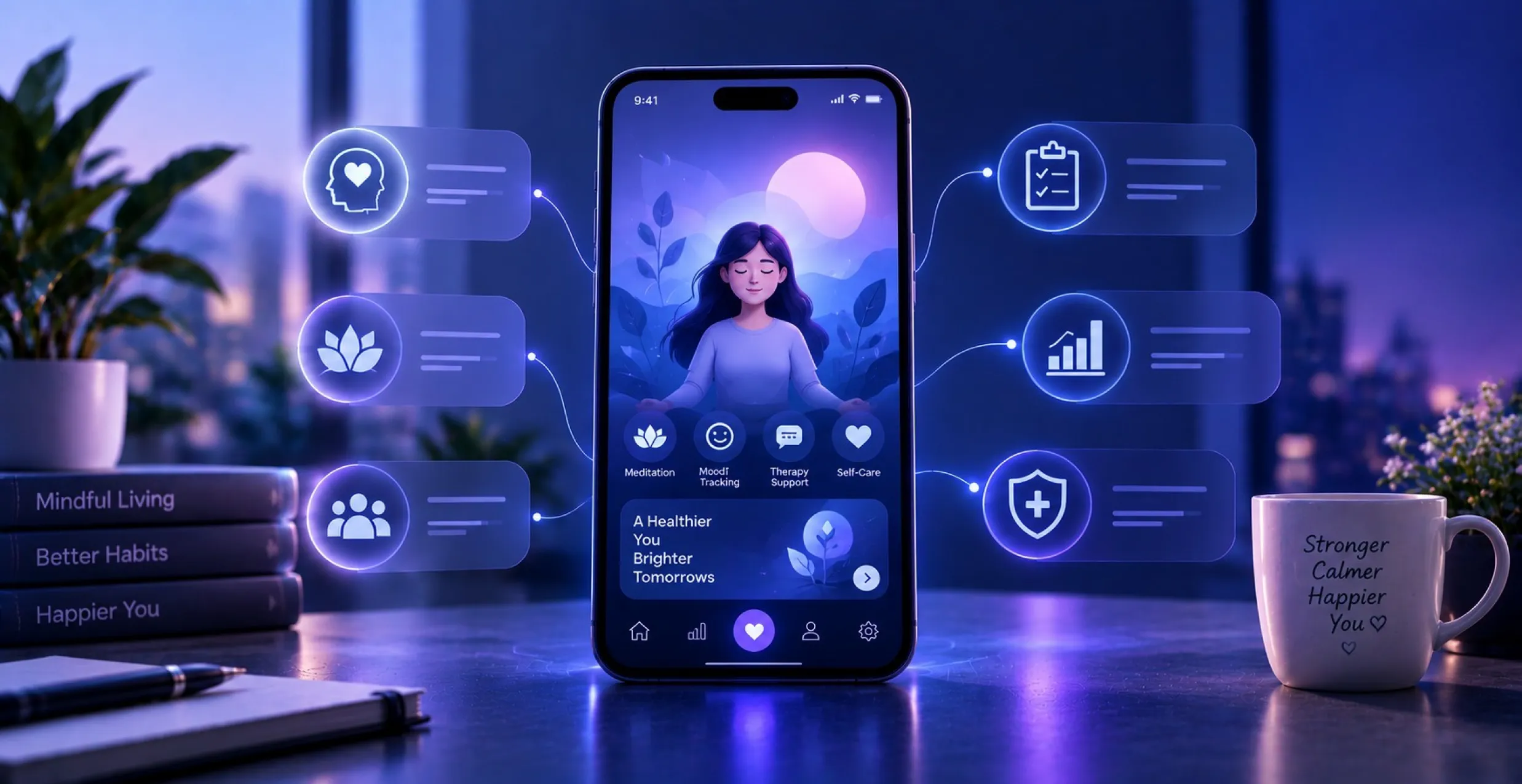


 Get in Touch