

Trusted by Forward-Thinking Businesses Turning Digital Ideas Into Real-World Growth
We work with new companies and long time businesses alike. Across many fields, we help teams sort through hard tech needs. Then we turn that into usable digital work. Our team brings real knowledge of the area. We also bring strong engineering skills. We collaborate with your team, not around it. Together, we help you build what you need. We help you update old systems too. And we help you grow so the tech can keep up with your business goals.








2300+
Projects delivered across mobile, web, and emerging technologies
300+
Expert mobile app developers driving innovation
19+
Years of experience in scalable digital solutions
900+
Global clients served with secure, high-performance apps
Our Medical Device Software Development Services
Medical device software development is not only about building an app that talks to a device. It has to match what the product is meant to do. It also has to follow the real data paths and the way people will use it. You have to consider other linked systems too. On top of that, the team must meet the rules of the build process. We help across the full work cycle. That includes creating the software, linking it to devices, adding updates, and then keeping it running after release.

Medical Device Software Consulting
Start by getting clear on what the software must do. We review your idea and goals, intended functions, device links, users, data needed, and tech setup. With that in mind, we map out a development plan that fits the scope. We look at the right system design, how parts should connect, what tech tools to use, and which tasks should come first. This is done before money and time are locked into a build.

Custom Medical Device Software Development
We create custom software for medical devices based on your product needs. The work can include device control screens, monitoring views, data handling tools, and apps that use device output. We build with the expected product behavior in mind. You can also plan the setup so it handles device messaging, user steps, data processing, online links, and connections with wider healthcare tools when needed.

Medical Device Integration Services
Most devices do not work alone. They often need to share information with other systems, including mobile apps, cloud services, EHR tools, patient portals, hospital workflows, or other connected gear. Our medical device integration services help you set up those links. We use the right APIs and communication methods, middleware, and clear integration designs.

Embedded Software for Medical Devices
We develop embedded software that enables medical devices to perform their intended functions. Our solutions support device control, data processing, monitoring, communication, and integration with connected systems.

Software as a Medical Device (SaMD)
We develop Software as a Medical Device (SaMD) designed to support specific healthcare and clinical functions. Our solutions can include diagnostic support, patient monitoring, data analysis, clinical decision support, and other software-based medical applications.

Medical Device Cloud Software Development
Connected medical devices produce a lot of data. That data has to be gathered, processed, saved, and retrieved using dependable systems. We create cloud-ready software for device data intake, charts and views, analytics, accounts and roles, APIs, and links to outside tools. The cloud setup we choose depends on what the product needs.

AI Medical Device Software Development
AI can be useful in medical device software, but only when there is a clear product goal. Our AI medical device software development services can include tasks like image review, pattern spotting, forecasts, smart notifications, and interpretation of recorded data.

Medical Device Software Modernization
Existing medical device software can become difficult to maintain as operating environments, technologies, integrations, and product expectations change. We help modernize legacy applications, update architectures, improve interfaces, migrate selected components, and introduce new integration capabilities.

Medical Device Software Maintenance & Support
Software needs attention after launch as devices evolve, integrations change, vulnerabilities emerge, and new product requirements appear. Our maintenance services cover technical support, bug resolution, performance improvements, integration updates, software enhancements, and ongoing development support.
What We Build for Medical Device Companies
We make software for medical products, and we tailor it to what each product does, how it connects, who uses it, and where it is used.
Software as a Medical Device (SaMD)
We create software that can do medical tasks on its own, without needing a separate physical device. This can include tools for diagnosis, real time checks, data review, and decision support.
Software in a Medical Device (SiMD)
We build software that works with a physical medical device. It helps the device do its job, handle controls, process data, and support what users do and see.
Embedded Medical Device Software
Develop software that runs right on the medical hardware. This includes firmware, device drivers, links for sensors, hardware communication, and control functions.

Connected Medical Device Platforms
We connect medical devices to cloud services and other digital tools. This can include mobile apps, dashboards, reporting tools, analytics systems, and healthcare services.

Medical Device Companion Apps
We design mobile and web apps so patients, clinicians, tech staff, or caregivers can interact with connected devices. The apps also help them find the right details.
AI-Enabled Medical Device Software
Integrate machine learning and AI methods to medical software. This may cover image review, finding odd changes, forecast-style insights, recognizing trends, and smarter ways to handle data.
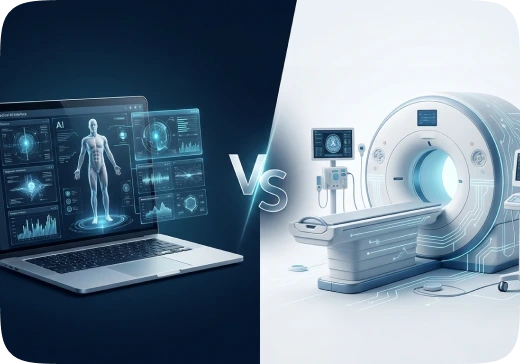
SaMD vs SiMD: Understanding Where Your Software Fits
Medical device software can operate independently or as part of a physical medical device.
| SaMD | SiMD |
|---|---|
| Operates independently from physical hardware | Works as part of a medical device |
| Can perform medical analysis or decision-support functions | Controls or supports device functionality |
| Often delivered through applications or cloud platforms | Usually embedded within device hardware |
| Examples include diagnostic analysis software | Examples include device control software |
Understanding this distinction early can help define the software architecture, development approach, testing strategy, and applicable regulatory considerations.
Build Medical Device Software That Meets Your Clinical Needs
Develop custom medical device software tailored to your device requirements and regulatory needs.
Discuss Your Project
Emerging Technologies in Medical Device Software
Medical device software is moving toward more connected and intelligent product experiences.

Artificial Intelligence
AI can support medical image analysis, anomaly detection, predictive analytics, and intelligent data processing.

Internet of Medical Things
IoMT connects devices, applications, cloud platforms, and healthcare systems to create connected medical ecosystems.

Edge Computing
Processing selected information closer to the device can support faster responses and reduce unnecessary data transmission.

Wearable Technology
Connected wearables can continuously collect health information and support remote monitoring workflows.

Predictive Analytics
Data-driven models can identify patterns and support proactive monitoring and operational decisions.
Cloud-Connected Devices
Cloud platforms enable centralized data management, analytics, dashboards, device management, and remote access.
Medical Device Software Development Process
A medical device software project needs a structured development path because the software is closely connected to the product's intended function and overall technology ecosystem. Our process moves from product understanding and architecture through development, validation, deployment, and ongoing support.
01 Discovery & Requirement Analysis
We begin by understanding the device, intended software functionality, target users, data flows, existing hardware, connectivity requirements, and product goals. This stage creates the foundation for the technical and development roadmap.
02 Architecture & Technology Planning
Our team defines the software architecture, integration model, databases, APIs, communication methods, cloud components, and technology stack required for the product. Decisions are made around the specific device and its operating environment.
03 UX/UI & Product Design
Interfaces are designed around the people who will actually use the software, whether that means clinicians, patients, technicians, administrators, or device operators. The objective is to make important information and workflows clear without adding unnecessary complexity.
04 Software Development
Developers build the required applications, device interfaces, backend services, APIs, data processing components, and connected features. Development can be organized into iterative stages so progress can be reviewed throughout the project.
05 Integration & Testing
The software is tested across its relevant components, including device communication, APIs, data flows, application behavior, performance, security, and interoperability. Testing is planned around the product’s intended functionality and technical environment.
06 Deployment & Product Support
After the development and testing stages, we assist with deployment and integration into the required environment. Ongoing support can include software updates, issue resolution, monitoring, integration changes, and future product enhancements.
Specialized Medical Device Software Solutions
Different medical devices create different software requirements. We build solutions around the product, users, data, and connected environment rather than treating every device as the same type of application.

Remote Patient Monitoring Solutions
Connected monitoring devices can send patient data to software platforms where authorized users can view measurements, trends, alerts, and other relevant information. Our solutions can support device connectivity, patient dashboards, notifications, and integration with patient monitoring software.

Diagnostic Device Software
Diagnostic devices often rely on software to collect, process, display, or interpret information generated during testing. We develop interfaces and backend systems that can support device data workflows and connect relevant information with healthcare applications.

Medical Imaging Software
Software can support image acquisition, processing, visualization, storage, and information exchange for imaging-related products. We can build applications around specific imaging workflows and integrate them with relevant healthcare systems where required.

Wearable Medical Device Software
Wearable devices can continuously capture health-related information through sensors and connected components. We develop software that can receive device data, present useful insights, support notifications, and connect wearable ecosystems with broader digital health platforms.

Connected Medical Device Platforms
A medical device platform can bring device connectivity, data management, analytics, user interfaces, APIs, and cloud infrastructure into one connected environment. We build platforms that help manufacturers and healthcare businesses manage multiple digital components around their products.

AI-Enabled Medical Device Solutions
AI-enabled devices can use software to identify patterns, process medical information, or generate specific insights depending on their intended functionality. We integrate appropriate AI and machine learning capabilities into medical device ecosystems where they serve a defined product objective.
Industries We Build Medical Device Software For
Different medical technology products serve different clinical and operational purposes. Our development services can be tailored to organizations working across a range of medical device and healthcare environments.

Medical Device Manufacturers
Develop software that supports connected devices, device interfaces, data processing, monitoring, and product ecosystems.

MedTech Companies
Build digital components around medical products, including mobile applications, cloud platforms, dashboards, APIs, and analytics.

Diagnostic Technology Companies
Develop software for diagnostic workflows, data capture, visualization, analysis, and integration with healthcare systems.

Hospitals & Healthcare Providers
Connect medical devices with existing healthcare applications, patient monitoring workflows, and clinical technology environments.

Digital Health Companies
Add connected device capabilities to digital health products through APIs, device integrations, mobile applications, and cloud services.

Remote Care Providers
Support connected monitoring and virtual care workflows by integrating devices with remote patient monitoring software and healthcare platforms.
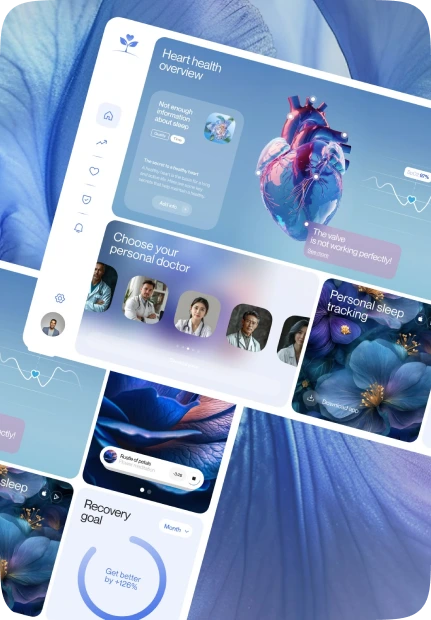
Need Medical Device Software You Can Trust?
Get expert support for embedded software, connected devices, and regulatory-focused development.
Talk to Our Experts
Real-World Use Cases of Medical Device Software
Medical device software becomes valuable when it solves a specific problem around monitoring, device operation, data access, or clinical workflows. Here are some common scenarios where custom software can support connected medical products.
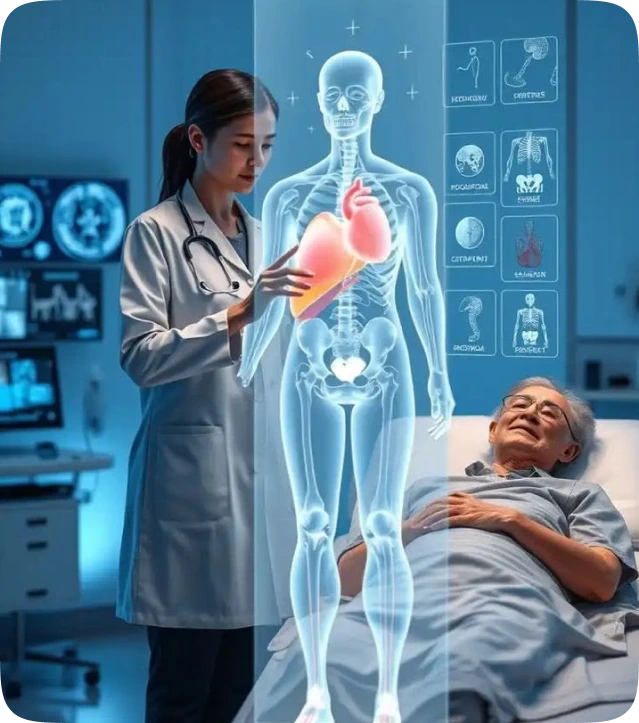
Remote Patient Monitoring
- Problem: Patient measurements collected through connected devices can be difficult to monitor continuously when device data remains isolated from the software used by care teams.
- Solution: We connect monitoring devices with applications and cloud platforms that collect relevant readings, display patient information, and support configurable notifications.
- Result: Care teams can gain more timely visibility into connected patient data while patients can continue monitoring from their homes where the product and workflow support it.
Medical Device Data Integration
- Problem: Medical devices often generate useful information, but disconnected systems can make that data difficult to access across the wider healthcare environment.
- Solution: Our medical device integration company approach connects device software with healthcare applications, cloud platforms, APIs, and other required systems.
- Result: Device-generated information can move into the appropriate digital workflows without requiring users to manually transfer data between systems.
Connected Diagnostic Workflows
- Problem: Diagnostic information can remain separated between devices, applications, and healthcare systems, creating additional manual work for staff.
- Solution: We develop software that connects diagnostic devices with relevant applications, data platforms, and healthcare systems to support automated information flows.
- Result: Teams can spend less time moving information manually and more time working with the results and workflows that matter.
Wearable Device Monitoring
- Problem: Wearable medical devices can generate continuous streams of health information that are difficult to interpret when users have no centralized interface.
- Solution: We build connected applications and dashboards that receive device information and present relevant measurements, trends, and notifications in an accessible format.
- Result: Patients and authorized healthcare professionals can gain a clearer view of information generated by connected wearable devices.
Device Fleet Management
- Problem: Organizations managing large numbers of connected medical devices need visibility into device status, software versions, connectivity, and operational issues.
- Solution: We develop centralized medical device platforms with device management dashboards, monitoring capabilities, user controls, and backend integrations.
- Result: Teams gain a single environment for managing connected products and identifying issues that require attention.
AI-Assisted Medical Device Analysis
- Problem: Medical devices can produce large volumes of information that may be difficult to analyze manually within limited time.
- Solution: Our AI medical device development services can incorporate machine learning models for defined analysis tasks, pattern identification, classification, or intelligent alerts where appropriate.
- Result: The product can turn relevant device data into more useful software outputs while keeping the AI capability aligned with its intended purpose.
EHR & Medical Device Connectivity
- Problem: Device information may need to reach clinical systems, but the device and healthcare platform may use different technologies and data structures.
- Solution: We develop medical device integration services that connect device software with EHR, EMR, hospital, and healthcare applications through appropriate interfaces and interoperability technologies.
- Result: Relevant device information can become part of connected healthcare workflows instead of remaining within an isolated device ecosystem.
Recognition That Highlights Our Industry Leadership

Honored with ET "Inspiring Leaders Award" North 2025
CMMI Level - 3
Benchmark of Our Excellence
Official Member Forbes
Technology Council

Ranked Among Top 10
Mobile App Developers

Octal IT Solution Honored
with “Tech Titan Award”
The Technology Behind Our Medical Device Software Development
The right technology stack depends on the device, software functionality, connectivity model, users, and deployment environment. We combine application development, cloud, APIs, IoT, AI, databases, and integration technologies based on what the product actually requires.

iOS

Android

Flutter

React Native

Swift

Kotlin

Java

TypeScript

Node.js

Python
Java

.NET

PHP

C#

Spring Boot

REST APIs

GraphQL

AWS

Microsoft Azure

Google Cloud

Docker

Kubernetes
IoT platforms
Device gateways

Sensor connectivity

MQTT

APIs

Real-time communication

Machine learning

Computer vision
Predictive analytics

Intelligent data processing

MySQL

PostgreSQL

MongoDB

SQL Server

Redis
Cloud databases
REST APIs
GraphQL

WebSockets

OpenAPI

Healthcare interoperability interfaces

Third-party APIs
Who We Help
Medical device software needs vary across manufacturers, MedTech innovators, healthcare organizations, and digital health companies. Our medical device software development services are tailored to the technology, workflows, users, and product goals of each organization.
-
Medical Device Manufacturers

Build software that works alongside new or existing medical devices. We help manufacturers develop embedded software, companion applications, connected platforms, device dashboards, and integration layers that improve how their products operate and connect with healthcare ecosystems.
-
MedTech Startups
Turn innovative medical technology concepts into functional software products. We help startups move from product discovery and software architecture to development, device connectivity, cloud platforms, mobile applications, and AI-powered capabilities.
-
SaMD Companies
Develop software-based medical products that operate independently from physical medical hardware. Our team can support application development, cloud infrastructure, data processing, AI integration, healthcare interoperability, and product modernization based on your software requirements.
-
Diagnostic Technology Companies
Create software that supports modern diagnostic workflows. We develop solutions for diagnostic devices, data collection, image processing, result management, reporting, analytics, and connectivity with healthcare applications and clinical systems.
-
Hospitals & Healthcare Providers
Connect medical devices with the systems healthcare teams already use. We develop device integration solutions, clinician dashboards, patient-facing applications, monitoring platforms, and healthcare data workflows that help bring device-generated information into connected care environments.
-
Digital Health Companies
Build connected digital health products that bring together devices, applications, patient data, analytics, and healthcare systems. Our team supports everything from healthcare software development to IoT connectivity, cloud platforms, AI capabilities, and third-party integrations.
-
Remote Care Providers
Develop technology that supports healthcare delivery beyond traditional clinical settings. We build remote monitoring platforms, patient applications, clinician dashboards, connected device solutions, and data workflows for remote care and virtual monitoring.
-
Medical Technology Product Companies
Enhance existing medical technology products with modern software capabilities. Whether you need device connectivity, mobile applications, cloud integration, analytics, or software modernization, we help extend your product capabilities while working around your existing technology environment.
-
Healthcare Technology Innovators
Bring new ideas in connected healthcare, IoMT, AI, wearables, and medical data management to life. We help transform product concepts into practical software solutions designed around real-world healthcare use cases and user requirements.
Security and Compliance Considerations for Medical Device Software
Medical device software may be subject to regulatory and quality requirements depending on its intended use, functionality, market, and role within the device. FDA guidance states that certain device software functions are subject to FDA oversight, particularly where the software meets the device definition and its failure could pose a patient-safety risk.
FDA QMSR / 21 CFR Part 820
ISO 13485:2016
IEC 62304
ISO 14971
IEC 62366-1
FDA Medical-Device Cybersecurity Guidance
IEC 81001-5-1
Secure Software Development
Threat Modeling
Vulnerability Management
Security Updates
SBOM Where Applicable
HIPAA
HITECH
GDPR
Applicable Regional Privacy Requirements
HL7
FHIR
DICOM
Device Communication Protocols
Real Healthcare Challenges Solved Through Practical Technology
Explore how our healthcare technology expertise helps organizations turn complex requirements into practical digital products. Our case studies highlight the challenges businesses face, the technology approaches used to address them, and the outcomes these solutions are designed to support.

B. Lal – Healthcare & Diagnostics Platform
The Challenge - Manual appointment handling and fragmented patient data resulted in operational inefficiencies and inconsistent patient experiences.
The Solution - Developed a digital healthcare platform to automate appointment booking, reports management, and patient engagement through a centralized system.
Key Highlights & Features- Online appointment scheduling
- Digital test reports and records management
- Automated notifications and reminders
- Secure patient data handling
The Impact - Reduced administrative workload, improved appointment efficiency, and enhanced patient satisfaction through faster, digital-first services.
View Case StudyHow Much Does Medical Device Software Development Cost
There is no single cost for medical device software development because every product has a different combination of device functionality, software complexity, integrations, users, data requirements, and regulatory considerations. A basic companion application will have a very different development scope from a connected medical device platform with cloud infrastructure, AI, and multiple integrations.
The main factors that influence development cost include:
- Software complexity: The number of modules, workflows, interfaces, and device functions affects the overall development effort.
- Device connectivity: Wired, Bluetooth, Wi-Fi, IoT, or other connectivity requirements can influence architecture and integration work.
- Platform requirements: Mobile, desktop, web, embedded, cloud, or multi-platform development can change the scope considerably.
- Healthcare integrations: Connecting with EHRs, EMRs, hospital systems, cloud platforms, or other medical devices adds integration and testing requirements.
- AI capabilities: Computer vision, predictive models, intelligent analysis, and other AI functionality can increase development complexity.
- Security and regulatory requirements: Documentation, validation, risk management, cybersecurity, testing, and applicable regulatory requirements can affect the project scope.
- Maintenance and updates: Ongoing support, device compatibility, software updates, monitoring, and future integrations should also be included in the long-term product plan.
Medical Device Software Development Cost Breakdown
| Solution Type | Estimated Cost | Typical Timeline |
|---|---|---|
| Basic Medical Device Companion Software | $30K – $60K | 3–5 months |
| Connected Medical Device Software | $60K – $150K | 5–8 months |
| Advanced Medical Device Platform | $150K – $300K+ | 8–12+ months |
| AI-Powered Medical Device Software | $180K – $400K+ | 9–15+ months |
These are indicative ranges rather than fixed quotations. The actual investment depends on the device, intended software functionality, integrations, technology stack, regulatory scope, and development requirements.
Ready to Bring Your Medical Device Innovation to Life?
Bring your medical device to market with tailored software development and testing solutions.
Get a Project Estimate
What Makes Us the Buzz of Tech Town
Here’s what our business partners say about us.




Forexcitypro
Octal IT Solution developed a robust stock and forex trading app with live market data, seamless trading, portfolio management, and performance tracking.


Runner Consulting
Octal IT Solution delivered the app as per specifications, with clear planning, weekly updates, and strong attention to detail.


Fintech Company
Octal IT Solution developed an agile payment web and mobile app with intuitive UI and seamless software integrations.

mVOCHA
Octal IT Solution built a coupon website and iOS/Android apps enabling users to easily find and download discounts.

Frequently Asked Questions About Medical Device Software Development
We develop software for connected medical devices, monitoring systems, diagnostic products, wearable devices, device companion applications, cloud platforms, data management systems, and AI-enabled medical technology. The exact software architecture depends on the product’s intended functionality and technical requirements.
We begin by understanding the product’s intended use, functionality, device environment, users, and applicable market requirements. The development approach can then incorporate relevant software engineering, documentation, risk, cybersecurity, testing, and regulatory considerations. FDA’s current guidance explains that regulatory oversight depends on whether the software function meets the device definition and its specific functionality.
Yes. We develop integrations between medical devices, mobile applications, cloud platforms, healthcare systems, APIs, and other connected technologies. The integration approach depends on the device’s communication methods, data formats, APIs, and the systems involved.
The timeline depends on the software’s complexity, device connectivity, number of platforms, integrations, AI functionality, testing requirements, and regulatory scope. A relatively focused companion application may take a few months, while a complex connected medical device platform can require considerably longer.
The cost depends on the product requirements, device integration, software architecture, platforms, AI capabilities, healthcare integrations, security requirements, testing, and regulatory considerations. A detailed project assessment is needed to provide a meaningful estimate.
Yes. Connected medical device software can collect information from supported devices and send it to applications or cloud platforms for monitoring and analysis. We can develop dashboards, notifications, data processing, and integrations around your remote monitoring workflow.
Yes. We can connect medical device software with EHR, EMR, hospital, laboratory, and other healthcare applications using appropriate APIs and interoperability approaches. The specific integration method depends on the systems and data requirements involved.
Yes. Our AI medical device software development services can include machine learning, computer vision, predictive analytics, classification, pattern recognition, and other AI capabilities where they fit the product’s intended function. AI functionality should be planned alongside the product’s risk, validation, security, and applicable regulatory requirements.
Yes. We can assess legacy medical device applications and help modernize architecture, interfaces, integrations, cloud components, APIs, and selected technologies. The modernization strategy can be planned to preserve important existing functionality while introducing required improvements.
Medical device products combine software engineering with device connectivity, healthcare workflows, data, security, testing, and potentially regulatory requirements. A specialized development team can bring these considerations into the planning process rather than treating the device software as a standard business application.
Useful starting information includes the device type, intended use, target users, software functionality, existing hardware, communication protocols, data requirements, target markets, integrations, preferred platforms, current software, and project goals. Even if some details are not finalized, our team can help define the technical scope during the initial discovery stage.
Tech Talk: Stay Up-to-Date with Our Latest Insights
We have our eyes on what’s new in the tech world and bring you the latest updates here!
Octal IT Solution In The News
Octal IT Solution Has Been Featured By Reputed Publishers Globally.