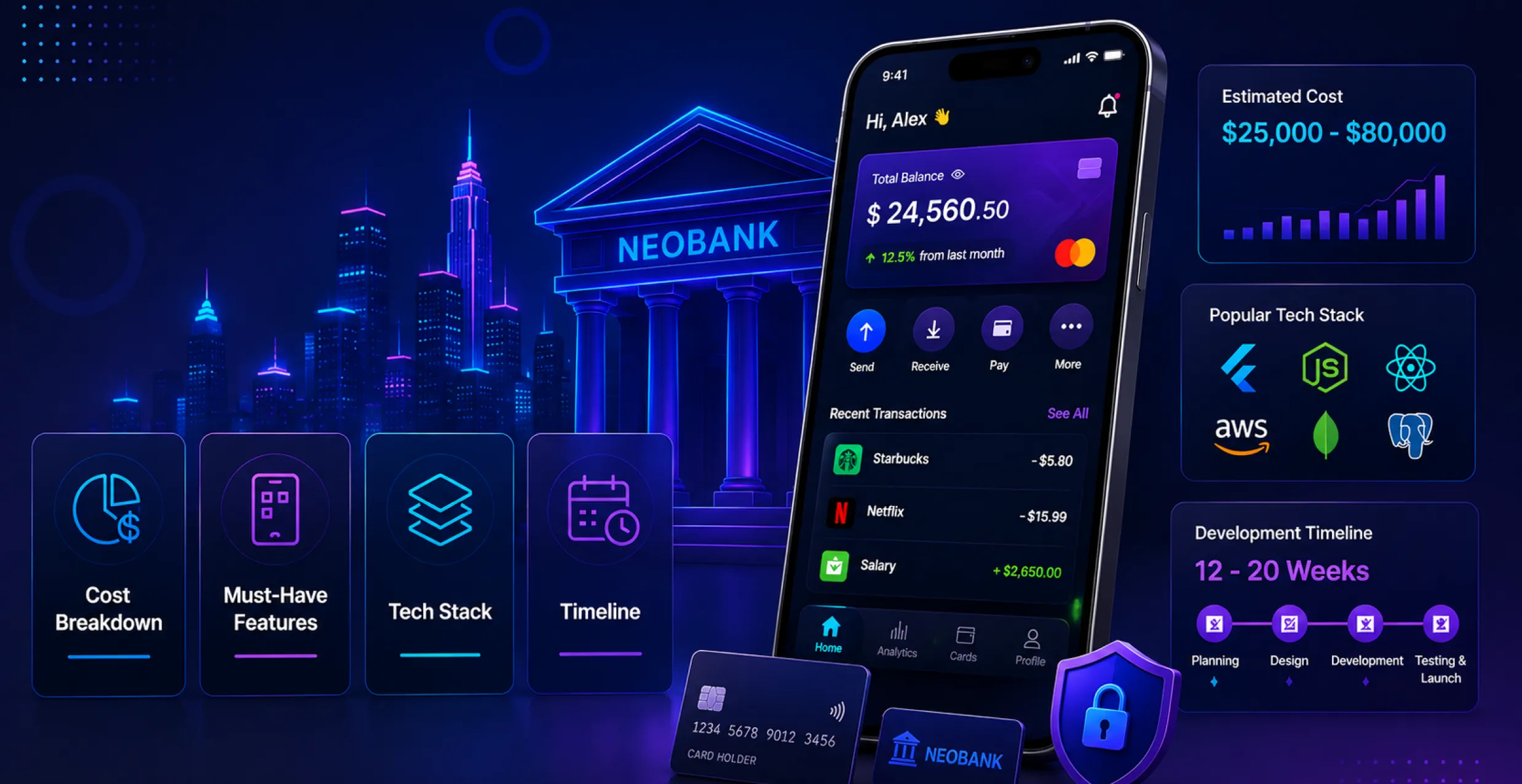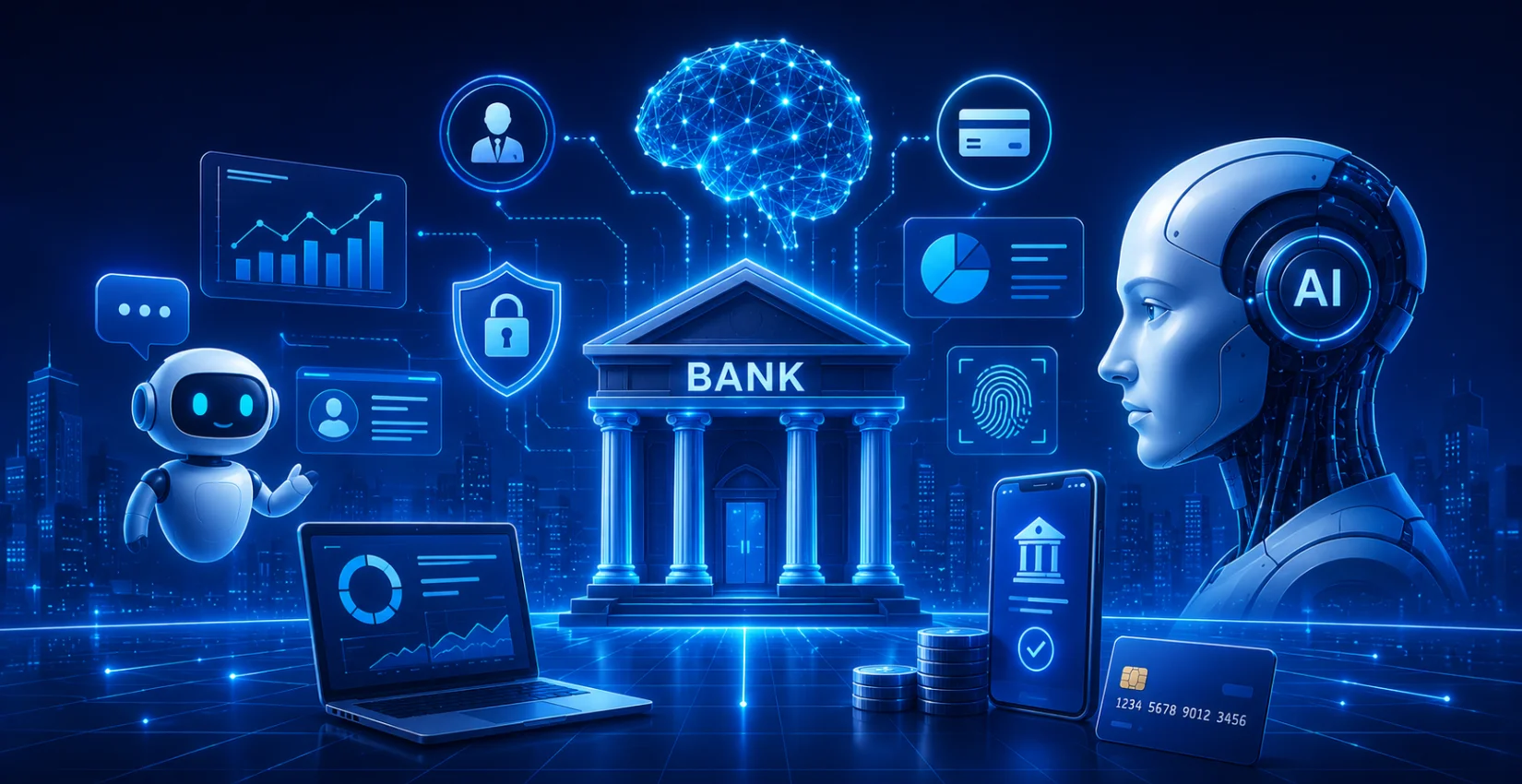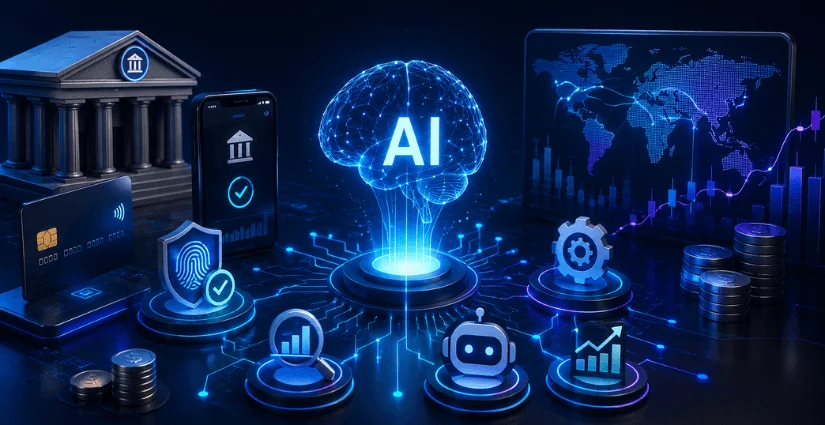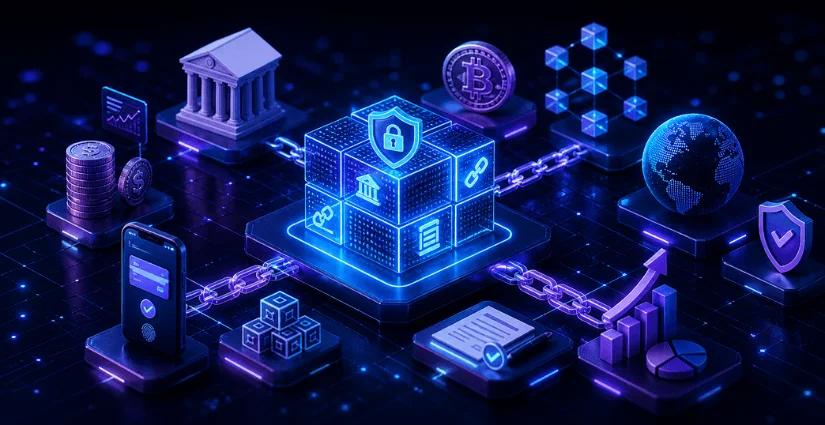



The U.S. fintech ecosystem has been changing how people and companies handle money at lightning speed. Technology has transformed all financial transactions, starting with mobile wallets to blockchain-powered transactions. This change has resulted in the push of fintech app development USA that is pushing innovation, convenient user experience, and safe financial transactions. The mobile application is the new economic center, and as a result, U.S. businesses are scrambling to develop solutions that are both efficient and trustworthy.
To get a better understanding of this. In this blog, we have discussed how the mobile app development in USA is driving the fintech industries and revolutionizing them.
The Fintech Boom: Where Technology Meets Finance
The fintech sector has experienced unprecedented growth in the last ten years. Statista (2025) states that the United States is the largest fintech market in the world, with more than 10,000 fintech startups locally. Almost half of the total number of global fintech investments comes out of the U.S, and most of these are through app-based platforms. This influx is an indication of the swelling demand for mobile-first solutions that make transactions easier, lower the cost, and increase financial inclusivity.
Mobile app development is the driving force behind fintech innovations, whether in investment platforms and digital lending, or insurance and wealth management tools. Live updates, insights, and round-the-clock accessibility have rendered mobile applications invaluable to financial institutions.
How Mobile Apps Are Transforming the Fintech Sector?
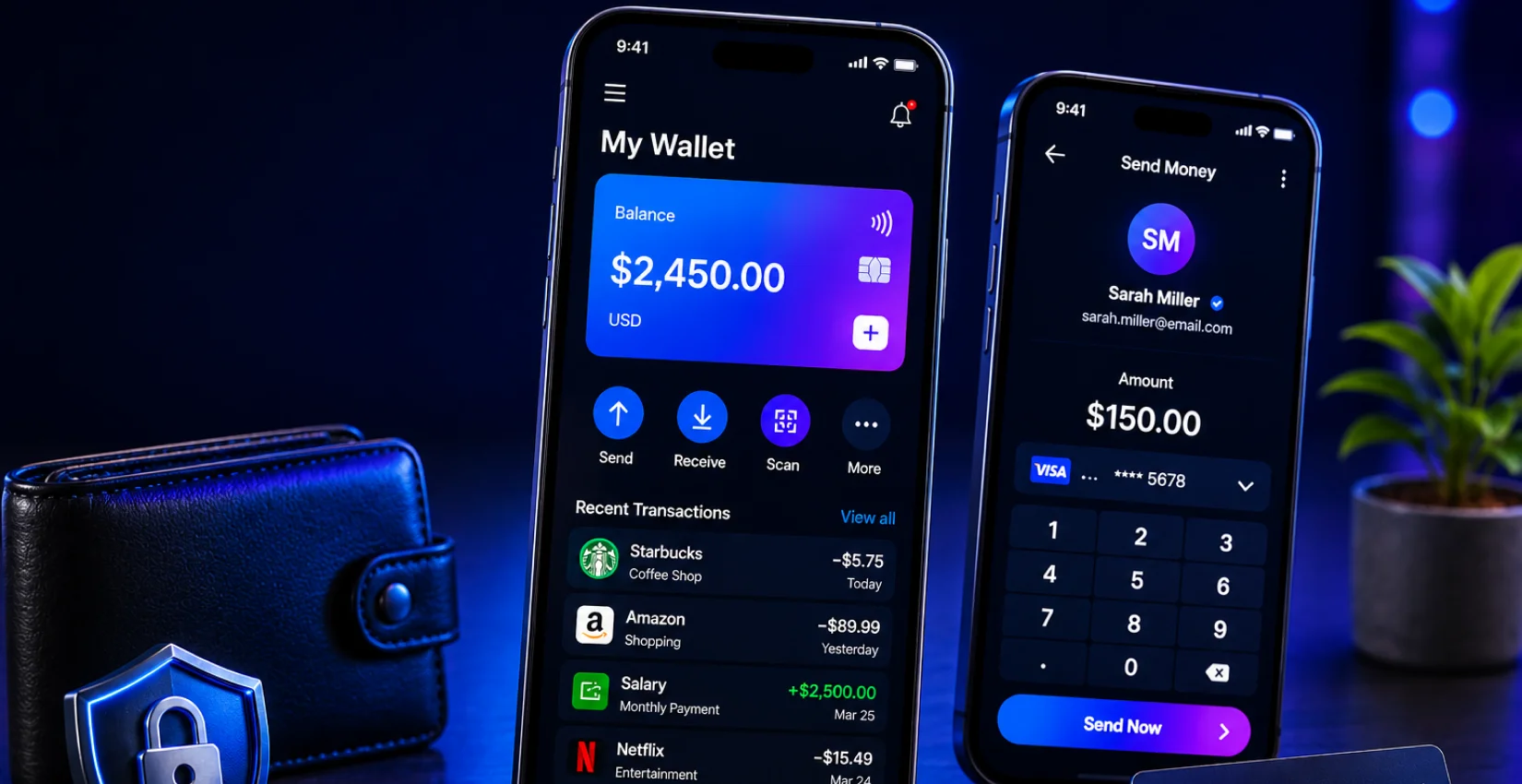
Fintech is no longer in the financial sector but includes all kinds of budgeting software, trading websites, and blockchain-based assets. The mobile banking apps have created a new standard of financial convenience where the user can check balances, transfer money, and even make investments at the touch of a button or two.
Among fintech startups, these apps are the main interaction point to attract and retain users. Having user-friendly designs, sophisticated security, and artificial intelligence-based suggestions, mobile fintech applications allow users to be in control of their finances as never before. Actually, as a recent report by Deloitte indicates, over 70 percent of adults in the U.S. currently favour mobile applications to do their banking instead of going to the physical branches.
USA App Developers Driving Fintech Innovation
Behind any successful fintech solution is a team of talented USA app developers that can recognize the complexity of the intersection of technology, compliance, and user behavior. Not only are these developers experts in writing code, but they are also strategic partners who plan how to incorporate the latest technologies, including AI, blockchain, and machine learning, into the fintech ecosystems.
The voice-activated transactions, biometric authentication, and predictive analytics are all solutions that U.S. developers are leading in implementing in mobile banking applications. This innovation and regulatory consciousness have seen the nation rise to be a standard in secure and scalable financial application development.
Get Our Services: Mobile App Development Services in Sydney
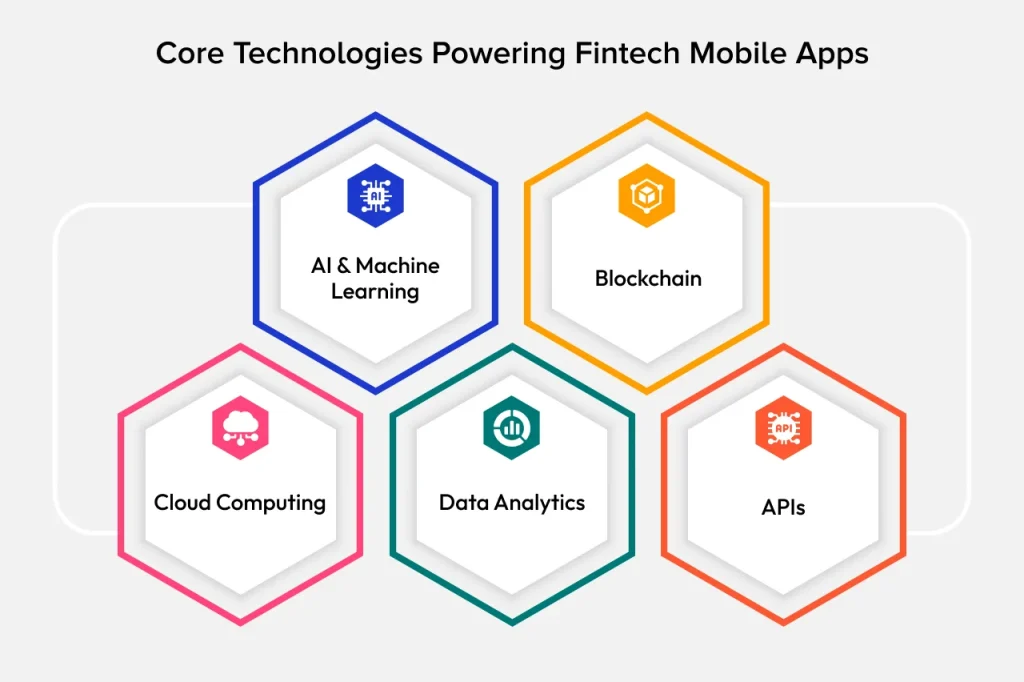
Core Technologies Powering Fintech Mobile Apps
The current mobile fintech applications are supported by a combination of advanced technologies that improve the security, performance, and personalization.
Artificial Intelligence and Machine Learning
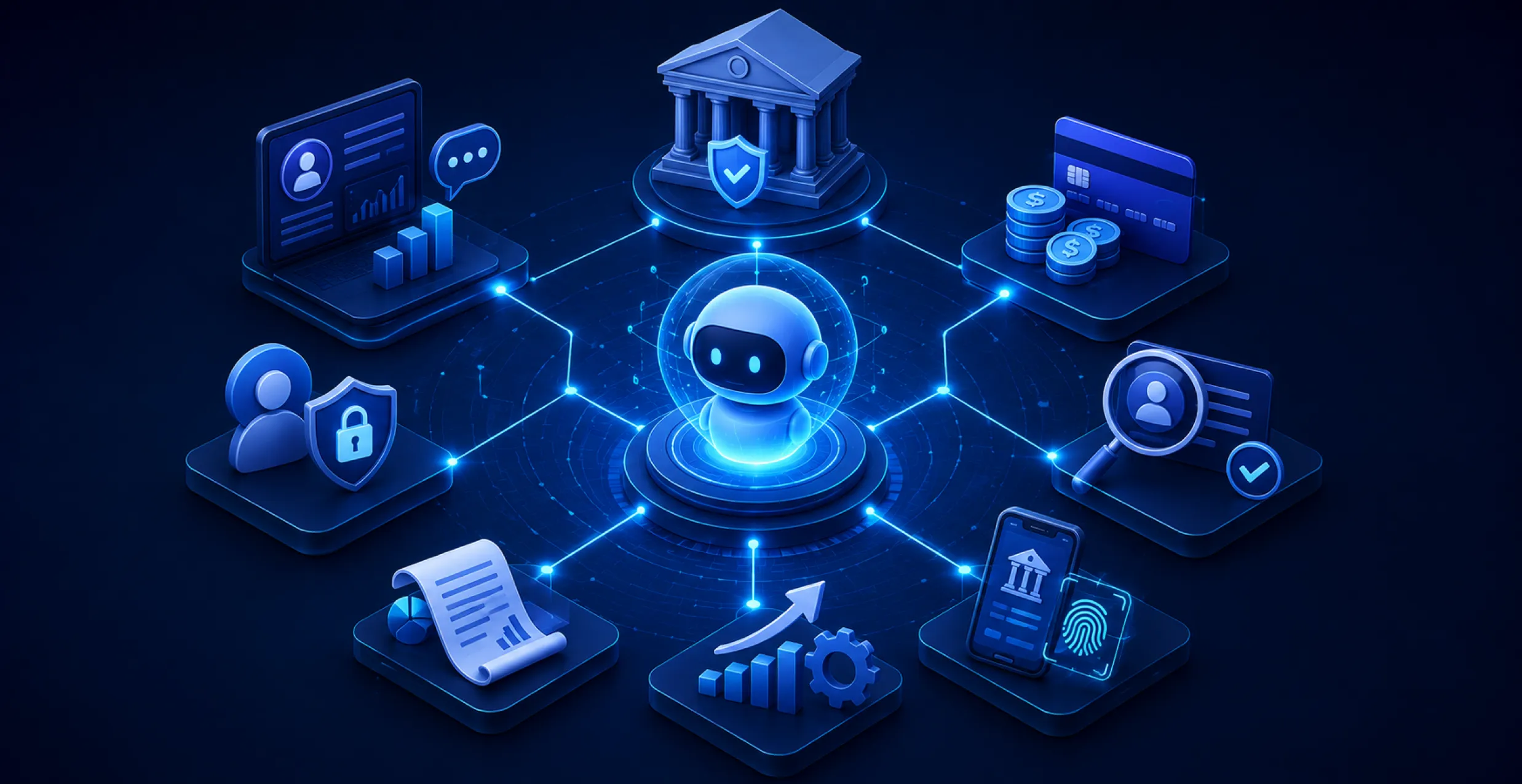
It entails credit rating, fraud prevention, and customized financial analysis. The chatbots that are powered by AI also improve customer service by providing instant and automatic replies. The ML algorithms will constantly learn about the user behavior, and thus, the longer the time spent, the more accurate the predictions and recommendations will be.
Blockchain
Enables transparent, secure, and undisturbed dealings. It has a decentralized system that allows tamper-free documents, enhancing consumer confidence with online payments. The use of smart contract functionality also automates complex financial procedures with minimal human interaction.
Cloud Computing
Scalability and remoteness of access. Fintech applications based on the cloud avoid errors and reduce the number of transactions that slow down the work. It also minimizes the cost of infrastructure, as well as offering sound data recovery and backup of the data.
Data Analytics
Gives real-time visibility into the level of expenditure and investment. Predictive analytics is used to enable fintech apps to learn user behavior and provide personalized financial recommendations. It also benefits the risk management process by detecting anomalies and possible fraud before it takes place.
APIs
The APIs provide easy third-party functions like payment gateways, KYC checks, and banking systems. They also speed up the development time as businesses are able to use ready-made components rather than creating everything on their own.
Organizations usually partner with a smart contract development company to develop secure and automated agreements, which exclude intermediaries, which is a novelty that is redefining digital transactions in fintech applications.
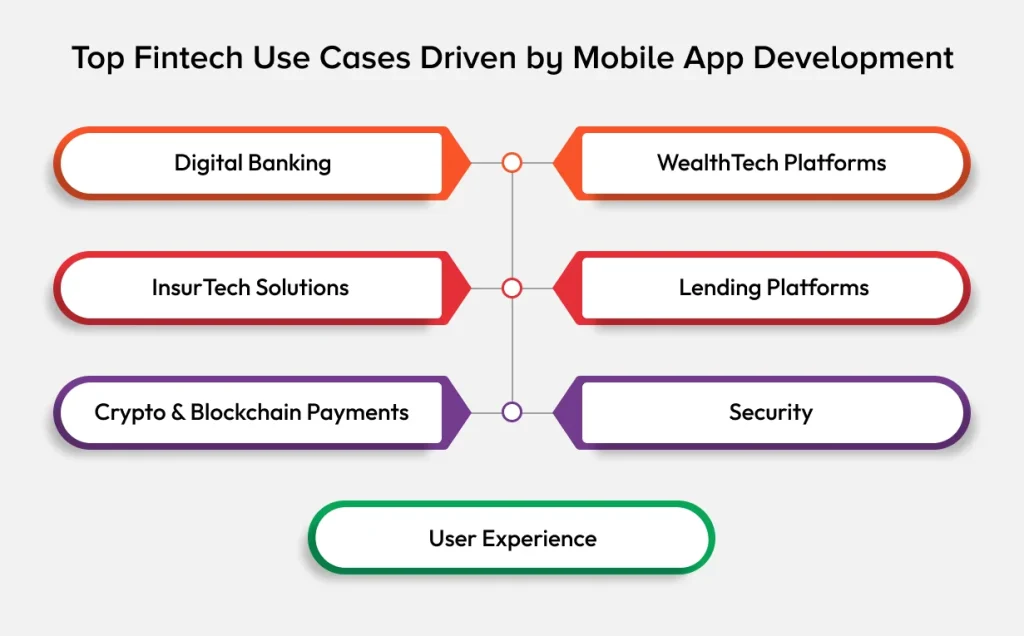
Top Fintech Use Cases Driven by Mobile App Development
Digital Banking
Conventional banks are becoming completely digital, with full-fledged application-based services. They are now incorporating AI-based functionalities such as budgeting, fraud notifications, and custom financial information. This change is assisting banks in eliminating branch dependency and providing users with mobile-first, 24/7 experiences.
WealthTech Platforms
The Apps enable one to invest, trade, and manage the portfolio anytime. Robo-advisors are advanced and give users automated and data-driven investment advice. The millennials and first-time investors are becoming richer more quickly due to real-time analytics and low-cost trading.
InsurTech Solutions
Mobile applications facilitate the handling of claims and policies. The document scanner, powered by AI and automated verification, reduces the time of claim handling significantly. Individualized policy recommendations enhance user interactivity and assist the insurers in lowering their operational expenses.
Lending Platforms
Loans are made easy through Fintech applications that give instant credit checks. Smart risk-scoring algorithms evaluate borrowers based on data other than the conventional credit scores. This enables the lenders to minimize the risk of defaults and provide expedited approvals to underserved segments.
Crypto & Blockchain Payments
Harmless and transparent digital money transactions. Wallets based on blockchain guarantee non-tampered documents and immediate cross-border payments. More and more businesses are starting to accept crypto payments as a method to cut down the transaction cost and expand the market internationally.
Having a top fintech app development company as a partner to develop and implement such use cases would be of high security, reliability, and compliance with financial regulations in the United States.
Security: The Backbone of Fintech App Development
Data security is one of the most significant challenges in the development of fintech apps. All dealings involve sensitive financial cybercriminals. In response, the U.S. app developers embrace the use of sophisticated techniques and protocols to prevent such a counter-attack, including multi-factor authentication, tokenization, and end-to-end encryption.
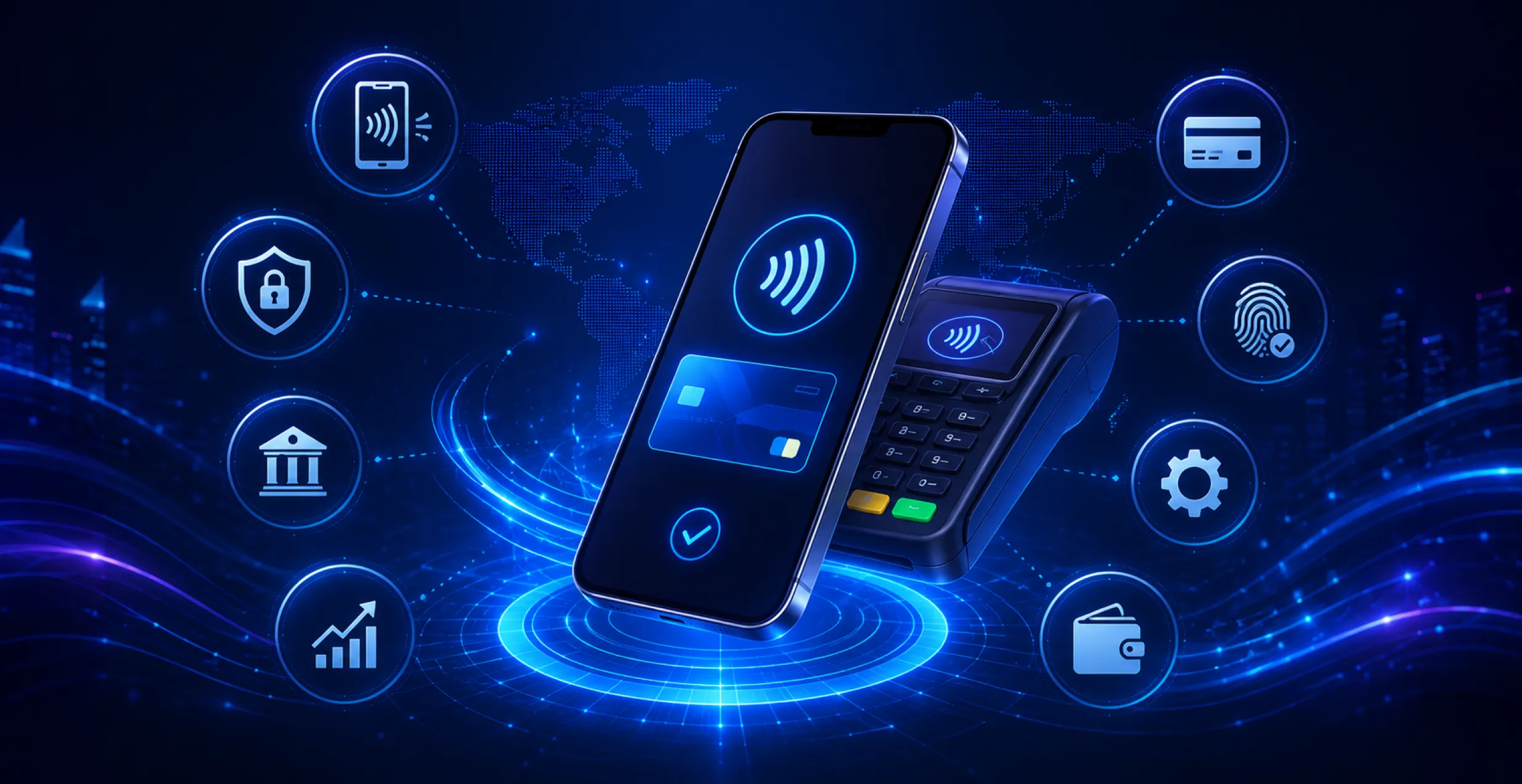
Moreover, biometric authentication, such as fingerprint or facial recognition, is a new standard feature in fintech apps. The partnership with a fintech software development company provides businesses with a competitive edge of strong security systems based on adherence to standards such as PCI-DSS, GDPR, and SOC 2.
User Experience: The Key to Customer Retention
Along with the speed and security, user experience is crucial to the success of a fintech app. User confidence is achieved through a smooth onboarding process, convenient navigation, and immediate feedback loops. Behavioral analytics is becoming a key asset used by fintech companies that aim to predict the needs of their users and transform them into a hyper-personalized experience.
To do this, the companies tend to hire mobile app developers who are known to create interfaces that are easier to use, even by non-technical users, to manage finances. The visual clarity, data representation, and functionality with a smooth touch are the ratios by which the overall impression of a fintech app can be considered.
How Mobile App Development Services Empower Fintech Businesses
Investing in mobile app development services will be a strategic move for both startups and enterprises. These services include UI/UX, backend development, payment gateway integration, and maintenance. Short time-to-market, scalability, and real-time performance analytics favor fintech companies.
Fintech partners are also involved in the development of apps that are agile, meaning that they can be changed in relation to changes in technology and regulatory mandates. Regardless of the development platform (Android, iOS, cross-platform), the U.S. developers have a rich background of fintech technical and regulatory complexity.
Understanding the Mobile App Development Cost in USA
The mobile app development cost in USA, when it comes to fintech solutions, is subject to a number of factors, encompassing complexity, technology stack, integrations, and compliance capabilities. An average fintech app can cost between 80,000 and 200,000 dollars, depending on functionality.
Additional factors that affect cost and development time are the availability of security measures, API integration, supporting blockchain, and AI-driven analytics. Nevertheless, the ROI of this investment tends to be long-term as users engage, become loyal, and retain.
Offshore vs Onshore Development: Finding the Right Fit
As the U.S. is the most innovative country, there are numerous firms that collaborate with offshore mobile app developers to strike a balance between quality and cost. The offshore teams are able to speed up the development cycles and lower the operational expenses. Nevertheless, when working with offshore specialists, it is essential to pay attention to communication and time zones and adherence to norms.
Incorporating offshore execution with an onshore approach is now an exhortable hybrid in fintech – enabling companies to gain innovation, cost efficiency, and scalability at the same time.
Market Insights: Fintech Growth Statistics (2025 and Beyond)
The U.S. fintech is growing at a high pace. According to CB Insights (2025):
- In 2024, the total amount of fintech funding in the U.S. surpassed $30 billion, with mobile-first solutions becoming the top in the category.
- Approximately 85 percent of financial institutions intend to invest more in mobile apps by the year 2026.
- By 2027, the U.S. will have a market of digital payments of up to $3.2 trillion.
These statistics show that the area of fintech and mobile development will continue to be very much interconnected, as innovation, regulation, and user expectations define the next stage of development.
The Future of Fintech App Development in the USA
Going forward, AI, blockchain, and open banking will be exploited to produce hyper-personalized and safe financial experiences through fintech apps. The further blurring of banking, retail, and digital ecosystems will include decentralized finance (DeFi), real-time payment, and embedded finance.
The future of digital banking will be characterized by the partnership of financial institutions, startups, and development partners. The U.S. fintech developers will keep their innovation pace with the changing demands of consumers, combining their trust, speed, and personalization.
Conclusion
The ideal combination of innovation and technology is what drives the fintech revolution in the U.S. As mobile app development is gaining momentum, financial institutions are able to offer smarter, safer, and more convenient solutions to their users across the globe. Use it to streamline the digital transaction or protect blockchain-based assets, the fintech mobile applications have become the lifeline of contemporary finance.
To companies that seek to exploit this wave, it is important to team up with the appropriate development experts. You are not merely creating an app; you are flexing the future of financial technology by investing in the development of forward-looking fintech apps.


 Get in Touch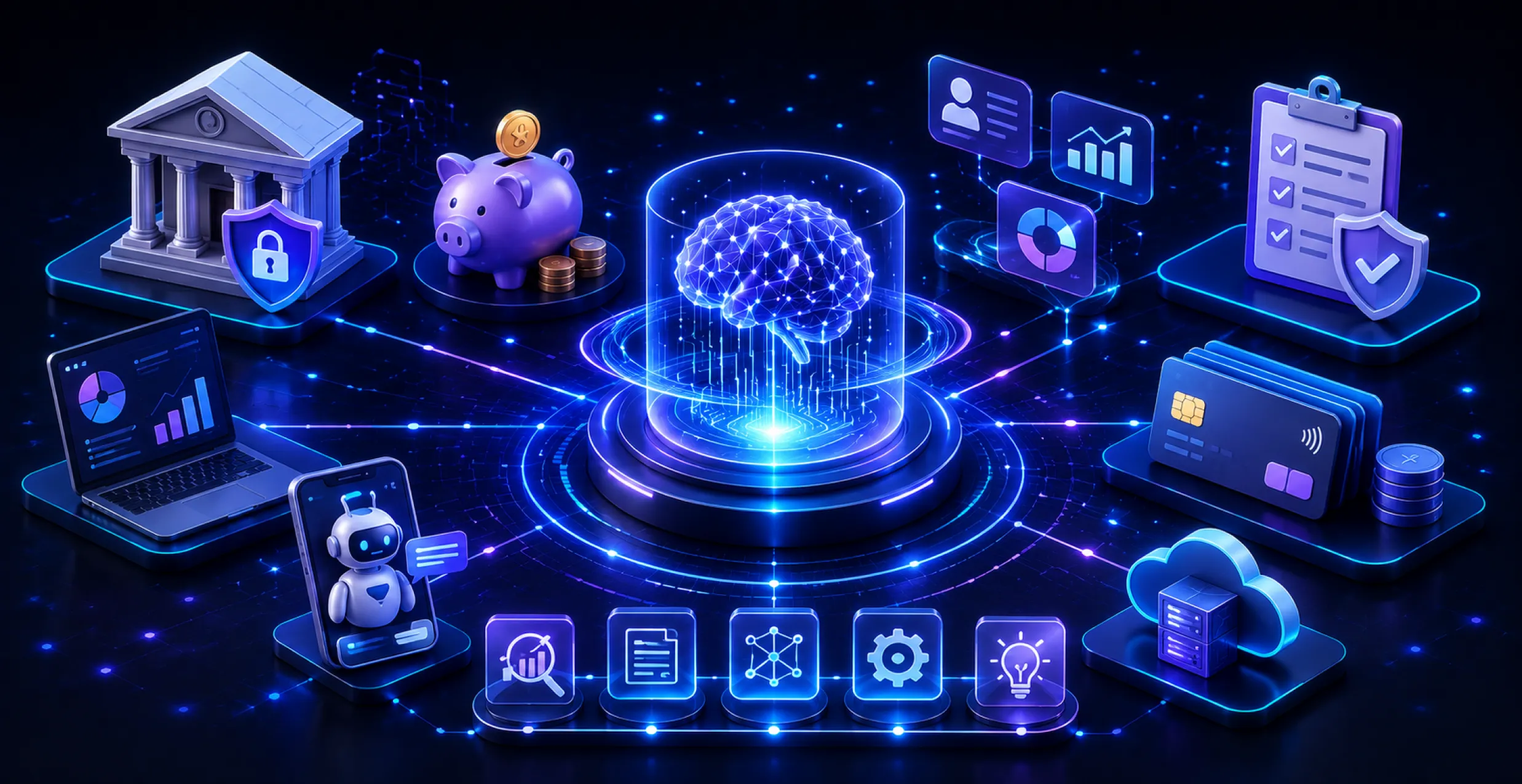
 By
By August 24, 2026