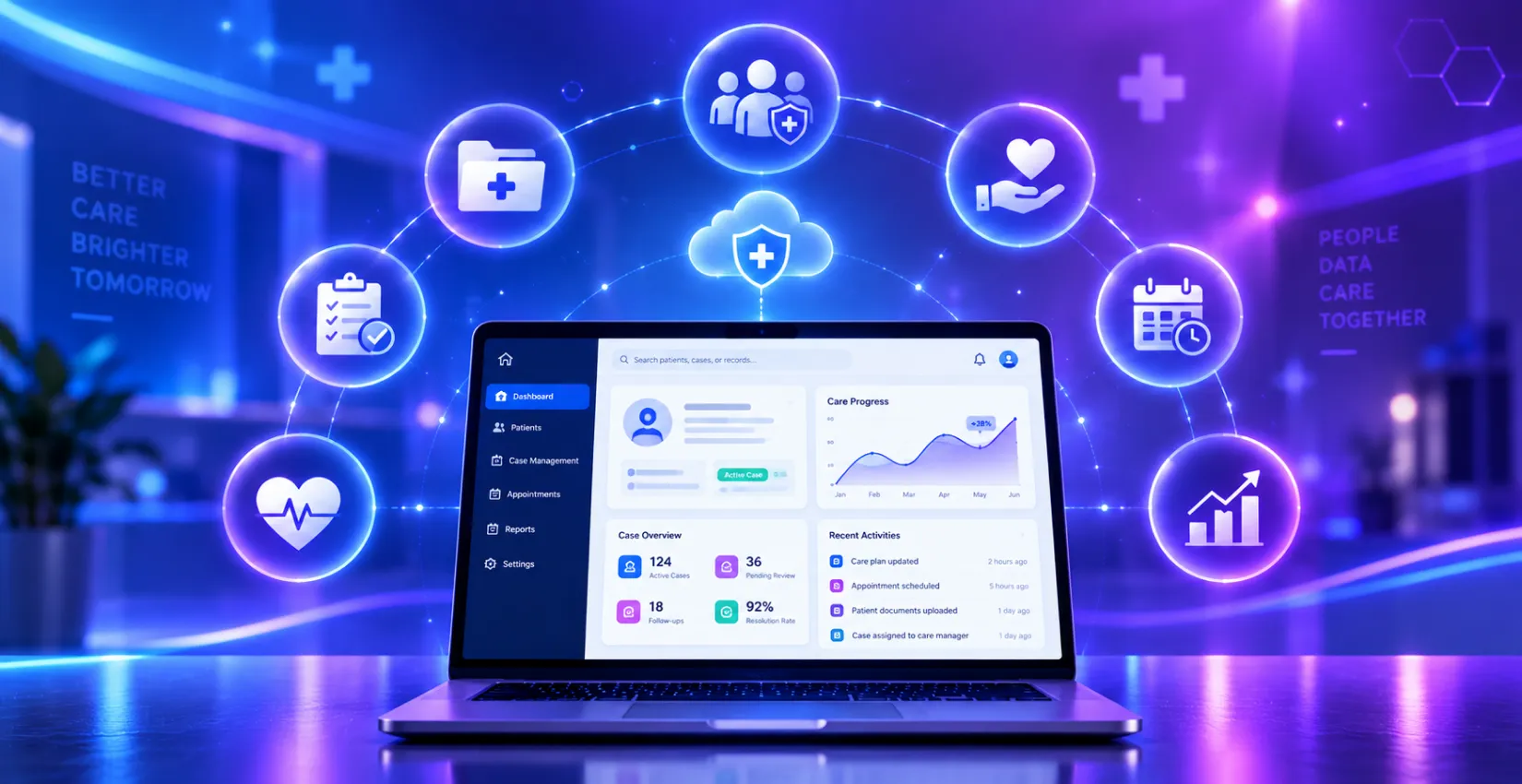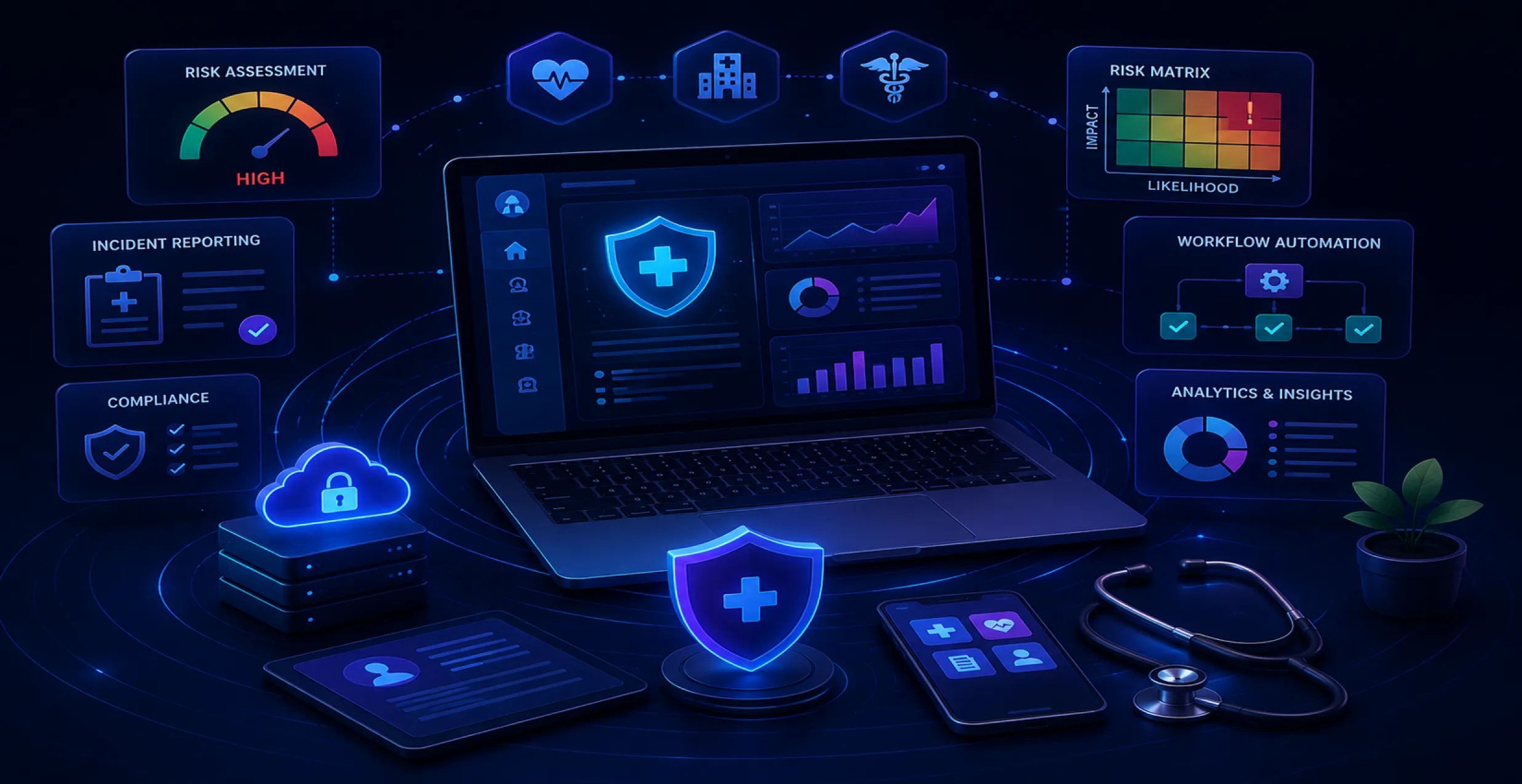



The implementation of Prescriptive Analytics in Healthcare represents a transformative solution for modern medical practices.
Data serves as the essential lifeblood for the rapidly changing healthcare industry today. Healthcare organizations produce massive data volumes each second through their activities of patient record management and treatment plan optimization. Raw data lacks value because organizations need to analyze and execute it to achieve success. Healthcare providers find their solution through prescriptive analytics in healthcare.
Prescriptive analytics surpasses the capabilities of both historical event description and future trend prediction. Healthcare professionals gain the power to create data-driven decisions which improve patient care while optimizing operations and generating better financial results.
The combination of artificial intelligence (AI) and machine learning (ML) with big data technologies makes prescriptive analytics a transformative force for contemporary medical practices.
This article examines prescriptive analytics through its definition, characteristics, healthcare applications, advantages, obstacles, upcoming developments and the urgent need for healthcare providers to adopt this revolutionary technology.
What is Prescriptive Analytics?
Prescriptive analytics represents the third level of analytics hierarchy which follows descriptive analytics and predictive analytics. The main function of prescriptive analytics is to determine the appropriate response to a situation after descriptive analytics reveals historical facts and predictive analytics forecasts potential outcomes. The current focus of numerous organizations centers on implementing this exceptional software development concept.
The system uses AI and ML together with optimization algorithms to generate optimal solutions for specific situations.
In the present time, many of the organizations are being focused on dealing with one of the best software development ideas.
It uses advanced technologies such as AI, ML, and optimization algorithms to recommend the best course of action for a given scenario. By analyzing historical data, identifying patterns, and simulating various strategies, it helps healthcare providers can make informed decisions that can be executed in real-time.
In industries like logistics and finance, prescriptive analytics has already revolutionized decision-making. Now, it’s steadily making its mark in healthcare by enabling tailored treatment protocols, operational efficiency, and better patient outcomes.
Healthcare Prescriptive Analytics Market Size
The healthcare prescriptive analytics market reached a value of USD 3.6 billion in 2023 and is projected to grow at a CAGR of 15.5% from 2024 to 2032. This technology applies advanced algorithms and data analysis techniques to healthcare information, delivering actionable insights that guide optimal decisions.
By offering clear recommendations to enhance patient care, streamline operations, and improve overall healthcare efficiency, prescriptive analytics has become an essential tool for informed, data-driven decision-making across the medical sector.
Key Features of Prescriptive Analytics in Healthcare
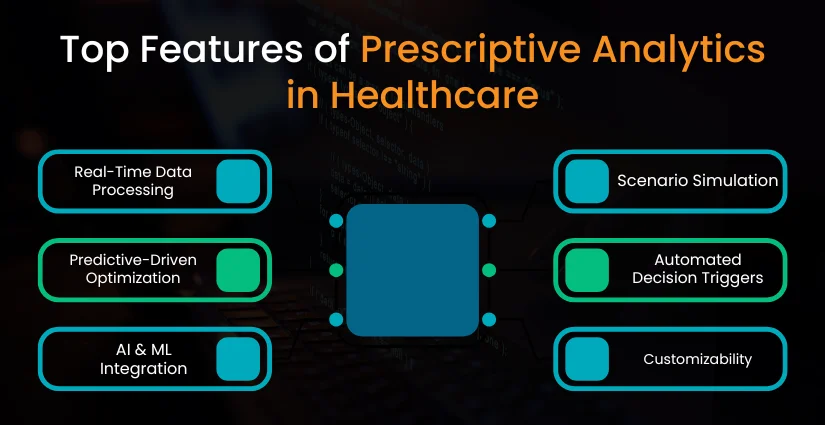
Prescriptive analytics combines real-time data, AI, and predictive modelling to recommend precise actions. Its core features enable timely decisions, improve care outcomes, and optimize healthcare workflows at every level.
While incorporating the features, you should take advise from a leading software development consulting services provider.
1. Real-Time Data Processing
In healthcare, timely decisions are critical. Prescriptive analytics continuously processes real-time data from electronic health records (EHRs), wearable devices, and diagnostic labs to provide actionable insights instantly, enabling clinicians to respond faster and more accurately to patient needs.
2. Predictive-Driven Optimization
Prescriptive analytics uses predictive models to assess future outcomes, such as disease risk or treatment response and recommends optimized clinical or operational strategies. This ensures improved care delivery, cost efficiency, and better resource allocation across hospitals and healthcare systems.
3. AI & ML Integration
By integrating artificial intelligence and machine learning, prescriptive analytics systems continually learn from new patient data. This dynamic adaptability enhances the precision and relevance of recommendations, making them more personalized, efficient, and aligned with evolving healthcare trends and patterns.
4. Scenario Simulation
Healthcare professionals can simulate multiple “what-if” scenarios using prescriptive analytics. This allows them to compare potential interventions, forecast outcomes, and make informed decisions by visualizing the impact of different treatment strategies or policy changes before implementation.
5. Automated Decision Triggers
Prescriptive analytics systems can automate decisions based on predefined clinical or operational rules. For instance, they can trigger alerts, initiate treatment protocols, or reassign medical resources, ensuring immediate and consistent responses to critical conditions or workflow demands.
6. Customizability
Prescriptive analytics tools are highly adaptable to specific medical domains such as oncology, cardiology, paediatrics, or emergency care. Custom configurations enable focused insights and recommendations, aligning the analytics engine with speciality-specific workflows, standards, and patient care goals.
What is Prescriptive Analytics in Healthcare?
In medical practices, time and accuracy are crucial. Prescriptive analytics enhances clinical, operational, and strategic decision-making by providing actionable insights backed by real-time data.
For clinicians, it supports diagnosis, recommends treatment options, and helps in drug interaction analysis. Hospital administrators can use it to predict patient admission rates, optimize staff scheduling, and manage inventories effectively. On a strategic level, it guides long-term planning by simulating the outcomes of policy changes or new service lines.
From ER rooms to administrative boardrooms, prescriptive analytics empowers stakeholders across the entire healthcare value chain.
Various custom software development services providers are in the market who can help you in incorporating prescriptive analytics in healthcare however, finding the best one can be a daunting task.
Use Cases of Prescriptive Analytics in Healthcare
From personalized treatment plans to efficient hospital management, prescriptive analytics offers versatile applications across healthcare. Such healthcare IT Solutions empowers providers to make informed, proactive decisions that enhance both clinical and operational performance.
1. Clinical Decision Support Systems (CDSS)
Prescriptive analytics enhances CDSS by analyzing patient history, genetics, and treatment data to recommend optimal, evidence-based care paths. It empowers doctors to make faster, more accurate treatment decisions tailored to individual patient needs.
2. Chronic Disease Management
For chronic illnesses like diabetes or heart conditions, prescriptive analytics recommends personalized medication plans, lifestyle modifications, and follow-up schedules. This helps prevent complications and ensures consistent, long-term disease control for better patient health and lower hospital readmissions.
3. Patient Flow & Resource Management
Hospitals use prescriptive analytics to streamline patient flow by forecasting admissions, discharges, and equipment use. This improves bed availability, reduces waiting times, and ensures timely care by allocating medical staff and assets efficiently across departments.
4. Personalized Medicine
By leveraging genetic, behavioural, and clinical data, prescriptive analytics tailors treatment and drug regimens to individual patients. This leads to higher efficacy, fewer side effects, and more precise care tailored to the biological and personal profiles of each patient.
5. Telemedicine & Remote Monitoring
Prescriptive analytics in telemedicine software development analyses live data from remote devices and wearables to detect anomalies. It then recommends real-time interventions, initiates virtual consultations, or alerts caregivers, enabling proactive and responsive care without the need for hospital visits.
6. Preventive Care Campaigns
It identifies high-risk populations through predictive modelling and suggests targeted outreach strategies like screenings or vaccination drives. This supports early intervention, reduces disease spread, and minimizes avoidable emergency care or readmission events.
Benefits of Prescriptive Analytics in Healthcare
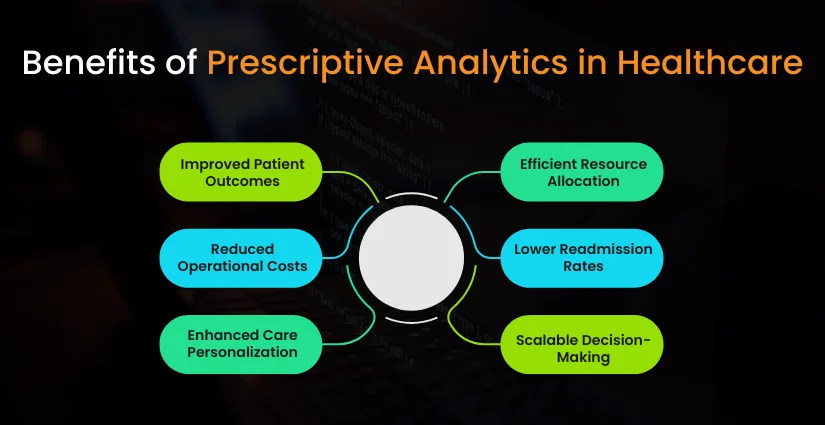
Prescriptive analytics delivers measurable benefits like better patient outcomes, cost savings, and personalized care. It enables data-backed decisions that improve efficiency, reduce errors, and elevate the overall quality of healthcare services.
However, all these benefits can be fully grabbed only if you hire one of the top custom software development companies.
Improved Patient Outcomes
Prescriptive analytics identifies the most effective treatments and procedures based on vast data inputs, improving recovery rates and reducing medical errors, complications, and adverse events across various healthcare settings.
Reduced Operational Costs
By automating workflows, optimizing scheduling, and improving resource use, prescriptive analytics minimizes unnecessary spending. It helps reduce inefficiencies in staffing, medication use, and patient handling, cutting operational costs significantly.
Enhanced Care Personalization
Every patient receives a unique care plan based on their health history, genetics, and lifestyle. This deep personalization improves treatment adherence, satisfaction, and long-term health outcomes through precise medical interventions.
Efficient Resource Allocation
Prescriptive analytics helps hospitals allocate staff, beds, and medical tools efficiently by forecasting patient demand. This reduces bottlenecks, prevents underutilization, and ensures readiness for sudden patient surges.
Lower Readmission Rates
By identifying patients at risk of readmission, it enables timely follow-ups, medication adjustments, and home-care instructions. These proactive strategies significantly reduce the likelihood of avoidable hospital returns.
Scalable Decision-Making
Prescriptive analytics solutions scale easily across small clinics to large hospital networks. They handle increasing data volumes, helping administrators and clinicians make reliable decisions for thousands, even millions of patients simultaneously.

Challenges and Limitations of Prescriptive Analytics in Healthcare
Despite its advantages, prescriptive analytics faces hurdles such as data integration, privacy risks, and high implementation costs. Understanding these challenges is key to successful adoption in the healthcare ecosystem.
An expert and top custom healthcare software development company can help you in overcoming these challenges.
Data Interoperability
Healthcare systems often operate on diverse platforms. Integrating EHRs, wearables, and lab systems can be technically difficult, slowing down data sharing and affecting the completeness and accuracy of prescriptive analytics.
Privacy & Security Risks
Handling sensitive health data requires strict compliance with HIPAA, GDPR, and similar laws. Breaches or misuse could lead to legal consequences and erode patient trust, making security a major implementation challenge.
Algorithmic Bias
If AI models are trained on unbalanced or incomplete datasets, they may produce biased outputs. This can result in inappropriate care recommendations, particularly for underrepresented demographic groups.
Adoption Resistance
Some healthcare professionals may distrust AI-based insights, preferring human judgment. Concerns about reliability, legal liability, and workflow disruption contribute to the slow adoption of prescriptive analytics in clinical environments.
Skill Requirements
Deploying prescriptive analytics requires data scientists, healthcare IT experts, and clinical consultants. Finding professionals with this cross-disciplinary expertise is difficult and may require significant investment in training and recruitment.
Cost & Complexity
Advanced prescriptive analytics systems can be expensive to build, integrate, and maintain. Smaller practices may struggle with the upfront investment, ongoing updates, and technical complexity involved.
Also read: What Should You Look for When Developing a Clinical Decision Support System?
Future Trends and Innovations For Prescriptive Analytics in Healthcare
The future of prescriptive analytics in healthcare lies in edge computing, genomic data integration, and blockchain security. These innovations will drive smarter, faster, and more personalized decision-making across the sector.
1. Real-Time Edge Analytics
With the Internet of Medical Things (IoMT), analytics will move to the edge, closer to where data is generated. This allows life-saving decisions to be made instantly during emergencies, like heart attacks or severe allergic reactions.
2. Genomic Integration
Prescriptive analytics will incorporate genomic data to recommend hyper-personalized treatments. Especially valuable in oncology and rare diseases, this approach will drastically improve diagnostic accuracy and therapeutic precision.
3. Generative AI Models
Generative AI will rapidly interpret vast and complex medical datasets, producing clear, actionable insights for clinicians. This will simplify decision-making and expand the accessibility of analytics tools to non-technical users.
4. Blockchain Synergy
Integrating blockchain ensures tamper-proof analytics workflows. It boosts trust, transparency, and security across data pipelines, especially when sharing sensitive patient data across different healthcare providers or research networks.
5. Policy Simulation Engines
Public health agencies will use prescriptive models to simulate the outcomes of new health policies. This will support data-driven decisions in vaccine rollouts, pandemic response, and national healthcare reforms before real-world implementation.

Final Words
Prescriptive analytics in healthcare is not just another tech buzzword; it’s a paradigm shift in how healthcare decisions are made. From improving patient care to reducing operational burdens, its capabilities are wide-ranging and deeply impactful.
As data continues to drive innovation, prescriptive analytics is poised to become a cornerstone of modern medical practices. The benefits are clear: faster, smarter, and more accurate decision-making across the board.
For healthcare organizations ready to take this leap, Octal IT Solution stands out as a trusted partner. As a leading healthcare software development company, Octal offers custom prescriptive analytics platforms built on cutting-edge technologies. With certified developers, HIPAA-compliant solutions, and deep domain expertise, Octal helps you transform complex data into clinical intelligence.
Ready to revolutionize your medical practice with prescriptive analytics? Partner with Octal IT Solution today.
Frequently Asked Questions
What is prescriptive analytics in healthcare?
Prescriptive analytics in healthcare involves using data, AI, and predictive models to recommend specific actions or treatment plans that optimize patient outcomes and operational efficiency.
How is prescriptive analytics different from predictive analytics in healthcare?
Predictive analytics forecasts future events, while prescriptive analytics goes a step further to suggest actionable steps based on those predictions to improve outcomes and decisions.
What are the most common use cases of prescriptive analytics in healthcare?
Common use cases include personalized treatment recommendations, optimized resource allocation, reduced readmission rates, and improved patient engagement through tailored care plans.
What technologies support prescriptive analytics in healthcare?
Prescriptive analytics leverages machine learning, big data platforms, electronic health records (EHR), AI-powered algorithms, and decision-support systems to drive accurate, real-time healthcare decisions.


 Get in Touch
 By
By September 29, 2026